
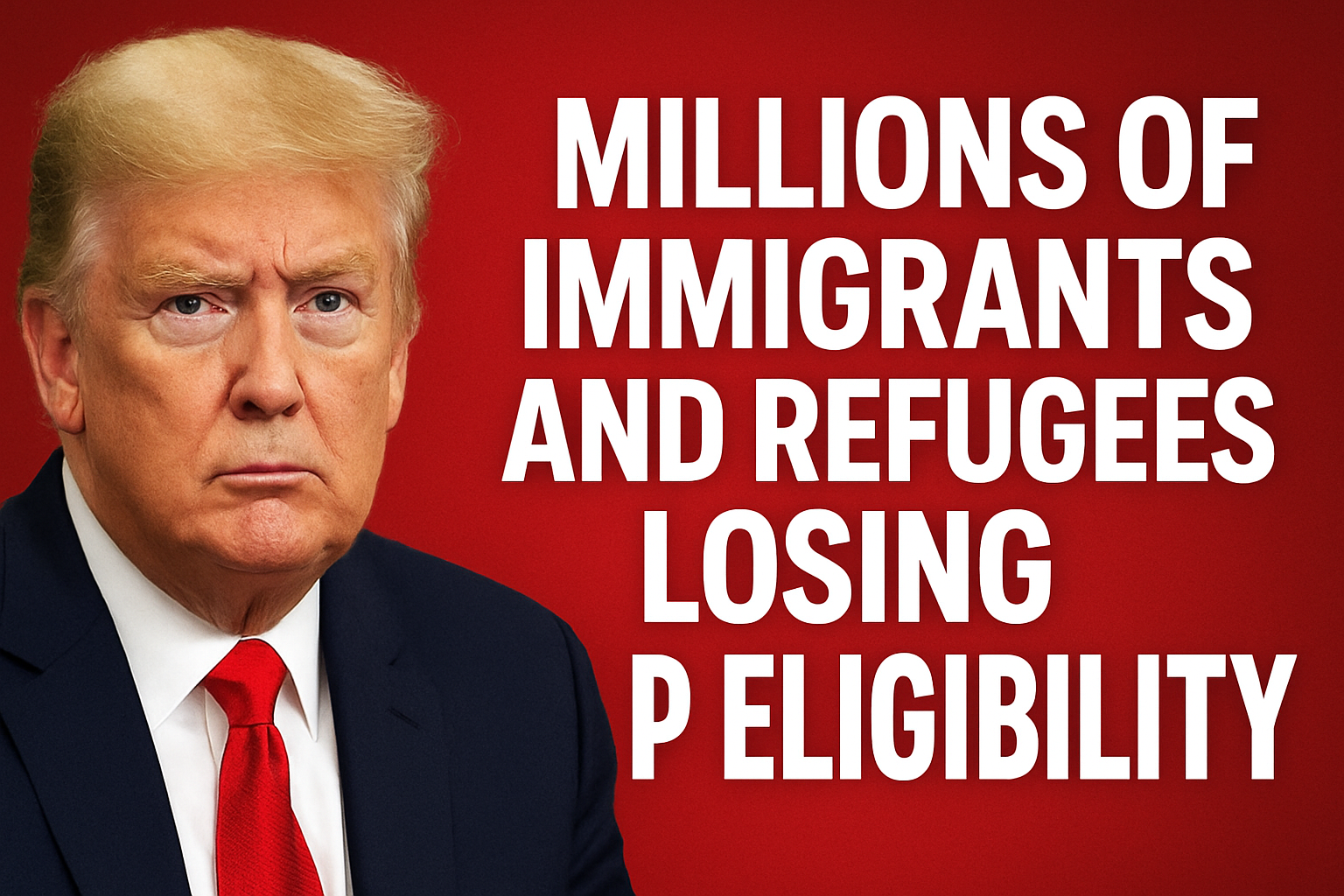
In 2025, significant changes have been enacted affecting the Supplemental Nutrition Assistance Program (SNAP) eligibility rules for immigrants, including refugees and lawful permanent residents (LPRs), also known as green card holders. These changes come as part of the federal “One Big Beautiful Bill” (OBBB) signed into law mid-2025, fundamentally tightening non-citizen eligibility for food assistance. This article provides a detailed overview of the new law barring many immigrants and refugees from SNAP benefits, updates on the longstanding five-year waiting period for LPRs, and the broader context and implications of these tightened rules effective November 2025.
Background: SNAP and Non-Citizen Eligibility
SNAP, commonly known as food stamps, is a critical federal program designed to alleviate hunger and improve food security among low-income individuals and families across the United States. Historically, SNAP eligibility has included certain groups of non-citizens, such as refugees, asylees, LPRs, certain humanitarian parolees, and citizens of Compact of Free Association nations.
Eligibility rules have often involved a five-year waiting period for LPRs, meaning lawful permanent residents typically cannot receive SNAP benefits until they have held this status for five years, barring certain exemptions. Refugees and asylees, however, have generally been exempt from this waiting period, ensuring access upon arrival or status grant.
Key Provisions of the New Law Affecting Immigrants and Refugees
The 2025 reconciliation legislation known as the One Big Beautiful Bill has introduced sweeping restrictions on SNAP eligibility for non-citizens in several ways:
- Exclusion for Most Refugees and Asylum Seekers: For the first time in decades, the new law bars most refugees, asylum seekers, trafficking victims, and other humanitarian visa holders from SNAP eligibility. This is a major departure from prior policy that allowed immediate access upon legal admission or asylum grant. It is estimated nearly 90,000 refugees and humanitarian entrants may lose SNAP monthly with full implementation.
- Five-Year Waiting Period Strictly Enforced and Expanded: The longstanding five-year waiting period for LPRs remains and is now being rigorously enforced nationwide. States must deny applications from LPRs who have not met the five-year bar unless they qualify for exemptions. Additionally, some states have reportedly started applying this waiting period more broadly, even to categories previously exempted erroneously.
- Reduced Categories of Eligible Non-Citizens: The law narrows SNAP eligibility to U.S. citizens, U.S. nationals, LPRs who have met the five-year waiting period, Cuban and Haitian entrants under specific parole statuses, and certain Pacific Island citizens under Compacts of Free Association. Other non-citizens previously eligible, such as many refugees and asylees, are excluded.
- Immediate Implementation for New Applicants and Recertifications: The new eligibility criteria took effect from November 1, 2025. All new SNAP applications from non-citizens must comply with the updated rules, and existing beneficiaries undergo eligibility review at recertification, potentially leading to benefit termination for those no longer eligible.
Understanding the Five-Year Waiting Period for Lawful Permanent Residents
LPRs, who have obtained permanent residency status, typically face a five-year bar before qualifying for SNAP benefits unless they meet specific exemptions such as being under 18, receiving disability benefits, or being elderly. The newly released guidance clarifies that the five-year countdown starts from the date the individual acquired LPR status, not from prior lawful presence or visa statuses.
The strict enforcement of this rule means individuals who become LPRs must plan accordingly for food assistance eligibility, as they cannot rely on immediate access to SNAP. Some advocacy groups have criticized the waiting period as arbitrary and punitive, but it remains a federal statutory requirement.
State and Federal Implementation Challenges
States have been instructed to update their eligibility systems promptly to reflect the new rules, leading to operational challenges and confusion. Some states reportedly began applying restrictive rules even before federal guidance was fully clear, resulting in premature denials for some refugee populations.
Recipients and advocacy organizations express concern about the sudden loss of support for vulnerable immigrants, especially refugee families and humanitarian entrants who arrive with limited resources and face barriers to employment. The loss of SNAP access compounds hardships related to food insecurity and integration.
Summary Table: SNAP Eligibility Changes for Immigrants and Refugees (2025)
| Category | Eligibility Status Before 2025 | Eligibility Status After Nov 1, 2025 |
|---|---|---|
| Refugees and Asylum Seekers | Eligible immediately upon status grant | Mostly ineligible unless specific exceptions apply |
| Lawful Permanent Residents (LPRs) | Eligible after 5-year waiting period (exceptions apply) | Still eligible after 5 years, stricter enforcement |
| Cuban and Haitian Entrants | Eligible immediately | Eligibility maintained |
| Citizens of Compacts of Free Association Nations | Eligible immediately | Eligibility maintained |
| Other Non-Citizens | Eligible if met criteria | Largely ineligible |
Implications for Immigrant Communities
The tightening of SNAP eligibility is expected to affect hundreds of thousands of immigrant and refugee families, resulting in increased hunger risk and reliance on emergency food aid and community support services. Advocates highlight the critical role of nutrition assistance in supporting healthy integration and economic self-sufficiency.
The new law also poses policy challenges for states and humanitarian organizations, necessitating expanded outreach, alternate support pathways, and legal assistance to navigate eligibility complexities.
Conclusion
The 2025 overhaul of SNAP non-citizen eligibility marks a profound policy shift, barring most refugees and humanitarian entrants from accessing food assistance and reinforcing the five-year waiting period for lawful permanent residents. Effective November 1, 2025, these changes require careful navigation by migrants, advocates, and state agencies to mitigate growing food insecurity risks.
While aimed at aligning benefits with legal status and contribution, the sharp curtailment of access for vulnerable immigrant populations faces criticism for potentially increasing hardship and undermining public health goals. Ongoing monitoring, legal clarity, and supportive interventions will be essential to balance fiscal priorities with humanitarian responsibilities.

Abhinav Jain is a legal researcher and writer passionate about simplifying complex laws for everyday readers. With a keen interest in Indian constitutional, civil, and digital laws, he focuses on creating accessible, well-researched articles that promote legal awareness among students, professionals, and citizens alike.