
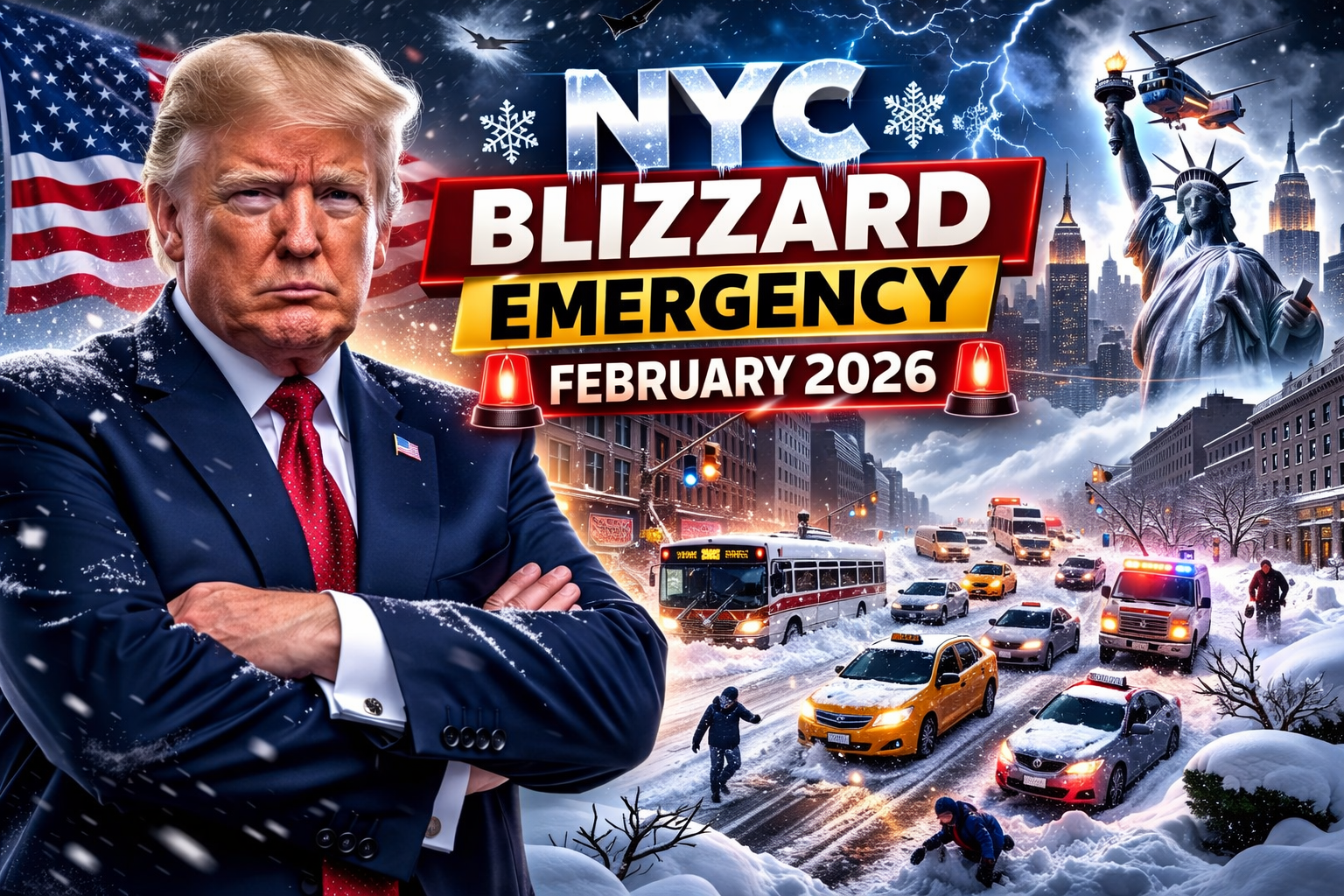
A historic blizzard struck the Northeast in late February 2026, paralyzing New York City and surrounding areas with record snowfall, fierce winds, and widespread disruptions. Dubbed Winter Storm Hernando, the nor’easter dumped up to two feet of snow, triggered massive power outages, and brought travel to a complete standstill, testing emergency responses across the region.
Storm Overview and Emergency Declarations
The blizzard roared through from February 22 to 24, delivering snowfall rates of two inches per hour combined with gusts exceeding 50 miles per hour. New York City Mayor Zohran Mamdani declared a local state of emergency, while Governor Kathy Hochul activated one statewide, mobilizing the National Guard and utility crews. Over 40 million people faced blizzard warnings, with the storm breaking accumulation records in parts of the metropolitan area.
This event marked one of the most severe winter storms in a decade, surpassing previous nor’easters in intensity. City agencies shifted into high gear, suspending non-essential services, closing public schools, and issuing hazardous travel advisories. The focus centered on protecting vulnerable populations, including the homeless, through outreach and new shelter beds.
Travel Disruptions Across NYC and Beyond
Ground Transportation Chaos
New York City banned all non-essential vehicle travel starting Sunday afternoon, extending through Monday evening to prioritize plows, salt trucks, and emergency responders. Streets turned into whiteout hazards, stranding motorists and overwhelming tow truck task forces. Alternate side parking rules vanished, but Sanitation Department crews pretreated roads and deployed at full capacity, yet snow depths crippled mobility.
Subways and buses faced delays from signal failures and platform accumulations, with the MTA urging riders to stay home. Bridges and tunnels, like the Holland and Lincoln, closed intermittently due to high winds and ice. Long Island and the Hudson Valley saw similar gridlock, with National Guard escorts aiding snow removal in hardest-hit zones.
Air Travel Paralysis
Airports from JFK to LaGuardia cancelled thousands of flights, stranding passengers nationwide. The FAA grounded operations amid visibility near zero, with ripple effects delaying cross-country routes for days. Amtrak suspended Northeast Corridor service, opting for bus bridges where feasible, while regional rails halted entirely.
| Transportation Mode | Key Disruptions | Recovery Timeline |
|---|---|---|
| Roads and Highways | Full travel ban; plows overwhelmed | 3-7 days for full clearance |
| Subways/Buses | Delays, partial shutdowns | 24-48 hours post-storm |
| Airports | 5,000+ cancellations | 2-4 days for normalization |
| Trains | Corridor-wide suspensions | 48 hours minimum |
| Bridges/Tunnels | Wind-related closures | Reopened in phases |
This table captures the scope, showing how interconnected systems amplified the chaos.
Power Outages: Scale and Hotspots
Widespread Blackouts Grip the Northeast
Tens of thousands lost power as wet, heavy snow snapped lines and toppled trees onto transformers. Con Edison and other utilities prepositioned over 5,600 workers, but gusty conditions delayed repairs. New York City proper saw scattered outages, but suburbs and rural areas fared worse, with some enduring days without electricity.
The storm’s bomb cyclone dynamics—rapid pressure drops fueling intensity—exacerbated downed power infrastructure. Emergency Operations Centers coordinated with the Division of Homeland Security, activating stockpiles for generators and aid. Temperatures plunging into the 20s with wind chills below zero heightened risks for those affected.
Northeast Power Outage Patterns
Outages clustered in coastal and elevated terrains where winds peaked. Long Island reported the densest blackouts, followed by Westchester and Nassau counties. Urban cores like Manhattan relied on underground lines for resilience, sparing most high-rises, though backup systems strained in hospitals and shelters.
Visualizing the footprint reveals stark divides:
- Highest Impact Zones: Long Island (over 100,000 customers dark), Lower Hudson Valley, parts of New Jersey.
- Moderate Hits: NYC boroughs (Queens, Brooklyn hardest), Connecticut shoreline.
- Spares: Manhattan core, inland upstate buffered by lighter snow.
Utility dashboards tracked real-time maps, showing outages peaking at midnight on Monday before gradual restoration. By Tuesday, half regained service, but full recovery stretched into the week’s end.
| Region | Peak Outages (Customers) | Primary Cause | Restoration Progress |
|---|---|---|---|
| NYC Boroughs | 50,000 | Tree falls | 70% by Feb 24 |
| Long Island | 120,000 | Wind-downed lines | 40% by Feb 24 |
| Hudson Valley | 80,000 | Heavy snow load | 55% by Feb 24 |
| New Jersey | 90,000 | Coastal gusts | 60% by Feb 24 |
| Connecticut | 60,000 | Bomb cyclone surge | 50% by Feb 24 |
These stats highlight disparities, with suburban grids more vulnerable than city networks.
Emergency Response and Preparedness Measures
City and State Mobilization
NYC Emergency Management activated its Winter Weather Plan, staffing situation rooms and issuing impact summaries hourly. NYPD Highway Patrol escorted plows, while EMS added chains to ambulances and extra personnel. The Tow Truck Task Force staged vehicles citywide, and Downed Trees units stood ready for cleanup.
Governor Hochul’s proclamation covered 20+ counties, deploying 100 National Guard members for welfare checks and debris clearance. FEMA assured continuity despite funding hiccups, focusing on critical aid. Mayor Mamdani’s team paid residents $30 per hour to shovel bus stops and crosswalks, earning praise for community involvement.
Protecting Vulnerable Groups
Lessons from a prior cold snap informed tactics—no outdoor fatalities reported among the homeless. Outreach workers delivered supplies via ambulettes, offering transport to warmed buses, schools, and overdose prevention sites. Encampments faced preemptive clearances, balancing compassion with safety.
Fire departments deployed thawing gear, and hospitals ran on generators. Social media buzzed with shovel-for-pay positivity, though meteorologists warned of a week-long dig-out.
Impacts on Daily Life and Economy
Urban Life Upended
Schools shuttered for a snow day, city offices closed to the public, and remote work surged where power held. Grocery runs preempted the storm, but post-blizzard shortages hit perishables. Small businesses tallied losses from closures, while delivery services pivoted to sleds and snowshoes in jest.
The storm spared lives but strained resources—overtime for crews, fuel for generators. No major structural collapses marred the event, crediting resilient infrastructure upgrades post-Sandy.
Economic Toll Snapshot
Direct costs mounted from plowing ($ millions daily), flight refunds, and spoiled inventory. Insurers braced for claims on vehicles buried under drifts. Tourism dipped, but hardware stores boomed selling shovels and salt. Long-term, the blizzard underscored climate volatility’s economic bite.
| Impact Category | Estimated Short-Term Cost | Affected Sectors |
|---|---|---|
| Cleanup/Plowing | High | Sanitation, Contracts |
| Flight Cancellations | Very High | Airlines, Tourism |
| Power Restoration | Medium-High | Utilities |
| Business Losses | Medium | Retail, Hospitality |
| Aid Distribution | Low-Medium | Non-Profits, Gov |
Recovery funding flowed via state emergency funds, minimizing federal dependency.
Recovery Efforts and Lessons Learned
Phased Reopening
By Tuesday, February 24, travel bans lifted selectively as plows gained ground. Airports eyed afternoon restarts, trains tested tracks. Utilities prioritized hospitals, then residences, with apps mapping progress. Residents heeded calls to check on neighbors, fostering community resilience.
Meteorologists predicted no immediate follow-ups, but warming trends aided melt-off, risking floods in low areas.
Forward-Looking Adjustments
The blizzard exposed grid frailties, spurring calls for buried lines and smart tech. Outreach expansions for the unhoused set new benchmarks. Policymakers eyed insurance hikes and infrastructure bills, framing the event as a wake-up on nor’easter ferocity.

Abhinav Jain is a legal researcher and writer passionate about simplifying complex laws for everyday readers. With a keen interest in Indian constitutional, civil, and digital laws, he focuses on creating accessible, well-researched articles that promote legal awareness among students, professionals, and citizens alike.