
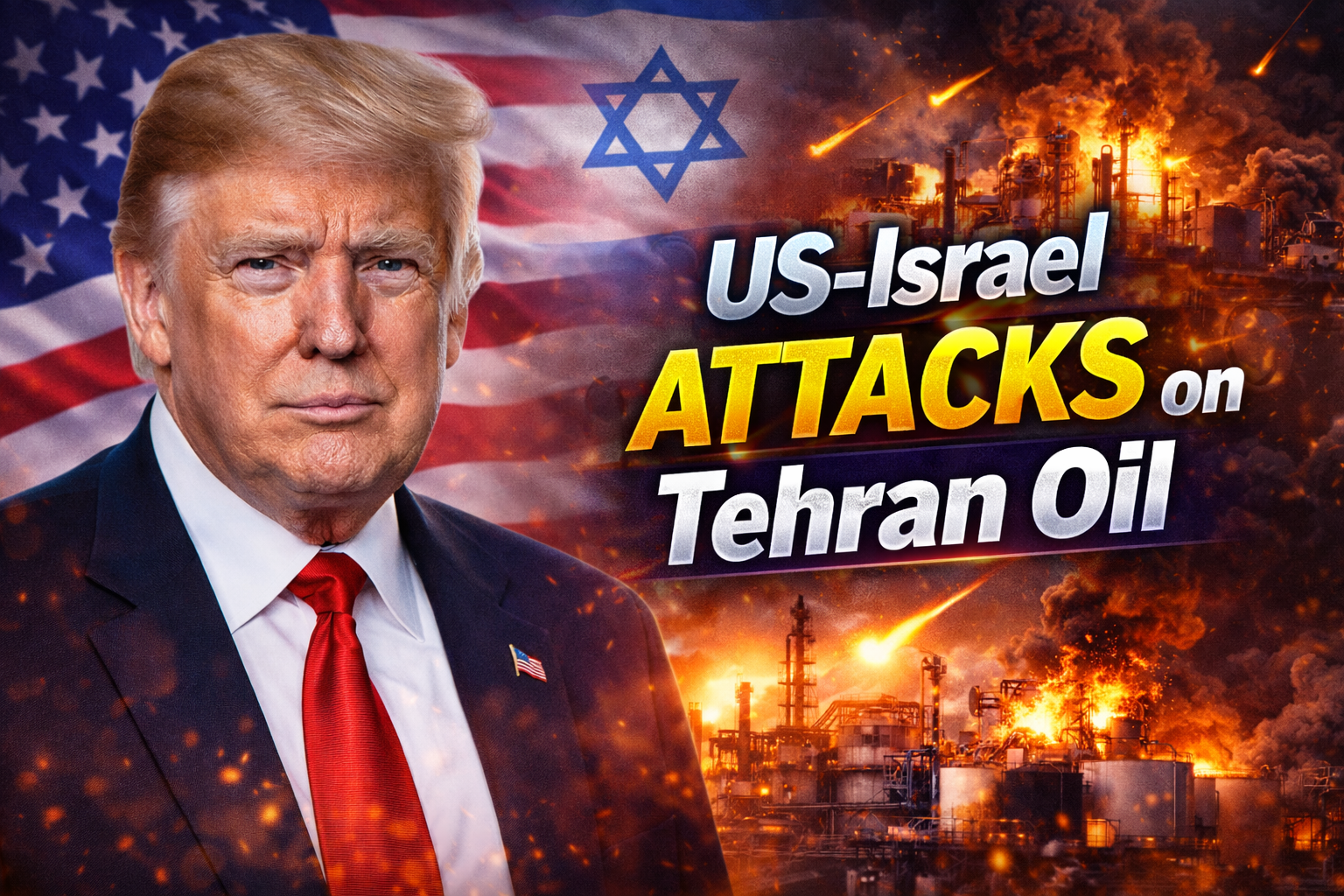
The recent strikes by the United States and Israel on Tehran’s key oil facilities mark a dangerous turning point in the escalating conflict with Iran. As flames engulf storage depots and refineries, the world watches nervously while energy prices surge amid fears of widespread supply disruptions.
Introduction
Tensions in the Middle East have long simmered, but the past week’s events have ignited a full-scale crisis. Coordinated airstrikes targeted critical oil infrastructure around Iran’s capital, sending shockwaves through global markets. These actions follow a series of retaliatory exchanges, including Iranian drone and missile barrages on U.S. bases and Gulf allies. With the Strait of Hormuz under threat, economies worldwide brace for the fallout from this bold escalation.
Iran’s leadership vows severe repercussions, while Western powers justify the moves as necessary to neutralize threats. The human cost mounts, with reports of civilian casualties near the blast sites, and diplomatic channels appear frozen. This article delves into the timeline, strategic aims, immediate consequences, and broader implications for energy security.
Background of the Conflict
Roots in Regional Rivalries
The current war traces back to heightened proxy battles across the region. Iran’s support for groups like Hezbollah and its nuclear ambitions have clashed repeatedly with Israeli security concerns and U.S. containment policies. Strikes began earlier this month with precision hits on military targets, but the focus has shifted to economic lifelines—oil assets that fund Tehran’s operations.
Past incidents, such as attacks on shipping lanes and assassinations of key figures, set the stage. Iran’s closure of the Strait of Hormuz amplified fears, choking a vital artery for global trade. Now, with Tehran’s oil heart struck, the conflict enters a resource-war phase.
Key Players Involved
The U.S. provides air support and intelligence, leveraging bases in the Gulf. Israel leads the charge with its advanced fighter jets, executing massive sorties deep into Iranian territory. On the other side, Iran deploys asymmetric tactics—drones, missiles, and allied militias—targeting Saudi refineries, UAE ports, and even Cypriot bases.
Gulf states like Qatar and Saudi Arabia find themselves drawn in, facing Iranian reprisals despite neutrality pleas. International bodies, including the UN, urge de-escalation, but veto powers stall resolutions.
Details of the Attacks
Targets and Execution
U.S. and Israeli forces zeroed in on Tehran’s sprawling oil depots and refining complexes. Massive explosions lit up the night sky, with fires raging for days and forcing evacuations across the capital. These sites process millions of barrels daily, serving both domestic needs and export markets.
The operation involved hundreds of aircraft, overwhelming Iran’s air defenses. Strikes also hit Bushehr’s port and naval assets in the Gulf of Oman, crippling Iran’s ability to project power at sea. No nuclear facilities were confirmed damaged, averting that red line for now.
Iranian Response
Tehran retaliated swiftly, launching waves of ballistic missiles at Al Udeid Air Base in Qatar and Aramco facilities in Saudi Arabia. Drones swarmed civilian airports in Kuwait and the UAE, grounding flights and halting trade. Hezbollah joined from Lebanon, firing rockets into Israel.
Iran’s missile stocks show signs of strain, with launch rates dropping as supplies dwindle. Still, threats to mine the Strait of Hormuz persist, prompting naval escorts for tankers.
Impact on Iran’s Oil Sector
Damage Assessment
Tehran’s oil infrastructure lies in ruins. Major depots holding crude reserves are ablaze, with refining capacity slashed by over half. Production at nearby fields has halted due to security fears, cutting output by several million barrels per day.
Satellite imagery reveals scorched earth around key pipelines, complicating repairs amid ongoing hostilities. Iran’s export terminals face repeated hits, stranding loaded supertankers.
Economic Toll on Iran
The strikes exacerbate Iran’s woes under sanctions. Oil revenues, which fund nearly half the budget, have plummeted. Inflation soars as fuel shortages grip cities, sparking protests despite government crackdowns.
Rebuilding could take years, forcing reliance on allies like Russia and China for aid. Black-market smuggling ramps up, but at reduced volumes.
Global Energy Market Reactions
Oil Price Surge
Brent crude has spiked dramatically, climbing past historic highs as traders price in prolonged disruptions. The Strait of Hormuz, handling one-fifth of world oil, sees traffic grind to a halt. Gas prices at pumps worldwide jump, hitting consumers hard.
| Market Indicator | Pre-Strike Level | Current Level | Change |
|---|---|---|---|
| Brent Crude (per barrel) | $75 | $150+ | +100% |
| WTI Crude (per barrel) | $70 | $145 | +107% |
| Global Oil Inventories (million barrels) | 4,200 | 3,800 | -10% |
| LNG Spot Prices (per MMBtu) | $12 | $35 | +192% |
This table highlights the volatility, with natural gas following suit due to linked supply chains.
Ripple Effects Across Sectors
Shipping costs explode as insurers hike premiums for Gulf routes. Airlines ground fleets, and manufacturing slows from energy crunches. Europe, weaning off Russian gas, scrambles for alternatives, boosting U.S. LNG exports.
Asian economies, heavy importers, face stagflation risks. Stock markets tumble, with energy firms gaining while airlines and chemicals plummet.
Strategic Implications
Military Calculus
The attacks degrade Iran’s retaliatory options, destroying warships and missile launchers. Israel mobilizes tens of thousands of reservists, signaling readiness for ground threats. U.S. forces evacuate non-essentials from exposed bases.
Iran shifts to guerrilla tactics, preserving assets for a long haul. Allies like Yemen’s Houthis intensify Red Sea harassment, stretching Western navies.
Geopolitical Shifts
Russia and China condemn the strikes, offering Iran military tech. Gulf monarchies quietly back the U.S.-Israel axis, fearing Tehran’s dominance. Turkey plays both sides, hosting talks while arming proxies.
The UN Security Council deadlocks, with calls for ceasefires ignored. UNESCO decries damage to heritage sites near strike zones.
Broader Economic Consequences
Inflation and Recession Fears
Central banks hike rates to combat imported inflation from energy shocks. Consumer spending dips as heating and transport costs soar. Food prices rise with fertilizer and shipping disruptions.
Emerging markets suffer most, with currency crashes in oil-dependent nations. Supply chains fracture, echoing pandemic-era chaos.
Opportunities Amid Crisis
Renewable energy stocks rally as governments fast-track green transitions. U.S. shale producers ramp output, filling gaps. Long-term, higher prices spur efficiency and exploration elsewhere.
Humanitarian and Environmental Fallout
Civilian areas near oil sites suffer toxic smoke plumes, raising health alarms. Displaced families overwhelm Tehran’s shelters, straining resources. Water contamination from spills threatens the Persian Gulf ecosystem.
Aid convoys face attacks, complicating relief. Long-term cancer risks loom from fallout.
Path Forward
Diplomatic Hurdles
Backchannel talks via Oman falter amid hardline rhetoric. Iran demands full withdrawal; the U.S. insists on nuclear curbs. Sanctions relief dangles as a carrot, but trust evaporates.
Regional summits exclude Iran, isolating Tehran further. Proxy de-escalation could open doors.
Scenarios Ahead
- Protracted Stalemate: Low-level strikes continue, with oil above $120 for months.
- Regime Change: Internal unrest topples hardliners, easing tensions.
- Wider War: Full Gulf involvement spikes prices to $200+, triggering recession.
Conclusion
The Tehran oil strikes propel the U.S.-Israel-Iran war into uncharted territory, with energy markets as the primary battlefield. Global economies teeter on the brink, demanding urgent stabilization. As superpowers maneuver, the true cost—human and economic—mounts relentlessly. Stakeholders must prioritize dialogue to avert catastrophe, but with tempers flaring, the road to peace remains fraught.

Abhinav Jain is a legal researcher and writer passionate about simplifying complex laws for everyday readers. With a keen interest in Indian constitutional, civil, and digital laws, he focuses on creating accessible, well-researched articles that promote legal awareness among students, professionals, and citizens alike.