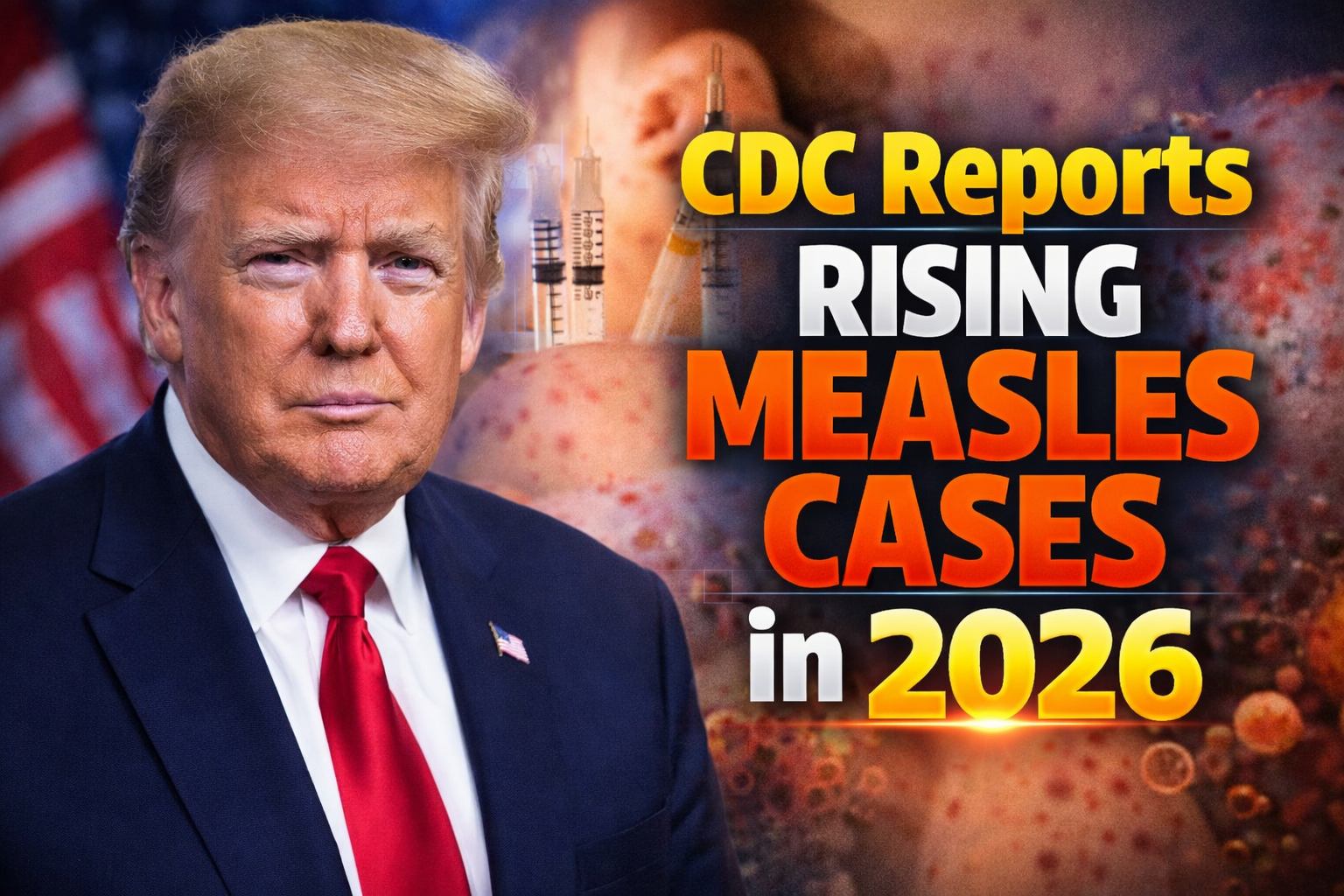
A highly contagious virus is making a alarming comeback in communities across the country. Just a couple of months into the year, health officials are reporting a sharp increase in measles cases, far surpassing totals from recent years. This surge coincides with growing hesitancy toward the MMR vaccine, leaving parents and caregivers on high alert for early warning signs in their children.
As vaccination rates dip below critical levels, outbreaks are spreading rapidly, particularly in under-vaccinated pockets. Public health experts emphasize that timely awareness and action can prevent further escalation. This article explores the current crisis, its root causes, symptoms to watch for, and steps families can take to protect themselves.
The Measles Surge Unfolds
Current Case Statistics
Health authorities have confirmed a significant number of measles infections early this year, outpacing the entire previous year’s total by a wide margin. Most cases involve unvaccinated individuals or those with unknown vaccination status, highlighting vulnerabilities in community immunity.
Outbreaks are occurring in multiple states, affecting people of all ages but hitting young children hardest. Here’s a breakdown of recent case demographics based on reported data:
| Age Group | Percentage of Cases |
|---|---|
| Under 5 years | Around a quarter |
| 5-19 years | Over half |
| 20+ years | Roughly one-fifth |
| Unknown | Minimal |
This distribution underscores the risks in school settings and households where vaccination gaps exist. International travel and imported cases are fueling domestic spread, as the virus easily crosses borders.
Year-Over-Year Comparison
Last year marked the highest measles activity in decades, yet this year’s pace suggests even greater challenges ahead. Declining kindergarten vaccination coverage—from highs above the immunity threshold to lower levels—has left hundreds of thousands of children susceptible.
Regional alerts from organizations like PAHO point to similar trends across the Americas, with vaccination rates hovering well below the level needed to halt transmission. Only a minority of areas meet the target for both doses, creating fertile ground for outbreaks.
Why Vaccine Confidence is Waning
Factors Driving Hesitancy
Misinformation spreads faster than the virus itself in the digital age. Social media amplifies unfounded claims about vaccine safety, despite decades of evidence proving the MMR shot’s effectiveness and minimal risks.
Parental concerns often stem from rare side effects or debunked studies linking vaccines to other conditions. Community or religious exemptions have also risen, particularly in tight-knit groups where herd immunity falters first.
Vaccination Coverage Trends
Efforts to achieve widespread protection require over nine out of ten people immunized in a community. Recent school-year data shows a troubling slide, endangering not just individuals but entire populations through lost herd immunity.
| School Year Period | MMR Coverage Rate |
|---|---|
| 2019-2020 | Peak levels |
| 2024-2025 | Notable decline |
This gap translates to millions of vulnerable children regionally, urging renewed campaigns to boost uptake.
Understanding Measles and Its Impact
What is Measles?
Measles is a respiratory virus that spreads through airborne droplets from coughs or sneezes. One infected person can expose up to eighteen others in a susceptible group, making it far more contagious than many common illnesses.
Complications arise in about one in five cases, including pneumonia, brain inflammation, or even death, especially among the very young, elderly, or immunocompromised. Long-term effects like subacute sclerosing panencephalitis can emerge years later.
Vaccine Effectiveness Explained
The MMR vaccine stands as a cornerstone of prevention. A single dose offers strong defense, while the recommended two-dose series provides near-complete protection for most recipients.
Breakthrough infections remain rare, even in outbreak zones, affirming the shot’s reliability. Public health bodies universally endorse it as safe, with benefits vastly outweighing any transient mild reactions like fever or rash.
Recognizing Symptoms: A Parent’s Guide
Early Warning Signs
Parents should stay vigilant for the telltale rash that starts on the face and spreads downward, often preceded by high fever, cough, runny nose, and red eyes. White spots inside the mouth, known as Koplik’s spots, signal imminent rash appearance.
Symptoms typically emerge ten to fourteen days after exposure, with the contagious period stretching from days before the rash until four days after. Isolation at the first sign prevents community spread.
Progression and Severity
The illness unfolds in stages: initial flu-like discomfort escalates to the characteristic blotchy rash lasting about a week. Dehydration from diarrhea or severe coughing can worsen outcomes, particularly in malnourished kids.
Seek immediate medical care if breathing troubles, persistent seizures, or extreme lethargy appear—these red flags demand urgent intervention.
| Symptom Stage | Duration | Key Indicators |
|---|---|---|
| Prodromal (Pre-rash) | 2-4 days | Fever, “3 Cs” (cough, coryza, conjunctivitis) |
| Rash | 3-5 days | Red-brown spots, itching possible |
| Recovery | 7-10 days total | Fatigue lingers |
Outbreak Hotspots and Spread Patterns
Domestic Hotspots
Cases are popping up in over twenty states, clustered in urban areas with low vaccination pockets. Schools, daycares, and travel hubs serve as amplification points, where unvaccinated travelers import the virus.
Young people under twenty account for the bulk, many lacking even one dose. Health departments are mobilizing contact tracing and pop-up clinics to contain clusters.
Global Context
Measles knows no borders, with surges in Europe, Asia, and the Americas stoking U.S. risks. Travelers returning from affected regions spark most initial outbreaks here, underscoring the need for pre-trip boosters.
Prevention Strategies for Families
Vaccination Best Practices
Health experts urge two MMR doses: the first around a child’s first birthday, the second before school entry. Adults unsure of status should get a blood test or simply revaccinate—it’s low-risk and highly protective.
Catch-up campaigns target underserved areas, offering free shots at pharmacies and clinics. Pregnant individuals and those with allergies consult providers for alternatives.
Beyond Vaccines: Daily Precautions
In outbreak zones, mask up in crowds, avoid sharing utensils, and quarantine exposed unvaccinated kids for three weeks. Handwashing and ventilation curb secondary spread.
Community education combats myths—transparent talks from trusted doctors rebuild trust faster than mandates.
Public Health Response and Recommendations
Official Actions
Agencies are issuing alerts, ramping up surveillance, and partnering with schools for compliance checks. Targeted vaccinations aim to close immunity gaps swiftly.
Federal guidance stresses maintaining detailed immunization records and reporting exposures promptly.
Long-Term Solutions
Reversing hesitancy demands multifaceted approaches: school programs, influencer partnerships, and research into next-gen vaccines. Sustained high coverage remains the ultimate shield.
Protecting Vulnerable Populations
Infants too young for shots rely on surrounding immunity. Immunocompromised patients and the elderly face highest risks, prompting caregiver prioritization.
Travel advisories warn against non-immune visits to endemic areas—check status via health apps or providers before booking.
The Path Forward
This measles uptick serves as a wake-up call amid eroding vaccine trust. Swift parental action—recognizing symptoms early and verifying vaccinations—can blunt the wave.
Empowering communities with facts fosters resilience. By recommitting to proven tools like MMR, we safeguard tomorrow’s health today.

Abhinav Jain is a legal researcher and writer passionate about simplifying complex laws for everyday readers. With a keen interest in Indian constitutional, civil, and digital laws, he focuses on creating accessible, well-researched articles that promote legal awareness among students, professionals, and citizens alike.