
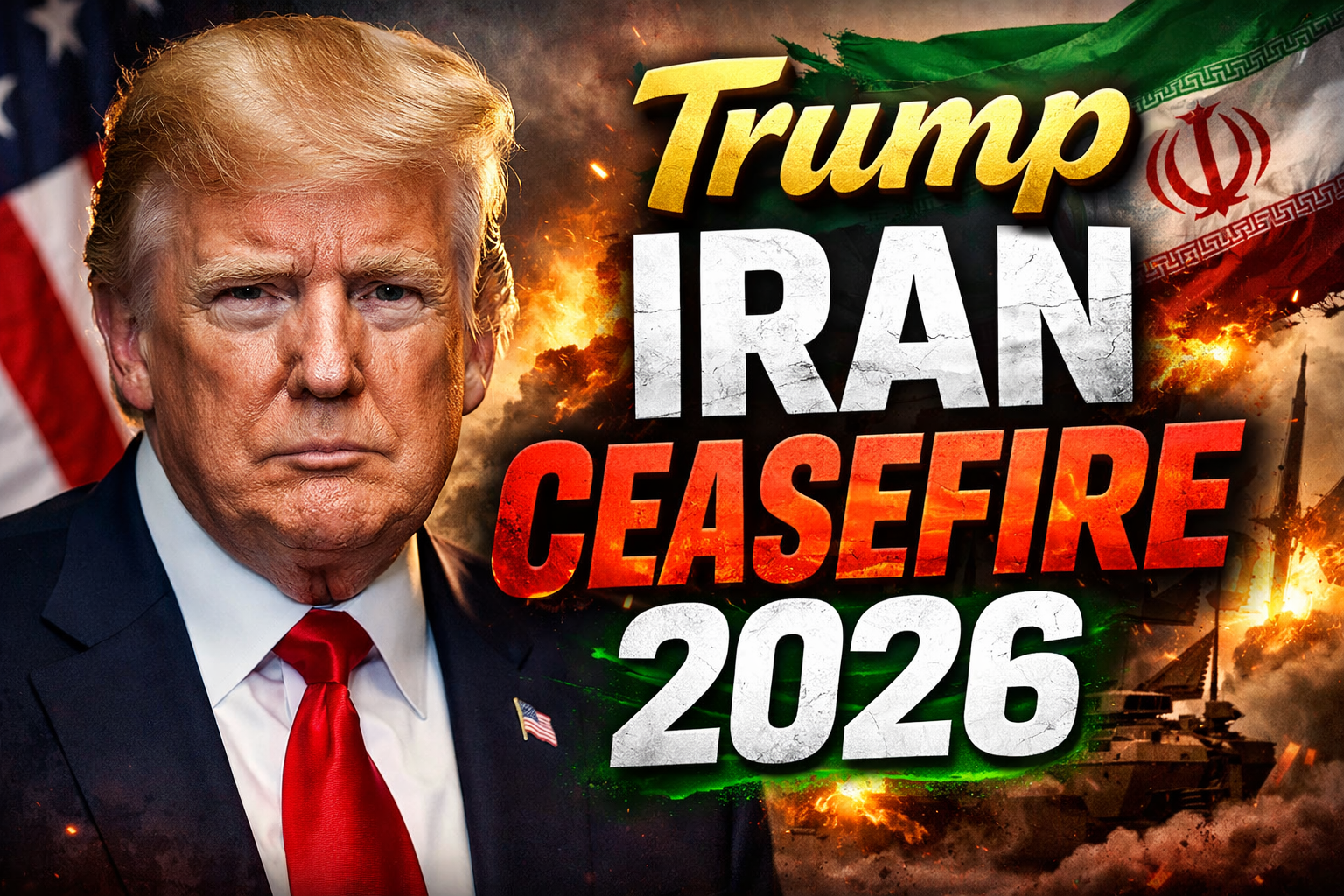
In the spring of 2026, the front pages of global newspapers were dominated by a tense moment in the Persian Gulf: the Strait of Hormuz, key artery for nearly a fifth of the world’s traded oil, abruptly reopened to commercial traffic. This came after weeks of closures and military brinkmanship between Iran and a United States administration led once again by President Donald Trump. The reopening was officially framed as a result of a fragile ceasefire agreement, but behind the scenes, a major US‑led naval blockade continued to squeeze Iran’s ports, creating a paradoxical situation where oil tankers could transit the Strait, yet Iranian exports remained heavily constrained.
The move was not just symbolic; it reflected a recalibration of strategy in Washington. The Trump administration, seeking to pressure Tehran without triggering a full‑scale regional war, began to lean on a mix of military presence, diplomatic theatrics, and economic coercion. The Strait’s reopening signaled a temporary easing of the immediate crisis, but it did nothing to erase the underlying hostility that had brought the region to the brink.
The US‑Imposed Naval Blockade on Iran
At the heart of the current standoff is the US naval blockade targeting Iranian ports. Announced in mid‑April 2026, the blockade was presented as a calibrated response to the failed Islamabad‑mediated talks that had aimed to end the 2026 Iran war. The United States Central Command declared that the blockade would apply to the entire Iranian coastline, warning that any vessel entering or exiting Iranian ports without authorization could be intercepted, diverted, or even seized.
The blockade’s economic impact on Iran has been immediate and severe. Iranian officials and independent analysts estimate that Tehran is losing hundreds of millions of dollars in daily revenue as exports of crude oil, refined products, and gas are cut off. Ships that previously carried Iranian cargo now sit idle or reroute to other hubs, while Iranian refineries struggle to find stability in a volatile market. The United States, in turn, has argued that the blockade is a necessary tool to bring Iran to the negotiating table and to prevent the diversion of Iranian oil revenues to military and regional proxy operations.
What makes this blockade particularly striking is its precision. The US has insisted that the measures are limited to ships traveling to or from Iran, allowing neutral or third‑country tankers to pass through the Strait of Hormuz without interference. This distinction is crucial, as it aims to minimize the blow to global energy markets while still applying maximum pressure on Tehran.
The Strait of Hormuz Reopens: What It Means
On April 17, 2026, Iranian authorities announced that the Strait of Hormuz was fully open to commercial vessels. This pronouncement followed days of uncertainty, during which Iran had intermittently restricted or threatened to close the waterway in response to US military movements and economic pressure. The reopening was met with cautious optimism from shipping companies, energy traders, and governments that depend on uninterrupted oil flows from the Persian Gulf.
The Strait of Hormuz remains one of the world’s most critical chokepoints. It connects Gulf producers such as Saudi Arabia, the United Arab Emirates, Kuwait, and Iraq with global markets via the Arabian Sea and the Indian Ocean. More than a fifth of global seaborne oil passes through this narrow waterway, along with large volumes of liquefied natural gas. Any disruption here can send shockwaves through fuel prices worldwide.
The reopening does not, however, mean a return to business as usual. Iranian officials have made it clear that the current openness is conditional. They have warned that the Strait could be closed again if the US maintains its blockade on Iranian ships and ports. This creates a delicate balance: global markets can draw a breath of relief, but the underlying threat of sudden closure remains.
The Trump Administration’s Strategy and Stance
The Trump administration’s approach to the Iran crisis is marked by a blend of hardline rhetoric and selective diplomacy. President Trump has repeatedly emphasized that the blockade is here to stay unless Iran meets a series of specific demands. These include a permanent end to hostilities, guarantees on Iran’s nuclear program, and the cessation of support for regional proxies. Trump has also suggested that any extension of the current ceasefire depends on the progress of these negotiations.
The administration’s strategy is two‑pronged. On one hand, the US maintains a visible military presence in the Gulf, including aircraft carriers, destroyers, and surveillance assets. On the other hand, Washington has opened back‑channel talks with Iranian officials, even as public statements remain tough. The goal is to present Iran with a stark choice: either accept a negotiated settlement on US‑friendly terms or face continued economic isolation and military pressure.
Trump’s language has been particularly pointed when it comes to the Strait of Hormuz. He has dismissed Iranian claims that their reopening of the Strait is a concession, insisting that the US blockade remains firmly in place. This framing is designed to underscore American leverage, but it also raises the risk of miscalculation. Iranian leaders may interpret US intransigence as a sign that diplomacy is fruitless, potentially pushing them toward more aggressive measures.
The Ceasefire’s Fragile Architecture
The current ceasefire between the United States and Iran is built on a fragile foundation. Negotiations in Islamabad earlier in April 2026 had produced a draft proposal for a two‑phase agreement, but Iran ultimately rejected the framework. Instead, Tehran put forward its own 10‑point plan, which included demands for non‑aggression guarantees, recognition of Iran’s nuclear enrichment program, and the lifting of all sanctions. The US responded with skepticism, viewing many of these points as non‑starters.
Despite the lack of a formal, comprehensive peace deal, both sides have observed a temporary halt in hostilities. The ceasefire has not been entirely pristine—there have been reports of minor violations and skirmishes along the periphery—but the most intense fighting has subsided. The reopening of the Strait of Hormuz is widely seen as a confidence‑building measure, an attempt to demonstrate that both sides can cooperate on issues of mutual interest, even as core disagreements remain unresolved.
The architecture of the ceasefire is intentionally vague. It is not a permanent peace treaty, but rather a pause that allows for further negotiations. The two‑week window initially envisioned by mediators has already passed, and the situation now depends on the goodwill of both parties and the willingness of regional and international actors to keep the dialogue alive.
Global Economic Implications
The reopening of the Strait of Hormuz has significant implications for the global economy. In the short term, the move has helped to stabilize oil prices, which had spiked during the weeks of uncertainty. Energy markets have responded positively to the prospect of uninterrupted flows, and major oil‑trading hubs have reported increased activity as traders adjust their positions.
However, the long‑term outlook remains uncertain. The ongoing US naval blockade continues to constrain Iran’s ability to export oil, which means that global supply is not fully restored. Iranian crude, once a major component of global markets, remains largely sidelined. This has created space for other producers to increase output, but it has also led to concerns about over‑reliance on a smaller number of suppliers.
The blockade also has ripple effects beyond the energy sector. Iranian imports of goods and technologies have been disrupted, affecting everything from manufacturing to consumer markets. Iranian businesses report shortages of essential supplies, while ordinary Iranians face higher prices and reduced availability of foreign‑made products. The economic strain is mounting, and there are fears that it could lead to social unrest if the situation persists.
Regional and Geopolitical Ramifications
The Strait of Hormuz reopening and the US naval blockade are not isolated events; they are part of a broader regional and geopolitical landscape. The Middle East remains a powder keg, with multiple conflicts and rivalries intersecting in complex ways. The ceasefire between the US and Iran has implications for countries such as Israel, Saudi Arabia, and the Gulf states, all of which have a vested interest in the stability of the Persian Gulf.
Israel, in particular, has been closely watching the developments. The US‑brokered ceasefire between Israel and Lebanon, which preceded the Iran‑related talks, has created a temporary reduction in tensions along Lebanon’s southern border. However, Israeli officials remain wary of Iranian influence in the region and have expressed concerns about the possibility of renewed hostilities if the current ceasefire collapses.
Saudi Arabia and other Gulf Cooperation Council members are also affected. These countries depend on the Strait of Hormuz for their own exports, and any disruption here could threaten their economic security. At the same time, they welcome the US pressure on Iran, seeing it as a way to counter Tehran’s regional ambitions. The reopening of the Strait is a relief, but Gulf leaders are under no illusion that the underlying tensions have been resolved.
The Human Cost of the Conflict
Beyond the strategic and economic calculations, the conflict has taken a heavy human toll. Iranian civilians have borne the brunt of the economic blockade, with rising prices, shortages of essential goods, and limitations on access to international financial systems. The threat of renewed military action hangs over communities near the Strait, where the sound of naval movements and the sight of warships have become a grim part of daily life.
The situation is equally dire for those caught in the wider regional conflicts. In Lebanon, for example, tens of thousands of people displaced by Israeli attacks have begun to return home in the wake of the ceasefire, but they face the challenge of rebuilding lives devastated by violence. Across the region, the human cost of the Iran‑US standoff is measured not just in deaths and injuries, but in broken families, lost livelihoods, and shattered communities.
The Road Ahead: Challenges and Possibilities
The road ahead for the Trump‑Iran ceasefire of 2026 is fraught with challenges. The reopening of the Strait of Hormuz is a positive development, but it does not resolve the fundamental issues that brought the two countries to the brink. The US naval blockade remains in place, and Iran continues to demand significant concessions from Washington. The risk of miscalculation or escalation is ever‑present, and the fragile ceasefire could unravel at any moment.
At the same time, there are glimmers of possibility. The fact that both sides have agreed to a temporary halt in hostilities, even if it is incomplete, suggests that there is some common ground. Diplomats and mediators are working to build on this momentum, seeking ways to translate the current ceasefire into a more durable peace agreement. The international community, including regional powers and major global actors, has a vested interest in preventing a full‑scale war in the Persian Gulf.
The outcome will depend on a delicate balancing act. Washington must weigh the benefits of continued pressure against the risks of pushing Iran too far. Tehran must decide whether to accept the terms on offer or to dig in and risk further isolation. The Strait of Hormuz may be open for now, but the future of the region remains uncertain.

Abhinav Jain is a legal researcher and writer passionate about simplifying complex laws for everyday readers. With a keen interest in Indian constitutional, civil, and digital laws, he focuses on creating accessible, well-researched articles that promote legal awareness among students, professionals, and citizens alike.