
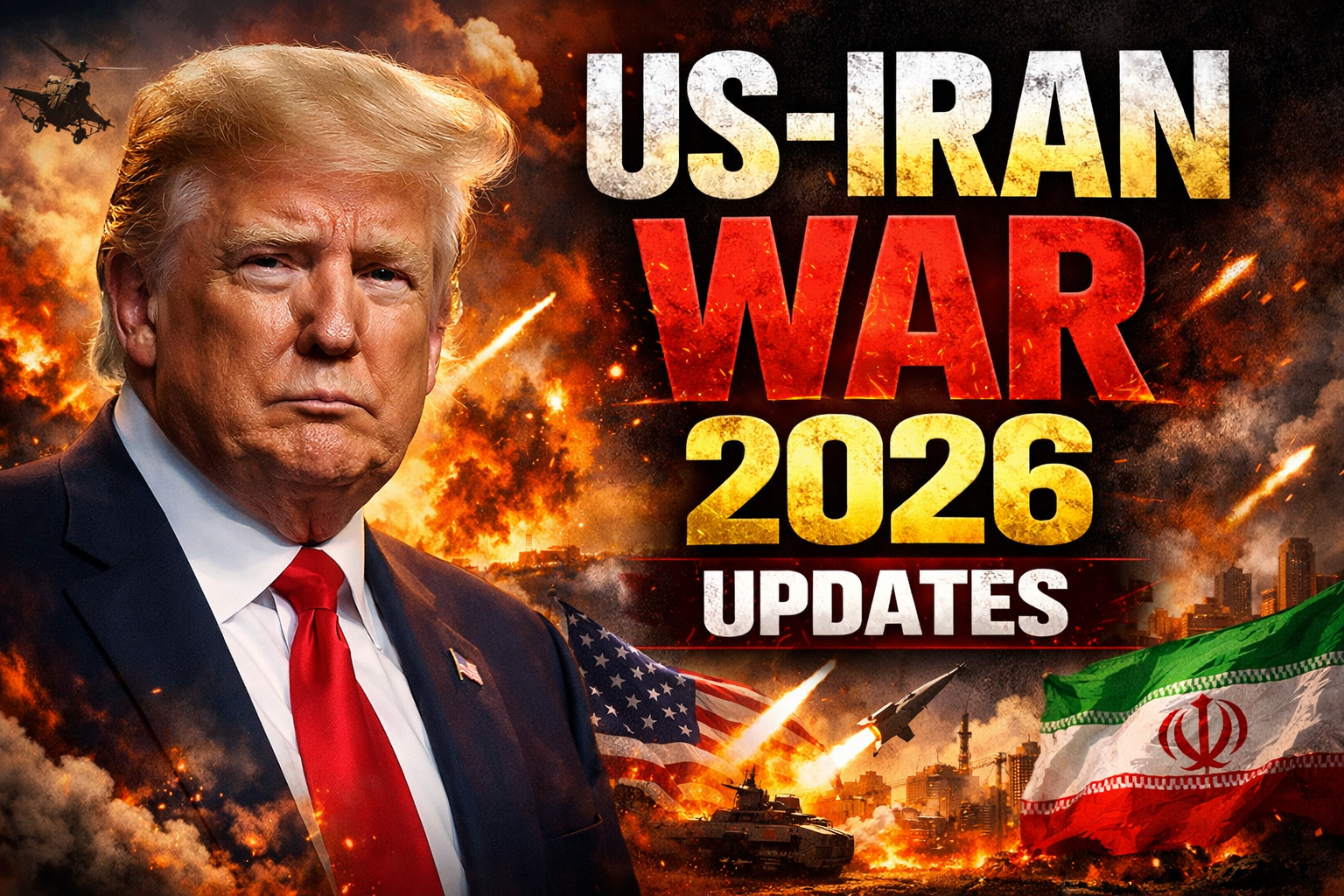
The United States has launched a bold military campaign against Iran, dubbed Operation Epic Fury, marking a dramatic escalation in long-simmering tensions. President Donald Trump, now in his second term, has declared early victories, but retaliatory strikes and surging oil prices signal a volatile path ahead for the Middle East and global economy.
Operation Epic Fury Unleashed
Operation Epic Fury kicked off in late February as a joint U.S.-Israel effort to neutralize Iran’s nuclear ambitions and missile capabilities. The strikes targeted key facilities in Tehran and beyond, aiming to dismantle what American leaders called an imminent threat to global security. Precision airstrikes hit underground enrichment sites, ballistic missile silos, and command centers, coordinated with Israeli forces under their parallel operation.
This campaign stems from years of failed diplomacy, including stalled nuclear talks and Iran’s support for proxy militias across the region. Trump framed it as a preemptive necessity, insisting Iran was poised for its own attack. U.S. forces, bolstered by carrier strike groups in the Persian Gulf, delivered overwhelming firepower while minimizing ground involvement.
Early reports indicate significant degradation of Iran’s air defenses and naval assets. Fighter jets and drones overwhelmed radar systems, paving the way for follow-up waves. The operation’s name evokes unrelenting force, reflecting Trump’s doctrine of peace through strength.
Timeline of Escalation
The buildup unfolded rapidly over weeks. Diplomatic channels collapsed after Iran rejected final nuclear proposals in Geneva. Trump authorized the strikes while aboard Air Force One, briefing congressional leaders just beforehand.
- Late February: Initial salvos strike Tehran, killing high-ranking officials including Iran’s Supreme Leader.
- Early March: Iran retaliates with missile barrages on U.S. assets in Dubai and energy sites in Saudi Arabia and Qatar.
- Mid-March: U.S. Navy deploys escorts for tankers in the Strait of Hormuz amid heightened threats.
Day-by-day updates show U.S. forces maintaining air superiority, though Iranian asymmetric responses persist. Protests erupted in Iranian streets, with some citizens reportedly welcoming the blows to the regime as a chance for change.
Trump’s Bold Claims
President Trump has taken to public platforms to tout Operation Epic Fury’s triumphs. In addresses and social media posts, he claimed Iran’s navy and air force were effectively neutralized, predicting a swift end to hostilities. He expressed surprise at Tehran’s resilience but doubled down on success, noting most preferred candidates for Iran’s post-regime leadership were eliminated in the opening strikes.
Trump hinted at flexible endgames, from a quick wrap-up to prolonged pressure for regime collapse. He urged Iranians to seize the moment for overthrowing their government, calling it a generational opportunity. Despite admitting setbacks, like the Dubai consulate hit, he projected confidence, linking the operation to lower future oil prices for Americans.
Critics within his administration, including Secretary of State Marco Rubio, offered contrasting views on who fired first, but Trump maintained Iran was the aggressor. His messaging blends bravado with strategic ambiguity, keeping foes guessing.
Military Strikes and Impacts
U.S. and Israeli jets focused on high-value targets. Nuclear sites at Natanz and Fordow suffered massive damage, setting back enrichment by years. Ballistic missile factories in western Iran were reduced to rubble, crippling launch capabilities.
Casualty figures remain fluid, but strikes on government buildings in Tehran claimed numerous regime figures. Iran’s proxy networks, from Yemen’s Houthis to Lebanon’s Hezbollah, saw leadership decimated through secondary operations. Naval clashes in the Gulf saw Iranian speedboats sunk, though not without cost to U.S. vessels.
Strategically, the campaign degraded over half of Iran’s offensive arsenal in days. Satellite imagery reveals craters at key bases, with secondary explosions indicating ammo cook-offs. U.S. special forces provided real-time intelligence, ensuring minimal civilian fallout.
| Target Type | Estimated Damage | Strategic Value |
|---|---|---|
| Nuclear Facilities | Severe (years to rebuild) | Prevents weaponization |
| Missile Silos | 70% destroyed | Limits regional reach |
| Air Defenses | Overwhelmed | Enables uncontested strikes |
| Naval Assets | Majority sunk | Secures Gulf shipping |
| Command Centers | Leadership decapitated | Disrupts coordination |
Iran’s Fierce Retaliation
Iran struck back hard, launching drones and missiles at the U.S. consulate in Dubai, forcing evacuations including hundreds of Australians. Attacks hit Saudi and Qatari energy infrastructure, pausing gas exports and spiking prices.
Tehran targeted ships in the Strait of Hormuz, a chokepoint for global oil. Proxies ramped up assaults on U.S. bases in Iraq and Syria. New leadership under Mojtaba Khamenei vowed defiance, surprising observers with coordinated responses.
Despite losses, Iran’s asymmetric tactics—cyber hacks, mine-laying, and militia swarms—prolong the fight. Casualties mount on both sides, with U.S. personnel losses prompting vows of reprisal.
Oil Markets in Turmoil
The conflict has jolted energy markets worldwide. The Strait of Hormuz, handling one-fifth of global oil, faces daily threats, driving Brent crude above historic highs.
European natural gas surged over 40% after Qatari facility hits. U.S. gasoline prices jumped, though Trump predicts declines post-operation. Shipping insurance rates quadrupled, rerouting tankers around Africa.
| Commodity | Pre-Conflict Price | Current Surge | Key Impact |
|---|---|---|---|
| Brent Crude | Stable baseline | 50%+ rise | Global inflation trigger |
| Natural Gas (Europe) | Moderate | 40% spike | Energy crisis fears |
| U.S. Gasoline | Affordable | Sharp increase | Consumer pinch |
| Shipping Rates | Normal | Quadrupled | Supply chain chaos |
OPEC+ struggles to offset losses, with Saudi Arabia ramping output amid its own strikes. Long-term, Iran’s oil sector lies crippled, potentially flooding markets if regime falls.
Global Reactions Pour In
Allies rallied behind the U.S. Israel hailed the operation’s precision, while Gulf states quietly cooperated despite public caution. Australia evacuated citizens from Dubai, monitoring impacts on its energy imports.
Russia and China condemned the strikes, boosting aid to Tehran. Europe urged de-escalation, fearing refugee waves and price shocks. UN sessions devolved into finger-pointing, with no ceasefire resolution.
Domestic U.S. support holds firm among Trump’s base, though protests grow in blue states. World leaders watch warily, balancing energy needs against humanitarian concerns.
Pathways Ahead
Trump floats off-ramps: a short campaign with warnings against rebuilding, or extended pressure for regime change. U.S. offers maritime insurance to keep trade flowing.
Iran’s resilience tests assumptions, with proxies sustaining pressure. A prolonged stalemate risks wider war, drawing in more actors. Diplomatic backchannels flicker, but trust evaporated.
For markets, stabilization hinges on Hormuz security. Rebuilding Iran’s capabilities could take half a decade, reshaping energy dynamics. Trump’s success claims hinge on quick wins, but the fog of war clouds outcomes.
The Middle East teeters, with Operation Epic Fury’s fury rippling globally. As strikes continue shaking foundations, the world braces for aftershocks in this high-stakes showdown.

Abhinav Jain is a legal researcher and writer passionate about simplifying complex laws for everyday readers. With a keen interest in Indian constitutional, civil, and digital laws, he focuses on creating accessible, well-researched articles that promote legal awareness among students, professionals, and citizens alike.