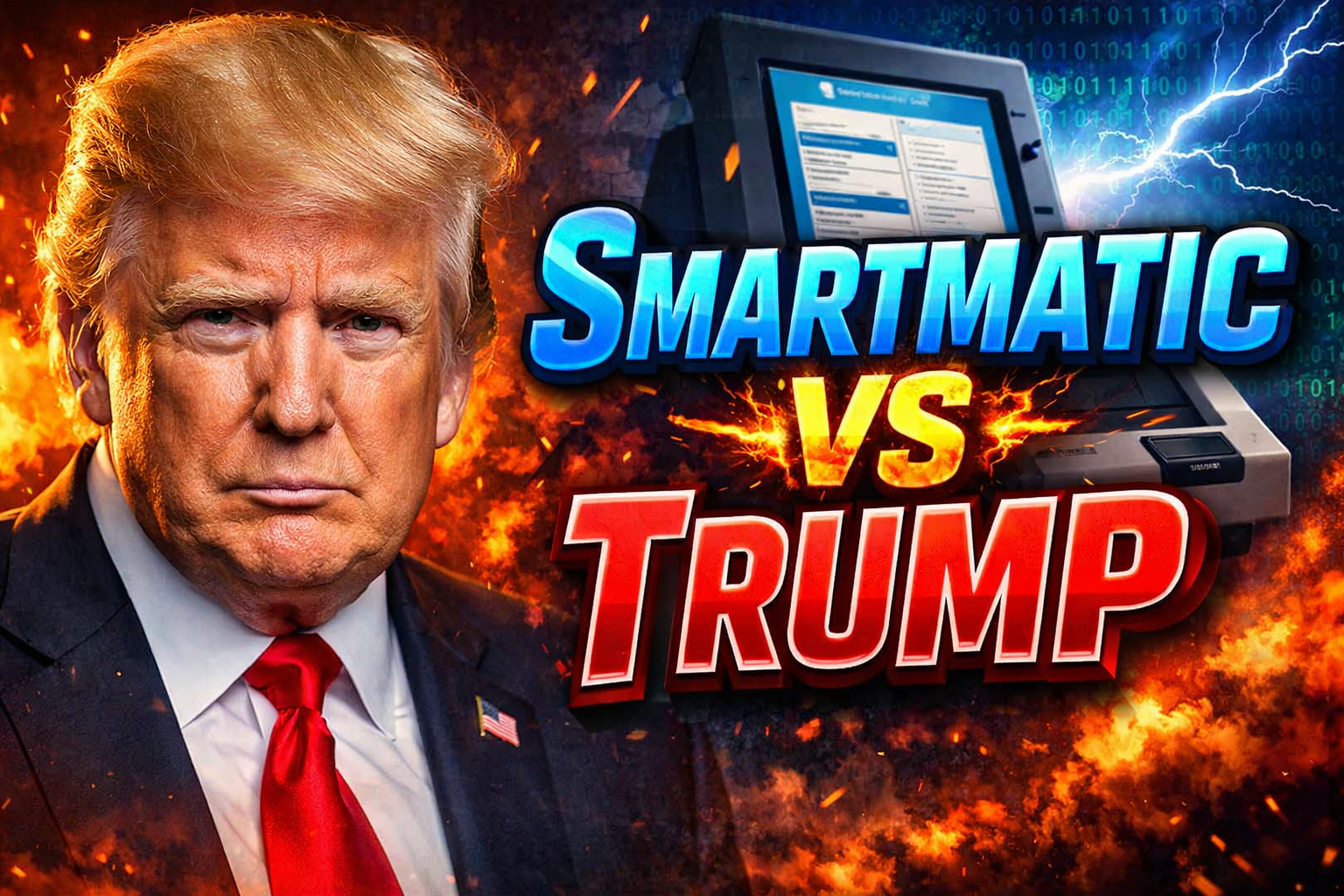
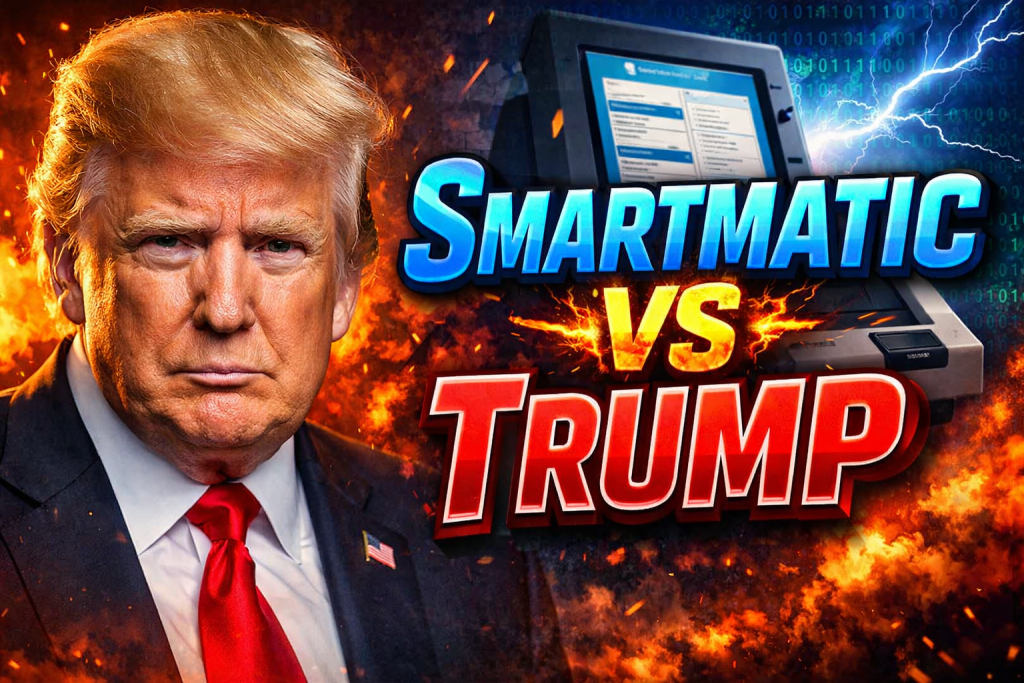
A heated legal battle unfolds as Smartmatic, the voting technology company long entangled in 2020 election controversies, fights a recent Department of Justice indictment on money-laundering charges tied to foreign bribery. President Donald Trump and his allies seize the moment to revive claims of election irregularities, while Smartmatic demands dismissal, calling the case politically motivated amid its defamation suits against media giants.
Smartmatic’s Rise and 2020 Shadow
Smartmatic emerged as a global player in election technology, providing secure voting machines and software used in dozens of countries. Founded in Venezuela, the firm expanded to the U.S., partnering with local governments for efficient ballot counting and voter verification. Its systems promised tamper-proof results through encryption and paper trails, earning contracts worth hundreds of millions.
The 2020 U.S. presidential election thrust Smartmatic into the spotlight. Pro-Trump voices, including former President Trump himself, accused the company of rigging votes in key swing states through Dominion Voting Systems, a separate firm falsely linked in conspiracy theories. Fox News and Rudy Giuliani amplified these claims, leading Smartmatic to sue for defamation, seeking billions in damages. No evidence of fraud surfaced, but the narrative fueled distrust in electoral processes.
Now, with Trump back in the White House, a DOJ indictment revives the feud. Smartmatic portrays it as retaliation for its lawsuits, while Trump hails it as vindication. The case hinges on alleged bribes in the Philippines, not U.S. elections, yet it intersects dramatically with domestic politics.
DOJ Indictment Details Unpacked
The charges stem from events over a decade ago. Federal prosecutors in Florida’s Southern District allege Smartmatic executives paid more than one million dollars in bribes to secure contracts for the 2016 Philippine elections. The scheme involved over-invoicing voting machines to create a slush fund, then routing payments through shell companies across Asia, Europe, and the U.S.
Named defendants include company founder Roger Pinate, executives Jorge Vasquez and Elie Moreno, plus Juan Bautista, former head of the Philippines’ Commission on Elections. Originally indicted in late summer of the previous year, the superseding document added Smartmatic’s parent, SGO Corporation, facing conspiracy to violate the Foreign Corrupt Practices Act and multiple money-laundering counts.
Prosecutors describe coded emails, WhatsApp messages, and fake loans to hide the corruption. Bribes allegedly ensured contract awards and tax refunds, netting Smartmatic lucrative deals. The DOJ emphasizes no U.S. election tampering is alleged, but the timing raises eyebrows given Trump’s administration oversight.
Smartmatic’s Aggressive Defense
Smartmatic fired back swiftly, filing a motion to dismiss the entire indictment. Company spokespeople label it factually baseless and legally flawed, accusing prosecutors of political bias influenced by Trump allies. They claim full cooperation with investigators, providing documents that contradict the allegations.
Legal arguments center on statute of limitations expirations, improper venue in Florida, and insufficient evidence tying the corporation to individual actions. Smartmatic’s lawyers argue the bribes, if any, were isolated executive misconduct, not company policy. They demand discovery to expose what they call a “targeted” prosecution amid the firm’s high-profile lawsuits.
In court filings, Smartmatic highlights its clean U.S. record, with machines certified by federal standards. The firm vows a vigorous trial defense, confident in acquittal. This stance echoes their defamation battles, where they’ve already scored discovery wins against Fox News.
Trump’s Revival of Election Claims
President Trump wasted no time linking the indictment to 2020. In rallies and Truth Social posts, he declared Smartmatic’s woes prove his fraud assertions, urging DOJ accountability. “They tried to steal the election, now they’re caught bribing overseas—same crooks!” he proclaimed to cheering crowds.
Trump’s DOJ, under new leadership, greenlit the superseding charges, fueling speculation of payback. Allies like Rudy Giuliani, himself a defamation defendant, amplify the narrative on podcasts and news shows. They demand audits of Smartmatic’s U.S. contracts, though none exist federally.
This rhetoric energizes Trump’s base, with polls showing heightened election skepticism. Critics warn it undermines faith in democracy, especially as midterms loom. Trump’s comments blend the Philippine case with unproven U.S. claims, creating a potent political weapon.
Defamation Suits in the Crossfire
Smartmatic’s lawsuits against Fox News, Newsmax, OAN, and Giuliani total over six billion dollars in claims. The cases allege deliberate falsehoods post-2020, costing the firm U.S. market access. Discovery has revealed internal Fox doubts about election lies, bolstering Smartmatic’s position.
The indictment complicates matters. Fox lawyers argue it evidences Smartmatic’s untrustworthiness, potentially swaying juries. Smartmatic counters that foreign bribery bears no relevance to U.S. defamation, filing motions to exclude it. Judges in Delaware and Florida courts now grapple with admissibility.
Settlement talks stall as stakes rise. A Smartmatic loss could bankrupt media defendants; victory might chill future election coverage. The overlap tests judicial impartiality amid Trump’s influence.
Timeline of Key Developments
- Mid-2010s: Smartmatic secures Philippine contracts amid alleged bribes.
- 2020: U.S. election conspiracy theories target the firm.
- Late Summer Previous Year: DOJ indicts executives on FCPA and laundering charges.
- Mid-October Last Year: Superseding indictment names Smartmatic.
- Early This Year: Smartmatic moves to dismiss; Trump comments publicly.
- Ongoing: Defamation trials advance with new motions.
This chronology underscores the decade-long saga, from overseas deals to American courtrooms.
Stats and Market Insights
The election technology sector booms, valued at billions globally. Smartmatic holds significant shares in Europe and Latin America, though U.S. presence waned post-2020.
| Aspect | Statistic | Context |
|---|---|---|
| Global Election Tech Market | Over 5 billion annually | Growing with digital shifts |
| Philippine Contract Value | Tens of millions | Core to 2016 elections |
| Alleged Bribe Amount | Exceeds 1 million | Funded via over-invoicing |
| Smartmatic Defamation Claims | 6 billion+ | Against multiple networks |
| FCPA Corporate Indictments | Rare, last in 2010 | Heightens scrutiny |
| U.S. Voting Machine Vendors | About 10 major firms | Dominion leads domestically |
FCPA enforcement has surged, with DOJ securing hefty fines yearly. Money-laundering convictions often yield decades in prison for executives.
Regulatory and Political Ramifications
The case spotlights Foreign Corrupt Practices Act rigor under Trump. Critics see selective prosecution; supporters applaud anti-corruption. Voting tech faces renewed audits, with states probing vendors.
For Smartmatic, survival hinges on dismissal or acquittal. A conviction could bar federal contracts, crippling growth. Trump’s narrative sustains voter doubts, influencing policy like paper ballot mandates.
Internationally, Philippines probes deepen, straining U.S. ties. Allies watch warily, fearing politicized justice.
Looking Toward Trial and Resolution
As motions play out, trial looms by year’s end. Smartmatic pushes for summary judgment; DOJ doubles down on evidence. Trump’s administration monitors closely, potentially intervening.
Outcomes could reshape election trust. Dismissal vindicates Smartmatic, boosting lawsuits. Conviction hands Trump a win, though unrelated to 2020 facts.
Stakeholders brace for appeals, media frenzy, and political ads. In this clash of tech, law, and power, truth emerges slowly amid the noise.

Abhinav Jain is a legal researcher and writer passionate about simplifying complex laws for everyday readers. With a keen interest in Indian constitutional, civil, and digital laws, he focuses on creating accessible, well-researched articles that promote legal awareness among students, professionals, and citizens alike.