
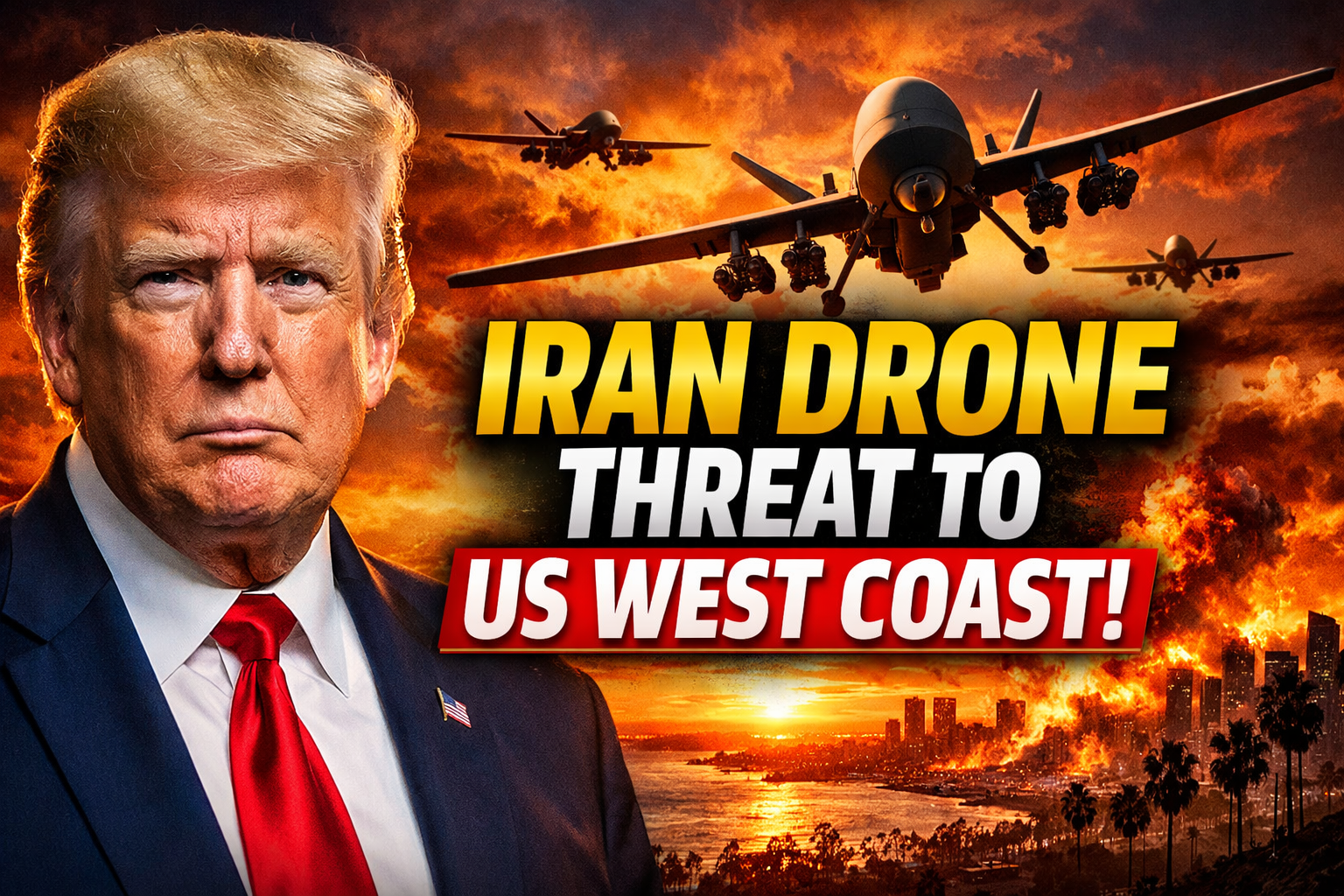
The FBI has issued a stark intelligence bulletin warning California law enforcement of a potential Iranian drone attack on the US West Coast, prompting heightened security protocols across the state amid escalating US-Iran tensions. The alert, circulated in late February, highlights Iran’s alleged aspirations to launch unmanned aerial vehicles from an unidentified vessel off the California coastline as retaliation for recent American strikes, though officials stress no specific timing, targets, or confirmed plots exist.
Origins of the FBI Intelligence Alert
The bulletin emerged from intelligence intercepted by the US Coast Guard, detailing Iran’s exploratory plans for a surprise drone assault should the United States escalate military actions. Distributed to Joint Terrorism Task Force partners and local police departments, it cautions that Tehran has contemplated using off-shore vessels to deploy drones against unspecified California targets. This comes weeks after President Donald Trump’s administration authorized precision strikes on Iranian command centers, air defenses, missile sites, and airfields on March 5, intensifying a shadow war that has already disrupted global oil flows.
FBI sources emphasize the alert’s cautionary nature, lacking actionable details on perpetrators, methods, or immediacy. It aligns with broader warnings of Iranian proxy activities, including cyber threats and asymmetric responses via Hezbollah networks in Latin America. California Governor Gavin Newsom’s office confirmed coordination with federal agencies, activating the Office of Emergency Services to bolster coastal vigilance without declaring emergencies.
Escalating US-Iran Conflict Backdrop
Tensions skyrocketed following US operations dubbed “precision strikes” targeting Iran’s military infrastructure, retaliating for drone and missile barrages on American assets in the Middle East. Iran, backed by proxies, has vowed asymmetric warfare, leveraging cheap Shahed-136 drones proven in Ukraine and Gulf conflicts. Intelligence assesses Tehran’s capability to preposition assets via smuggling routes through Mexico or Pacific shipping, exploiting vast coastlines.
The West Coast’s vulnerability stems from 8,000 miles of shoreline, major ports like Long Beach, and high-value targets including tech hubs, military bases, and energy infrastructure. Past incidents—Houthi drone attempts off Yemen, Iranian vessel seizures—underscore feasibility, though trans-Pacific logistics pose hurdles.
Specifics of the Drone Threat
Iran’s drone arsenal includes low-cost, long-range models like the Shahed-149, capable of 2,000-kilometer flights with 50-kilogram warheads. The alert posits sea-launched swarms overwhelming defenses, akin to Red Sea attacks. Potential targets span San Diego naval yards, Silicon Valley data centers, Los Angeles ports, and San Francisco financial districts—soft spots for disruption over mass casualties.
No vessel sightings confirmed, but heightened Coast Guard patrols scan for anomalies. Experts note Iran’s history: foiled plots via Mexican cartels, drone tech transfers to militias. Bulletin language—”aspired to conduct”—signals intent monitoring, not imminent action.
| Drone Capability | Range (km) | Payload (kg) | Key Features |
|---|---|---|---|
| Shahed-136 | 2,000 | 50 | Low-cost swarm, GPS-guided |
| Shahed-149 | 2,500 | 100 | Stealthy, satellite-linked |
| Mohajer-10 | 2,000 | 300 | Armed reconnaissance |
| Vessel-Launched | Variable | Swarm | Offshore deployment advantage |
This table outlines threats matching alert descriptions.
California’s Security Measures Activated
Governor Newsom directed statewide readiness: LAPD and CHP boost port patrols, San Diego deploys counter-drone systems at Miramar base, and Silicon Valley firms harden facilities. The California Highway Patrol activates aerial surveillance, while private marinas install radar. No public alerts issued to avoid panic, but fusion centers process tips 24/7.
Federal response layers in: NORAD expands Pacific radar, Cyber Command scans Iranian hacks, and DHS issues maritime advisories. Joint task forces drill drone intercepts, testing systems like Coyote Block 2 that downed 80 percent in trials.
Local agencies train on spotting commercial drones repurposed for attack—readily available via online vendors. Ports of Long Beach and Oakland restrict vessel loitering, unmanned aircraft systems banned over critical infrastructure.
Law Enforcement and Intelligence Coordination
FBI’s Joint Terrorism Task Force disseminates bulletins statewide, urging vigilance for suspicious vessels or drone activity. California Fusion Center correlates chatter from signals intelligence, human sources, and open-source monitoring. Sheriff’s departments in coastal counties—Ventura, Santa Barbara, Monterey—receive drone-spotter kits.
Private sector integrates: SpaceX and Google alert on anomalous flights near facilities. Border Patrol heightens Mexico scrutiny, fearing cartel smuggling.
Historical Precedents and Iranian Tactics
Iran’s asymmetric playbook shines: 2024 Houthi drone swarms sank ships, 2023 proxy attacks hit Saudi Aramco. Foiled US plots include 2022 Justice Department charges against Iranian agents planning assassinations via drones. Mexico links worry experts—Tehran’s Hezbollah ties enable smuggling.
West Coast near-misses: 2024 Chinese spy balloon, 2023 unidentified drones over bases. FBI’s alert echoes 2020 Soleimani strike warnings.
Potential Targets and Vulnerabilities
High-value sites top lists:
- Military: San Diego Naval Base, Vandenberg Space Force Base—drone strikes could disrupt Pacific fleets.
- Energy: Refineries in Martinez, Long Beach—disruptions spike prices amid Hormuz crisis.
- Tech/Finance: Silicon Valley servers, LA Stock Exchange—economic sabotage.
- Ports: LA/Long Beach handle 40 percent US imports—chaos halts trade.
Civilian risks low but symbolic: Golden Gate Bridge, Hollywood spectacles.
Expert Assessments and Credibility
Former DHS intelligence chief John Cohen deems the threat legitimate, citing Iran’s Pacific reach via proxies. Drone analyst Brett Velicovich warns sea-launched swarms evade radars, urging jammer deployments. Skeptics note unverified intel—routine for bulletins—but timing amid strikes elevates urgency.
President Trump dismissed worries: “Not concerned—Iran knows consequences.” Pentagon readies layered defenses: F-35 intercepts, ship-based lasers.
Public Safety Guidance and Drills
Officials advise reporting drones to 1-800-CALL-FBI, avoiding speculation. Drills simulate intercepts: San Francisco tests rooftop sensors, San Diego runs port scenarios. Apps like DroneWatcher crowdsource sightings.
Communities prepare: schools review lockdowns, events add skyward scans. No travel advisories, but heightened coastal presence reassures.
Broader Geopolitical Ramifications
Alert amplifies US-Iran standoff: Hormuz blockade fuels shortages, cyber fears rise. Allies coordinate—Australia bolsters bases, Israel shares intel. UN debates condemnations, China watches warily.
Domestic politics heat: Republicans praise vigilance, Democrats question escalation. Tech firms lobby drone regs.
Economic and Infrastructure Impacts
Ports ramp security, delaying shipments 10-20 percent. Insurance premiums tick for coastal assets. Tech stocks dip on sabotage fears, oil futures spike.
Federal and State Preparedness Evolution
Post-2024 drone incursions, NDAA mandates counter-UAS at bases. California invests 50 million in coastal radars. FBI’s bulletin exemplifies fusion: raw intel triggers action sans panic.
Media and Public Reaction
Outlets frame cautiously: ABC breaks alert, LA Times sources skepticism. Social media buzzes #IranDroneWatch, memes mix fear and defiance. Influencers urge calm amid viral vessel footage—mostly benign.
Path Forward and Mitigation
Monitoring intensifies through March: satellite sweeps, submarine hunts. De-escalation diplomacy runs parallel—Trump envoys test Tehran. Success metrics: zero incidents, seamless drills.
Countermeasures mature: AI radars detect swarms, electronic warfare jams signals. Public-private drills normalize readiness.
Long-Term Implications
Threat spotlights vulnerabilities: lax drone regs, porous seas. Congress eyes bans on foreign UAVs, port scanners. Iran adapts—submersibles next?
West Coast steels: from bulletin to bulwark, California’s measures blend precaution with resolve. No strikes yet, but vigilance endures amid volatile skies.

Abhinav Jain is a legal researcher and writer passionate about simplifying complex laws for everyday readers. With a keen interest in Indian constitutional, civil, and digital laws, he focuses on creating accessible, well-researched articles that promote legal awareness among students, professionals, and citizens alike.