
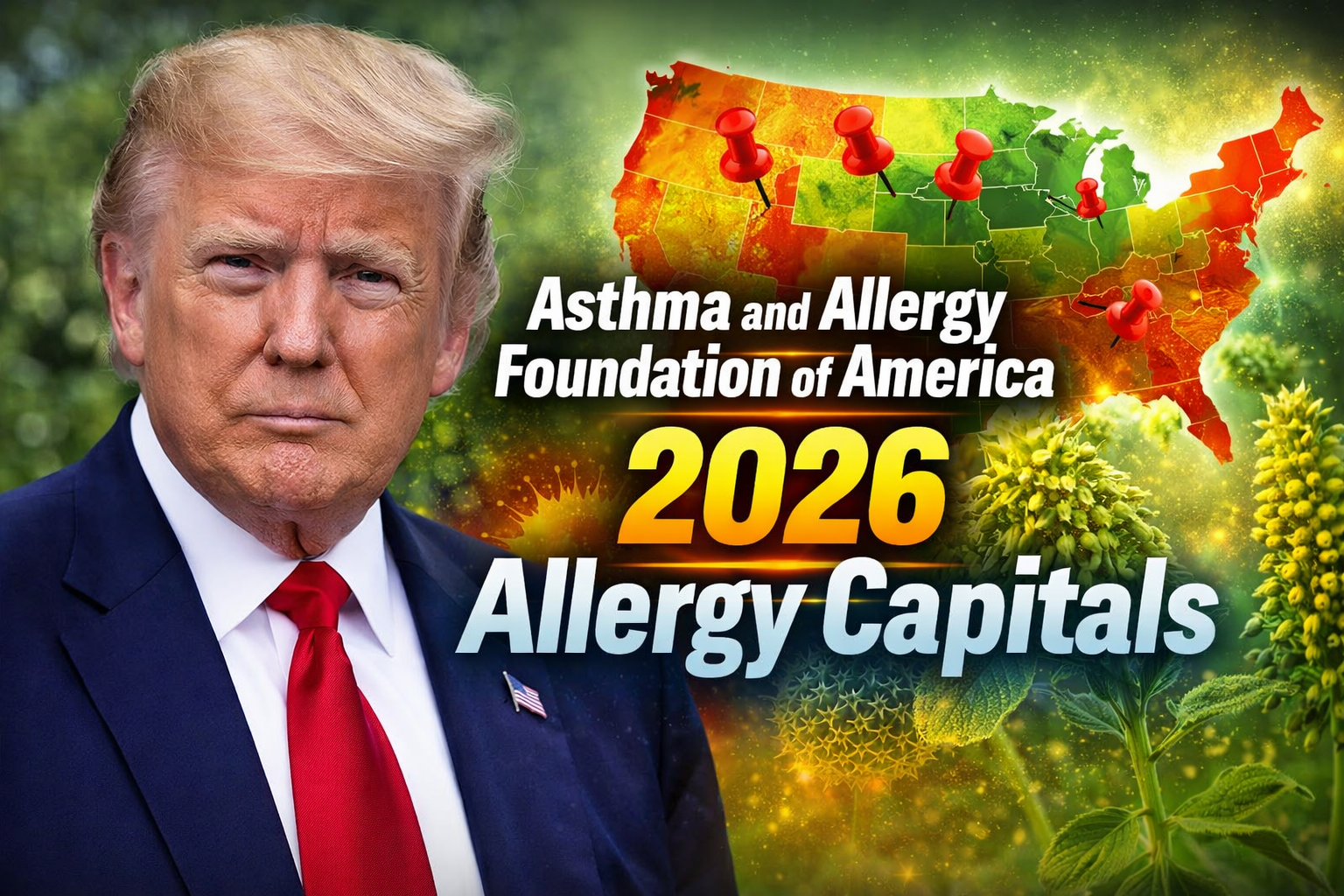
Spring brings blooming flowers and outdoor adventures, but for millions, it also unleashes a wave of sneezes, itchy eyes, and sleepless nights. The Asthma and Allergy Foundation of America has once again spotlighted the toughest U.S. cities for living with seasonal allergies through its Allergy Capitals report.
Understanding the Allergy Capitals Report
The Allergy Capitals report evaluates the hundred largest cities in the contiguous United States based on key challenges for pollen allergy sufferers. Researchers combine pollen scores from trees, grasses, and weeds with data on over-the-counter allergy medicine use and the availability of specialists per patient. This holistic approach reveals where allergy seasons hit hardest, factoring in how early pollen starts, how intensely it peaks, and how long it lingers. Cities climb the ranks when warmer weather extends blooming periods or extreme events boost pollen production. For those affected, these insights guide relocation decisions, treatment planning, and daily coping strategies.
Top Challenges in the Worst Cities
This year’s list shows a shift, with Western cities rising due to milder winters and erratic weather patterns that prolong pollen exposure. Boise, Idaho, claims the top spot for the first time, dethroning traditional frontrunners. Its dry climate traps fine pollen particles, while tree pollen surges earlier than in past years. San Diego, California, follows closely, where coastal breezes carry ragweed and grass pollen inland, overwhelming residents despite the mild temperatures. Tulsa, Oklahoma, rounds out the top three with its mix of high weed counts and limited specialist access, making symptom relief a daily battle.
Other notable entries include Provo, Utah; Rochester, New York; Wichita, Kansas; Raleigh, North Carolina; and more. These places share traits like rapid urbanization that reduces natural pollen filters, alongside climate shifts amplifying airborne irritants. Allergy sufferers report more emergency visits and missed workdays here, underscoring the public health toll.
Detailed Rankings Breakdown
| Rank | City | Key Pollen Culprits | Specialist Shortage | OTC Medicine Use |
|---|---|---|---|---|
| First | Boise, ID | Trees, early spring | High | Elevated |
| Second | San Diego, CA | Grass, coastal winds | Moderate | Very high |
| Third | Tulsa, OK | Weeds, summer peaks | Severe | High |
| Fourth | Provo, UT | Trees, dry air | High | Elevated |
| Fifth | Rochester, NY | Weeds, fall extension | Moderate | High |
| Sixth | Wichita, KS | Grass, Midwest winds | Severe | Very high |
| Seventh | Raleigh, NC | Trees, humid blooms | High | Elevated |
| Eighth | Additional Western | Mixed pollen seasons | Varies | High |
| Ninth | Midwest Contender | Weeds dominant | Moderate | Elevated |
| Tenth | Southern Climber | Grass, year-round | High | Very high |
This table highlights patterns: Western cities dominate early ranks due to extended seasons, while Midwest and Southern spots struggle with peak intensity and resource gaps. Over a hundred million Americans face allergies yearly, but in these top ten, the burden feels heaviest.
Why Pollen Seasons Are Getting Worse
Climate changes play a starring role in intensifying allergy woes. Warmer temperatures trigger trees to release pollen weeks ahead of schedule, stretching exposure from months to nearly year-round in some regions. Extreme weather, like prolonged droughts followed by heavy rains, supercharges pollen production—plants respond to stress by pumping out more allergens. Urban sprawl worsens it: concrete jungles trap pollen in heat islands, preventing natural dispersal. In Boise, for instance, pine and juniper trees blanket suburbs, their counts spiking thirty percent higher than last year.
Grass pollen, a summer scourge, now overlaps with tree seasons, creating non-stop assaults. Weed pollen, especially ragweed, thrives in disturbed soils from construction booms. Statistics show allergy seasons averaging two weeks longer nationwide, with peak days doubling in pollen concentration. This trend hits children and the elderly hardest, as developing lungs and weakened immunity amplify risks.
Health Impacts on Daily Life
Living in an Allergy Capital means constant vigilance. Sneezing fits disrupt sleep, leading to fatigue that hampers productivity—workers lose billions in missed days annually. Schoolchildren face concentration issues, with asthma flare-ups sending thousands to urgent care. Eye irritation swells to conjunctivitis levels, while sinus pressure mimics migraines. For asthmatics, pollen triggers wheezing and chest tightness, escalating to hospitalizations during peaks.
Mental health suffers too; chronic discomfort breeds anxiety, isolating sufferers from outdoor joys like parks or sports. Families adapt with air purifiers running nonstop, windows sealed year-round, and vacation timing around forecasts. In high-ranking cities, over-the-counter sales skyrocket, yet many delay seeing specialists due to shortages—one patient per allergist ratios stretch thin.
City Spotlights: Deep Dives into the Worst
Boise, Idaho: The New Allergy King
Boise’s ascent to first place stems from its unique microclimate. Mountain pines unleash massive tree pollen loads in late winter, while irrigated lawns fuel grass spikes. With few specialists, residents rely on pharmacies, but medicine demand outpaces supply. Local parks, once havens, now pose hazards during blooms.
San Diego, California: Coastal Pollen Trap
Sunshine lures newcomers, but ocean winds ferry pollen from inland valleys. Year-round mildness means no true off-season—grass and weeds persist through fall. Urban density concentrates exposure, taxing healthcare stretched by tourism.
Tulsa, Oklahoma: Midwest-Weed Hotspot
Tulsa battles ragweed fields surrounding the city, peaking violently in September. Hot summers extend grass seasons, while tornado recovery disturbs soils, releasing more allergens. Limited doctors mean long waits for personalized care.
These profiles reveal how local geography, weather, and growth converge to amplify suffering.
Management Strategies for Sufferers
Beating allergies starts with preparation. Track local pollen forecasts via apps, staying indoors during high counts—mornings and windy days worst. Shower post-outdoors to rinse pollen from hair and skin; use HEPA vacuums weekly. Nasal rinses flush sinuses effectively, reducing inflammation faster than sprays alone.
Medications evolve: antihistamines now offer twenty-four-hour relief without drowsiness, while nasal corticosteroids cut inflammation at the source. Immunotherapy shots or tablets build tolerance over years, slashing symptoms by half for many. Diet tweaks help—omega-threes from fish curb reactions, and quercetin-rich onions act as natural stabilizers.
Lifestyle shifts matter: opt for allergy-friendly yards with low-pollen plants like daffodils over oaks. In Allergy Capitals, communities push for green policies, like more tree-trimming and air quality monitors.
Broader Implications for Public Health
The Allergy Capitals report signals a growing crisis at the climate-health nexus. As Western cities climb ranks, migration patterns shift—sufferers eye less pollen-prone spots like the Pacific Northwest interiors. Policymakers respond with funding for specialist training and urban forestry grants favoring hypoallergenic species.
Healthcare systems strain under rising demands; emergency rooms log record asthma visits during peaks. Economic ripples touch agriculture, as crop dusts mimic pollen, and tourism dips in bloom seasons. Awareness campaigns empower individuals, but systemic changes—like reducing emissions to shorten seasons—offer lasting relief.
Hope on the Horizon
Innovations promise brighter days. Wearables now predict personal flare-ups via air quality and symptom logs. Gene therapies target allergy roots, while vaccines against common pollens enter trials. Cities invest in “allergy audits” for new developments, mandating pollen barriers.
Sufferers thrive by blending tech, medicine, and habits. The 2026 report, while daunting, equips us to fight back—turning pollen battlegrounds into manageable landscapes.

Abhinav Jain is a legal researcher and writer passionate about simplifying complex laws for everyday readers. With a keen interest in Indian constitutional, civil, and digital laws, he focuses on creating accessible, well-researched articles that promote legal awareness among students, professionals, and citizens alike.