
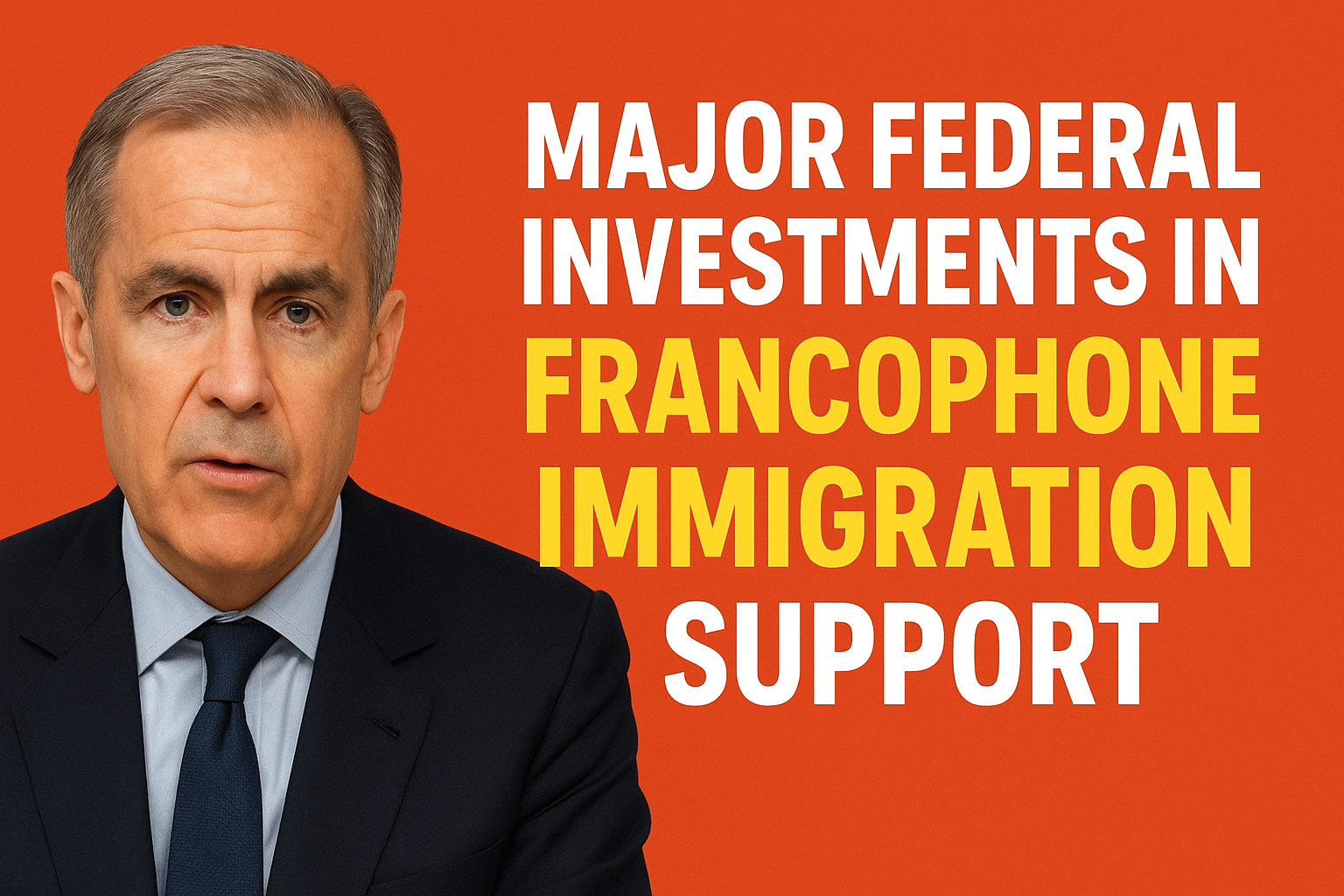
Canada is making significant federal investments to support Francophone immigration, especially outside Quebec, aiming to bolster the vitality of Francophone minority communities across the country. These initiatives, focused on attracting French-speaking and bilingual global talent, address labor market needs while enhancing socio-economic development. With growing government financial commitment and targeted programs, Canada strives to create a more inclusive immigration landscape for Francophone newcomers.
Background and Importance of Francophone Immigration
Francophone immigration is critical for Canada’s cultural diversity and economic growth. French-speaking immigrants contribute to the demographic balance and economic development of minority communities outside Quebec. However, these communities face challenges such as declining French-speaking populations and barriers to effective immigration and integration. Federal programs aim to reverse this trend, encouraging Francophone immigration to maintain and grow vibrant French-speaking communities across Canada.
Major Federal Funding Initiatives
The Government of Canada has announced sizeable funding increases to support innovative projects that promote Francophone immigration. These investments include:
- An investment of approximately 36 million dollars to support new projects funded by the Francophone Immigration Support Program (FISP).
- Over 137 million dollars allocated through the Action Plan for Official Languages from 2023 to 2028 to support Francophone immigration initiatives nationwide.
- A $9.3 million funding boost for 12 projects under the Francophone Immigration Support Program aimed at recruitment, retention, and support services for Francophone immigrants.
Key Programs and Objectives
Francophone Immigration Support Program (FISP)
FISP is a central initiative designed to apply a Francophone lens to immigration processes. It supports projects that facilitate the admission and integration of French-speaking immigrants by:
- Increasing involvement of Francophone stakeholders in candidate selection.
- Meeting bilingual labor market needs in health care, education, and early childhood sectors.
- Supporting community mobilization and promotion of immigration programs targeting Francophone employers and stakeholders.
Centre for Innovation in Francophone Immigration (CIFI)
The CIFI plays a vital role in delivering these initiatives, working to innovate and mobilize communities. It supports the development of tools, research, and data to better understand the needs of Francophone immigrants and to develop policies that reduce immigration barriers. CIFI also promotes collaboration among universities, community service providers, and government agencies to facilitate French-speaking student retention and immigrant integration.
Targets and Progress Toward Francophone Immigration
Canada has set ambitious targets to increase the proportion of French-speaking permanent residents outside Quebec as part of its 2025–2028 immigration levels plan:
| Year | Target Percentage of French-speaking Permanent Residents (Outside Quebec) | Number of Admissions (Approximate) |
|---|---|---|
| 2025 | 8.5% | 29,325 |
| 2026 | 9.5% | 31,350 |
| 2027 | 10% | 31,500 |
| 2028 | 10.5% | 35,175 |
These targets represent Canada’s commitment to increasing Francophone immigration systematically, with strong progress already observed as the admission rate reached 7.2% in 2024.
Labour Market Alignment and Economic Benefits
The federal investments in Francophone immigration specifically target sectors facing labor shortages such as health care, education, and early childhood development. By attracting skilled French-speaking workers, these initiatives help fill critical roles and strengthen regional economies. Enhanced immigration pathways for Francophone workers also support economic integration and community sustainability in minority language regions.
Community Engagement and Integration Support
Supporting Francophone newcomers goes beyond admissions. The government is investing in community programs that facilitate settlement and integration, including language training, employment services, and social supports tailored to French-speaking immigrants’ needs. Programs like Welcoming Francophone Communities have expanded participation from 14 to 24 communities, reflecting a growing network dedicated to nurturing Francophone culture and social cohesion outside Quebec.
Challenges and Ongoing Efforts
Despite increased funding and targeted programs, challenges remain in fully realizing a vibrant Francophone presence nationwide. Barriers such as language proficiency requirements, recognition of foreign credentials, and accessibility of services require continuous attention. The government’s strategy includes ongoing dialogue with stakeholders, innovative project funding, and data-driven updates to policies aiming at continuous improvement.
Conclusion
Canada’s major federal investments in Francophone immigration represent a comprehensive approach to strengthening French-speaking communities outside Quebec. By combining ambitious admission targets, dedicated funding, and community-centered programs, Canada aims to reverse the decline of Francophone populations in minority settings and foster economic prosperity through skilled immigration. These efforts underscore the government’s commitment to linguistic diversity and inclusive growth across the country’s regions.

Abhinav Jain is a legal researcher and writer passionate about simplifying complex laws for everyday readers. With a keen interest in Indian constitutional, civil, and digital laws, he focuses on creating accessible, well-researched articles that promote legal awareness among students, professionals, and citizens alike.