
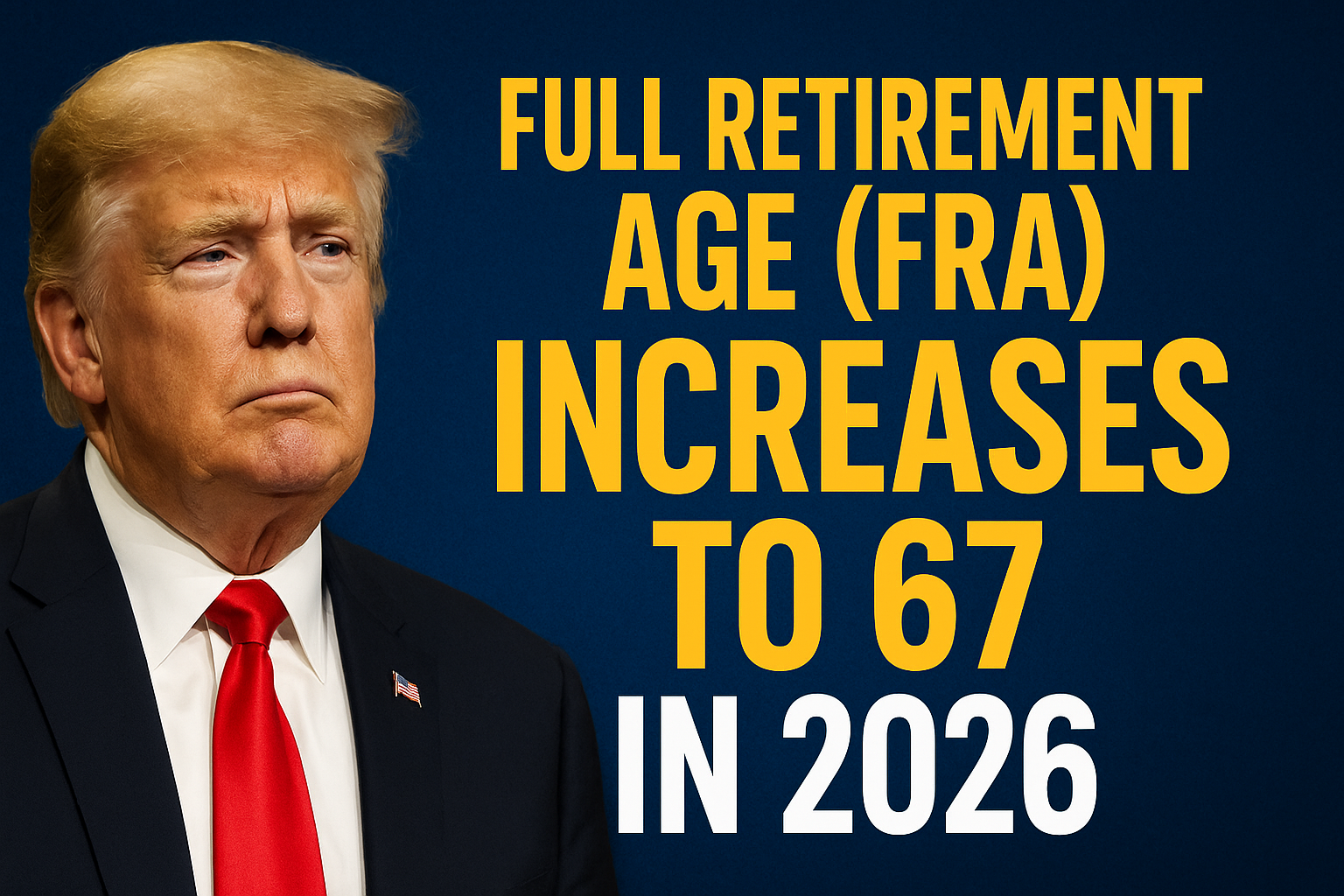
The Full Retirement Age (FRA) is the age at which an individual becomes eligible to receive full Social Security retirement benefits without any reductions. Claiming benefits before FRA results in permanently reduced monthly payments, while delaying past FRA can increase monthly benefits through delayed retirement credits.
Historical Evolution of FRA
Originally, the FRA was 65 for all beneficiaries. However, due to increasing life expectancy and financial sustainability concerns, the FRA began to increase gradually with laws passed in 1983. The FRA now depends on the year of birth, gradually rising from 65 to 67 for later birth cohorts.
Increase to 67 for Those Born in 1960: Policy Details
For people born in 1960 or after, the FRA is fixed at 67. This means Social Security benefits are calculated based on reaching age 67, and claiming before this age results in greater benefit reductions compared to those with an FRA of 65 or 66.
Who is Generation X? Birth Year Range and Demographics
Generation X typically includes individuals born between 1965 and 1980, though some definitions extend this range from approximately 1960 to 1981. Thus, the FRA increase to 67 applies to most Gen Xers, influencing when and how they can claim retirement benefits.
Direct Impact of FRA Increase to 67 on Generation X Retirement Benefits
The principal impact is more significant early retirement reductions. For example:
- Claiming at age 62 (the earliest possible) results in approximately a 30% reduction in monthly benefits for those with an FRA of 67 versus around 25% for FRA 66.
- To receive full benefits, Gen X must wait until 67, delaying access by up to two years for those with earlier FRAs.
Reduced Benefits for Early Retirement Claimants
Early claimants face actuarial reductions proportional to months before FRA they begin benefits. The longer FRA increases, the greater the reduction magnitude for the same early start age.
Delayed Retirement Credits and Maximizing Benefits
Conversely, those who delay claiming beyond FRA earn delayed retirement credits increasing monthly benefits by roughly 8% per year up to age 70. For Gen X, delaying benefits closer to 70 can significantly boost lifetime retirement income if health and financial circumstances permit.
Comparing FRA 66 to FRA 67: Financial Implications
Studies show the FRA increase means Gen X individuals must carefully balance the loss from reduced early benefits against potential longevity and earnings. Delaying benefits improves financial security but requires personal or savings capacity.
SSA Full Retirement Age Calculator 2026: How It Works
The SSA provides an updated online FRA calculator for 2026 that allows users to input their birthdate to find:
- Exact FRA according to their birth year.
- Early retirement reduction percentages.
- Delayed retirement credit percentages.
- Estimated monthly benefits at various claim ages.
Step-by-Step Guide to Using the SSA FRA Calculator
- Visit the SSA full retirement age calculator webpage.
- Enter your date of birth.
- Review the automatically displayed FRA.
- Explore scenarios by selecting various claiming ages.
- View corresponding benefit adjustments.
Practical Examples for Gen X Benefit Estimation
For a Gen X person born in 1965:
- FRA is 67 years, 0 months.
- Claiming at 62 reduces benefits by about 30%.
- Claiming at 70 yields approximately 24% higher monthly payments than FRA.
Additional Social Security Planning Tools and Resources
SSA also offers benefit calculators, retirement planners, and online seminars to assist individuals.
Strategies for Generation X to Mitigate FRA Changes
- Consider delaying claims to maximize monthly benefits.
- Account for personal health, employment status, and financial needs.
- Integrate Social Security with pensions, savings, and investments.
- Consult financial advisors for personalized plans.
Policy and Legislative Considerations Affecting Future FRA Adjustments
Social Security policy is subject to Congressional review. Future modifications could adjust FRA again to respond to demographic and fiscal challenges.
Conclusion
The increase of Social Security Full Retirement Age to 67 for those born in 1960 and beyond presents considerable implications for Generation X retirement planning. With larger reductions for early claims and opportunities for greater benefits by delaying claims, understanding FRA is critical to optimizing Social Security income. Tools such as the SSA 2026 Full Retirement Age calculator empower individuals to model scenarios tailored to their circumstances. By staying informed and planning accordingly, Generation X Americans can navigate these structural changes and better secure their financial futures in retirement.

Abhinav Jain is a legal researcher and writer passionate about simplifying complex laws for everyday readers. With a keen interest in Indian constitutional, civil, and digital laws, he focuses on creating accessible, well-researched articles that promote legal awareness among students, professionals, and citizens alike.