
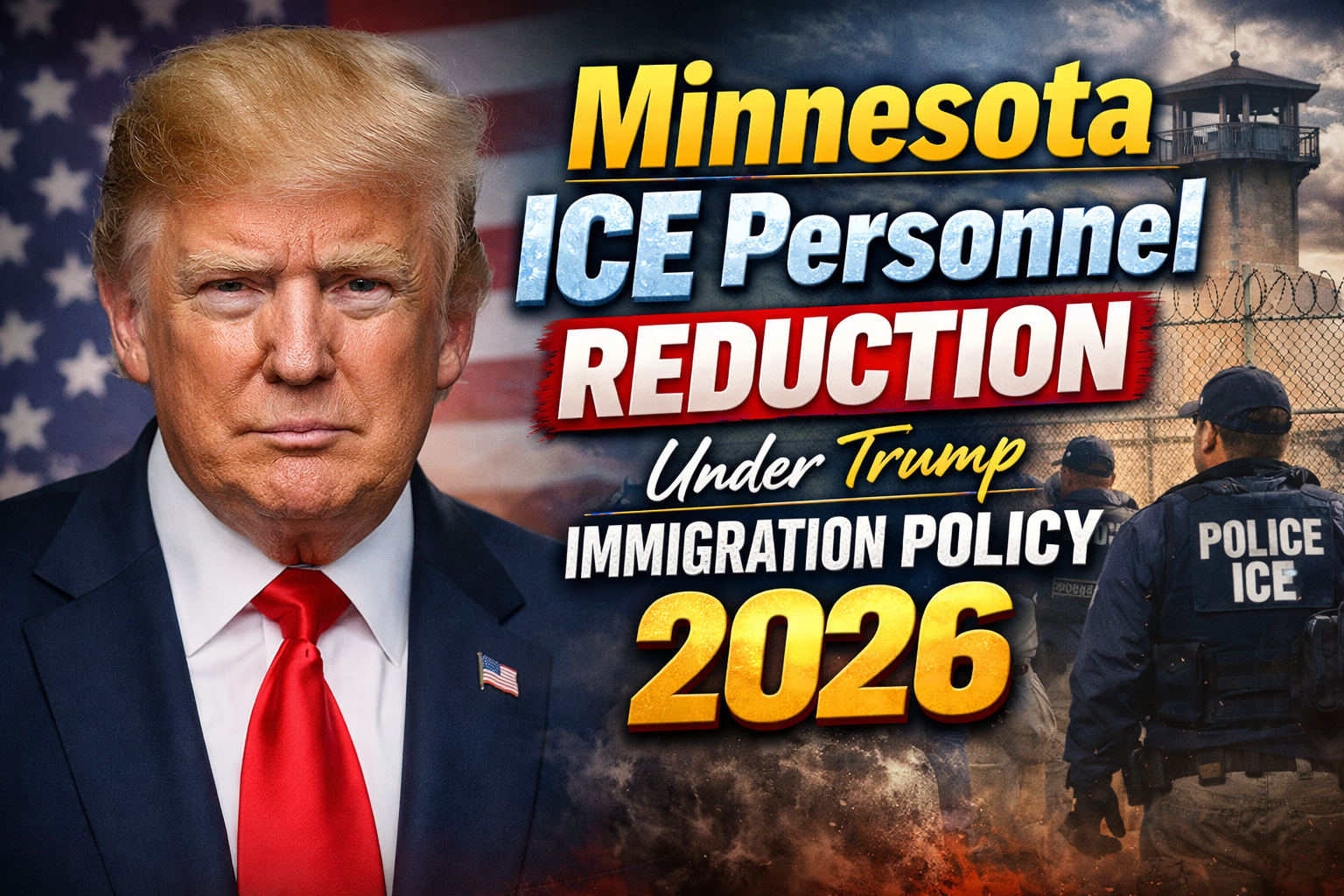
The Trump administration’s aggressive immigration enforcement has reached a pivotal moment in Minnesota, where a massive deployment of ICE agents has sparked intense backlash. Border Czar Tom Homan now promises a reduction in personnel, but only under specific conditions tied to local cooperation. This shift signals a potential de-escalation amid protests, lawsuits, and tragic incidents, reshaping the national debate on interior enforcement.
Background on the Surge
Minnesota became a flashpoint for Trump’s immigration crackdown early in 2026, triggered by a high-profile welfare fraud scandal involving immigrant communities. Federal authorities pointed to widespread abuse in social services programs, particularly in the Twin Cities, where schemes defrauded taxpayers of hundreds of millions. In response, the administration launched Operation Metro Surge, flooding Minneapolis with thousands of agents from ICE and Customs and Border Protection.
This operation marked one of the largest interior immigration efforts ever, with around 3,000 personnel rotating through the area at its peak. Agents conducted street patrols, workplace raids, and arrests targeting individuals with deportation orders, many from Somali backgrounds. By mid-January, nearly 700 detentions had occurred, fueling daily clashes with protesters who accused agents of racial profiling and overreach.
The Spark: Tragic Shootings and Protests
Tensions boiled over with two fatal shootings of U.S. citizens by federal agents in Minneapolis, igniting nationwide outrage. The first involved a 37-year-old woman during a raid, captured on video amid chaotic scenes of tear gas and tackles. Weeks later, Alex Pretti became the second victim, prompting weeks of sustained protests and even Governor Tim Walz’s direct plea to President Trump to dial back the operations.
Videos showed agents using chokeholds on demonstrators, smashing car windows, and deploying tactical teams in residential neighborhoods. Local leaders, including Minneapolis Mayor Jacob Frey, decried the “militaristic” approach, while Hennepin County jails resisted handing over inmates to ICE. Public polls reflected deep divisions: 62 percent of Americans felt ICE had gone too far in Minnesota, though support lingered outside metro areas and among Republicans.
Tom Homan’s Role as Border Czar
President Trump dispatched Tom Homan, his newly appointed Border Czar and former ICE acting director, to take command in Minneapolis. Homan replaced the previous Border Patrol leader, whose broad sweeps had ensnared non-criminals and created political headaches. Stepping into the fray, Homan held a high-profile press conference, acknowledging flaws while defending the mission.
“I’m not here because the federal government has executed its mission flawlessly,” Homan stated bluntly. He criticized “hostile rhetoric” from local officials and protesters, linking it to increased violence against agents. Yet, he positioned himself as a pragmatist, promising a “drawdown plan” to pull back forces if Minnesota stepped up collaboration.
Homan’s Key Statements on Personnel Reduction
Homan’s core message: fewer agents on streets means more access to jails. “A higher number of agents in the jail translates to fewer agents on the streets,” he explained during meetings with Walz and Frey. The plan hinges on state prisons and counties notifying ICE of releasable immigrants, allowing targeted pickups instead of random patrols.
He outlined a shift to “targeted strategic enforcement operations” focused on public safety threats—criminals first. “We’re not surrendering the president’s mission,” Homan emphasized, vowing to stay “until the problem’s gone.” This conditional drawdown addresses backlash without abandoning deportations, with Trump echoing that “nothing’s going to change” on removals.
Stats and Figures on the Operation
The scale of the deployment underscores the operation’s intensity.
| Category | Details | Approximate Numbers |
|---|---|---|
| Agents Deployed | Peak federal presence in Minneapolis area | 3,000 (including 1,500 ERO, 600 HSI) |
| Initial Surge | Additional agents announced in January | 2,100 (1,500 enforcement, 600 investigations) |
| Arrests Made | By mid-January under Operation Metro Surge | Nearly 700 deportable individuals |
| Fraud Impact | Welfare schemes investigated | Hundreds of millions defrauded |
| Public Opinion | National poll on ICE actions in Minnesota | 62% say went too far; 44% approve urban crackdowns |
| Fatal Incidents | U.S. citizens killed by agents | 2 (including Alex Pretti) |
These figures highlight both the operation’s reach and its costs, from arrests to public fury.
Local and State Resistance
Minnesota’s Democratic leadership has fiercely opposed the crackdown. Governor Walz suspended federal child care funding amid fraud probes and urged de-escalation, while the state sued the administration claiming constitutional violations. Hennepin County refuses ICE access, but state prisons cooperate post-sentence.
Protests drew thousands, with reports of agents patrolling parking lots and clashing in Somali-heavy neighborhoods. A Minnesota Poll showed 55 percent statewide opposing Trump’s policies, though suburbs were split. This resistance forced Homan’s hand, tying reductions to jail partnerships.
Implications for Trump’s Broader Policy
Homan’s Minnesota strategy previews national adjustments. The administration eyes similar “optimized” models elsewhere, prioritizing criminals via local handoffs to minimize street presence. This could expand deportations quietly, bypassing protests that plagued early surges in cities like Chicago and Portland.
Yet challenges persist: lawsuits from Minnesota and Illinois allege overreach, and polls show eroding support for interior raids. Trump’s team frames it as efficiency, not retreat, amid welfare fraud tying immigrants to “garbage” systems, as he put it.
Reactions from Stakeholders
Immigrant advocates decry the pivot as a facade, warning targeted ops still terrorize communities. “Fear in places like our neighborhoods hasn’t lifted,” said one organizer. Local Republicans praise Homan’s toughness, while Democrats like Walz hail potential drawdowns but demand full withdrawal.
Nationally, 52 percent back border crackdowns, but urban enforcement lags. Homan’s “zero tolerance for violence” stance has quieted some rhetoric, though he predicts bloodshed without cooperation.
Future Outlook
As February 2026 unfolds, Minnesota tests Trump’s enforcement blueprint. Successful jail deals could shrink the 3,000-agent footprint dramatically, freeing resources for borders. Failure means prolonged standoffs, more lawsuits, and political drain.
Homan remains committed: improvements yes, surrender no. This saga blends tragedy, policy, and pragmatism, with Minnesota’s fate signaling whether Trump’s mass deportation vision adapts or doubles down. For now, the Border Czar’s words hang in the balance—cooperate, or the streets stay crowded.

Abhinav Jain is a legal researcher and writer passionate about simplifying complex laws for everyday readers. With a keen interest in Indian constitutional, civil, and digital laws, he focuses on creating accessible, well-researched articles that promote legal awareness among students, professionals, and citizens alike.