
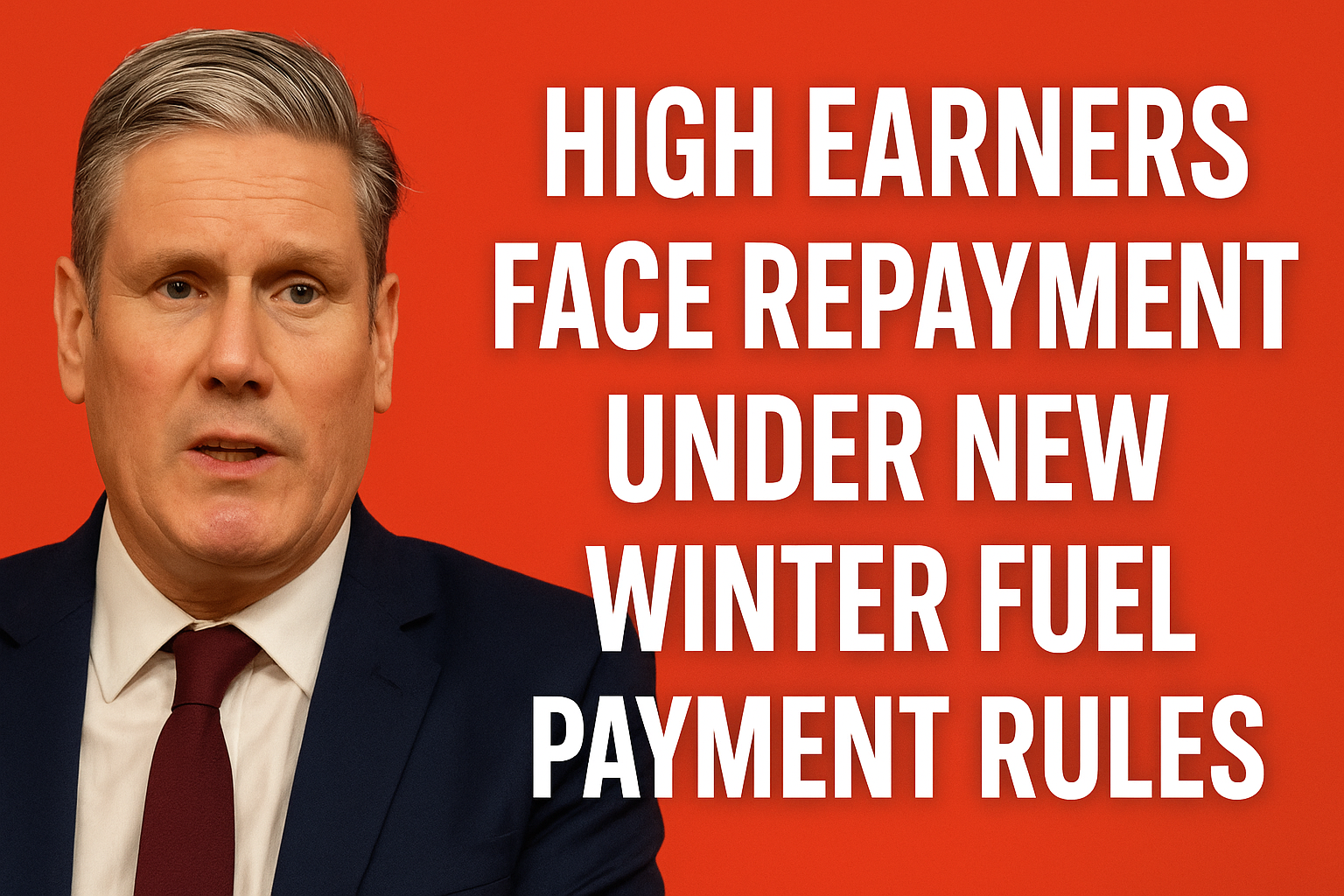
The UK government’s Winter Fuel Payment (WFP) scheme for 2025-26 has expanded eligibility to all pensioners in England, Wales, and Northern Ireland, but introduces a strict clawback mechanism for high earners. Individuals with annual income exceeding £35,000 will receive the automatic payment—ranging from £100 to £300—but HMRC will recover the full amount through tax adjustments the following year. This policy shift, effective for payments made in November/December 2025, aims to target aid at vulnerable households while saving £1.5 billion annually, sparking concerns among wealthier retirees about unexpected tax bills.
Overview of Winter Fuel Payment Changes
Historically, the WFP provided tax-free help with winter heating costs to pensioners over State Pension age. From 2024, means-testing linked it to Pension Credit recipients, excluding millions. The 2025 reversal restores universal access for those born before 22 September 1959, residing in England, Wales, or Northern Ireland during the qualifying week (15-21 September 2025). Scotland operates the separate Pension Age Winter Heating Payment.
Payments arrive automatically via the bank account used for State Pension or benefits, typically mid-November to December 2025. Amounts depend on age and household:
- £200 standard for under-80s.
- £300 for those 80+.
- Reduced £100/£150 if living in a care home (non-Pension Credit).
The catch: no tapering—exceed £35,000 in 2025-26 tax year income (ending 5 April 2026), and the full payment becomes taxable, reclaimed without mercy.
The £35,000 Threshold: Who Qualifies for Clawback?
Income calculation uses adjusted net income: total earnings minus allowances, gift aid, and pension contributions. Includes State Pension, private pensions, investments, rentals, and employment.
Examples:
- State Pension £11,500 + private pension £20,000 + dividends £5,000 = £36,500 → Full clawback.
- Couples assessed individually: Partner A (£36,000) repays; Partner B (£30,000) keeps theirs.
Pensioners near the threshold—say, with rental income spikes or inheritance—face surprises. DWP’s online calculator helps check exposure.
How HMRC Recovers the Payment
Recovery methods vary by tax status:
- PAYE taxpayers (most pensioners): HMRC adjusts 2026-27 tax code, deducting the amount monthly (e.g., £200 over 12 months = £16.67/month extra tax).
- Self-Assessment filers: Add WFP to 2025-26 return as taxable income; repay via balancing payment (due January 2027) or payments on account.
- Paper Self-Assessment: Manually include on SA100 form.
No new Self-Assessment registration required solely for WFP. Opt-out deadline for 2025-26 passed (15 September 2025); future opt-outs open 1 April 2026 via helpline (0800 731 0175).
Reasons Behind the Policy Shift
Chancellor Rachel Reeves cited fiscal pressures: restoring universality costs £2 billion but clawback targets £1.5 billion from 1.3 million higher earners (10-15% of pensioners). Aligns with Autumn Budget 2025’s welfare reforms, balancing support for 11 million eligible against £300 billion total benefits spend.
Critics, including Age UK, warn of administrative burdens on elderly with complex finances. Conservatives label it a “stealth tax,” while Labour defends targeting: 90% of pensioners keep payments, focusing aid on low-income (average £12,000/year).
Impacts on Pensioners and Households
High Earners (£35,000+)
- Unexpected cash flow hit: Receive £200-300, repay later.
- Administrative hassle: Tax code changes confuse non-digital users.
- Planning needed: Delay opt-out decisions risk overpayments.
Low-Income Pensioners (Under £35,000)
- Full benefit: Vital for 9 million, covering 10-20% of heating bills (£1,000+ annual).
- Poverty shield: Lifts 100,000+ from fuel poverty threshold.
Couples and Care Homes
- Individual assessments prevent joint penalties.
- Care home residents: Halved payments, no clawback if eligible.
Regional disparities: Northern England (higher poverty) benefits most; affluent South East sees more repayments.
Table: Winter Fuel Payment Amounts and Clawback Scenarios
| Household Type | Payment Amount | Income Under £35k | Income Over £35k (Individual) | Recovery Method Example (£200 Payment) |
|---|---|---|---|---|
| Single under 80 | £200 | Keep full | Repay full | Tax code -£17/month (2026-27) |
| Single 80+ | £300 | Keep full | Repay full | Self-Assess: £300 tax bill Jan 2027 |
| Couple (both qualify) | £200-300 | Both keep | Each repays own share | Separate adjustments |
| Care Home (non-PC) | £100 | Keep full | Repay full | PAYE deduction |
Risks, Controversies, and Common Pitfalls
- Overpayment Traps: Inherited income or one-off gains push over threshold unexpectedly.
- Digital Exclusion: 2.5 million pensioners lack online access; helpline overload expected.
- Scotland Divergence: No clawback there, prompting cross-border queries.
- Legal Challenges: Potential judicial reviews on fairness, echoing past pensioner protests.
Pitfalls:
- Ignoring letters: Automatic payments bypass awareness.
- Miscalculating income: Forget dividends or foreign pensions.
- Late opt-outs: Impossible post-qualifying week.
Steps for Pensioners to Take Action
- Check Eligibility/Threshold: Use GOV.UK WFP calculator; review 2024-25 tax return for trends.
- Estimate 2025-26 Income: Factor pensions, savings interest (post-Budget hikes), rentals.
- Opt-Out if Needed: Call Winter Fuel Helpline post-April 2026; confirm in writing.
- Monitor Payments: Expect letter October/November 2025; bank statement verification.
- Seek Advice: Free from Citizens Advice, Pension Wise, or MoneyHelper.
- Tax Planning: Accelerate contributions pre-5 April 2026 to dip under threshold.
- Claim if Missed: By 31 March 2026 if no automatic payment.
Comparative Analysis: WFP vs. Other Winter Supports
| Support Scheme | Eligibility | Amount | Clawback? | Admin Burden |
|---|---|---|---|---|
| Winter Fuel Payment | All pensioners (E/W/NI) | £100-300 | Yes >£35k | Automatic |
| Pension Credit WFP | Low-income only | Full | No | Means-tested |
| Warm Home Discount | Core/low-income households | £150 bill | No | Supplier |
| Scotland PAWHP | All pensioners | £200-300? | No | Automatic |
WFP’s universality with clawback uniquely burdens high earners.
Broader Fiscal and Political Context
Part of £5 billion welfare savings: complements State Pension triple-lock (up 1.7% 2026), National Insurance hikes on employers. Long-term: fuel poverty targets (300,000 households) vs. net zero heating transitions.
Politically divisive: Polls show 60% public support for universality, but 45% oppose high-earner repayments. Age UK campaigns for simplification; government promises reviews.
Future Outlook and Recommendations
For 2026-27, expect continuity unless fiscal U-turns. High earners: budget £250 buffer; diversify income below threshold. Low-income: combine with energy grants.
In conclusion, the new WFP rules alert pensioners to a “pay now, repay later” reality for incomes over £35,000. While safeguarding vulnerable millions, it risks alienating self-sufficient retirees. Proactive checks and opt-outs mitigate shocks—act now to avoid January 2027 surprises. This balanced reform underscores UK’s welfare evolution: broader access, smarter targeting.

Abhinav Jain is a legal researcher and writer passionate about simplifying complex laws for everyday readers. With a keen interest in Indian constitutional, civil, and digital laws, he focuses on creating accessible, well-researched articles that promote legal awareness among students, professionals, and citizens alike.