
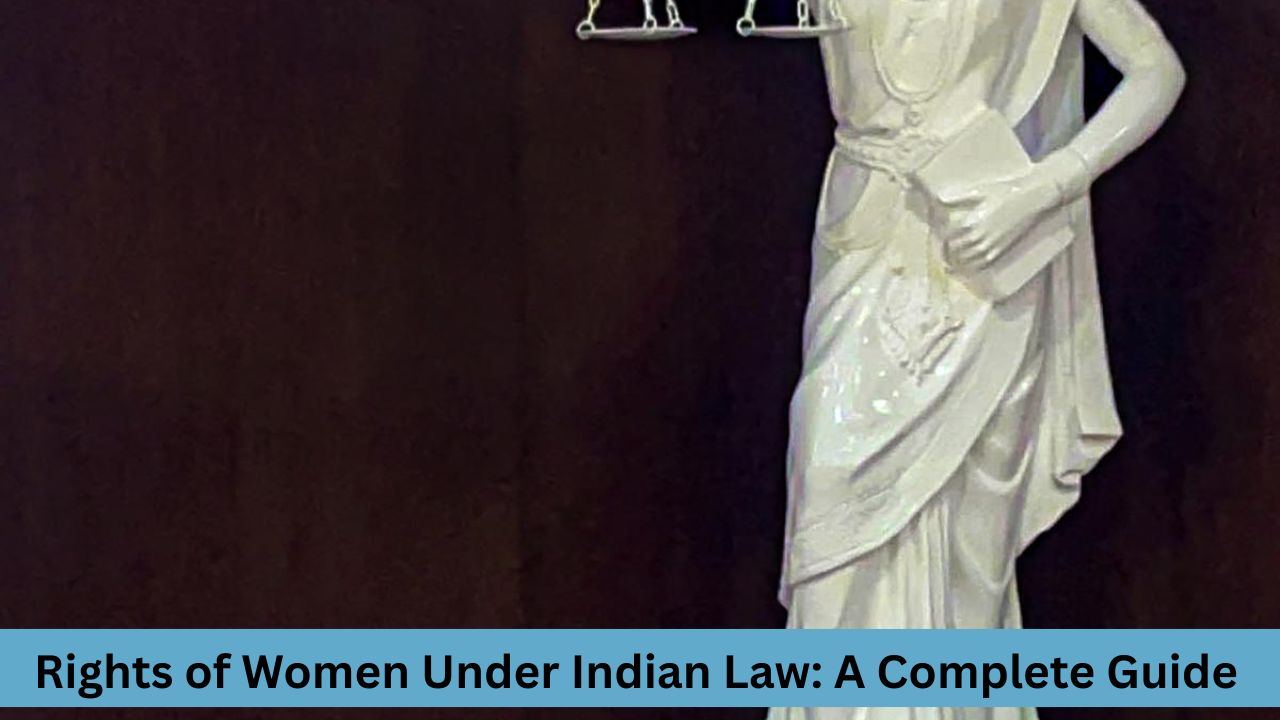
The rights of women under Indian law have evolved significantly over the decades, embodying the nation’s commitment to gender equality, protection, and empowerment. India’s constitution guarantees fundamental rights to women while multiple laws, schemes, and judicial pronouncements foster social justice and address gender-based discrimination. Despite challenges, these legal frameworks have played a crucial role in improving women’s status across social, economic, political, and personal spheres. This guide provides a comprehensive overview of women’s legal rights in India, covering constitutional guarantees, statutory protections, family laws, workplace rights, and recent reforms.
Constitutional Guarantees for Women
Equality and Non-Discrimination
Article 14 of the Indian Constitution guarantees equality before law and equal protection of laws for all citizens. Article 15 prohibits discrimination on grounds of sex, among other factors. These provisions form the bedrock for protecting women against discriminatory practices.
Right to Life and Personal Liberty
Article 21 ensures that no woman shall be deprived of life or personal liberty except according to the procedure established by law, underpinning protections against violence and exploitation.
Fundamental Rights to Freedom
Women enjoy the same rights as men under Articles 19 and 21 to freedom of speech and expression, right to assemble, form associations, and move freely.
Directive Principles and Women’s Welfare
Articles 39(a) and 42 direct the State to ensure equal pay for equal work and provide maternity relief, reflecting a commitment to social justice regarding women’s rights.
Statutory Protections Against Violence and Discrimination
The Protection of Women from Domestic Violence Act, 2005 (PWDVA)
This law provides civil remedies including protection orders, residence orders, and maintenance for women subjected to domestic violence by family members, covering physical, emotional, sexual, and economic abuse.
The Sexual Harassment of Women at Workplace (Prevention, Prohibition and Redressal) Act, 2013
A landmark legislative measure, it mandates employers to establish Internal Complaints Committees to redress complaints of sexual harassment and ensure a safe working environment.
The Dowry Prohibition Act, 1961
Dowry demand and harassment are criminal offenses under this act, aiming to eradicate the social evil of dowry associated violence and exploitation.
The Prohibition of Child Marriage Act, 2006
Prohibits marriages below the legal age (18 for women), empowers courts to nullify child marriages, and protects girl children from early marriages.
The Criminal Laws Related to Sexual Offenses
The Indian Penal Code contains sections related to crimes against women, including rape (Section 375), molestation, trafficking, and acid attacks, with stringent punishments.
Family Laws Governing Women’s Rights
Marriage and Divorce
Personal laws based on religion govern marriage and divorce. Hindu law grants women rights to divorce, maintenance, and alimony through the Hindu Marriage Act, 1955. Muslim personal law also allows women rights under the Muslim Women (Protection of Rights on Divorce) Act, 1986.
Inheritance and Property Rights
Hindu Succession Act, 1956, after amendments in 2005, grants equal inheritance rights to daughters in ancestral property. Muslim, Christian, and Parsi personal laws vary but provide women with certain property rights.
Maintenance and Custody
Laws require husbands and parents to provide maintenance to wives and children. Custody laws ensure the welfare of the child with courts determining custody based on best interests.
Economic and Workplace Rights
Equal Pay and Employment Opportunities
Under Articles 14 and 16 of the Constitution and the Equal Remuneration Act, 1976, women are entitled to equal pay for equal work and protection from discrimination in employment.
Maternity Benefits
The Maternity Benefit Act, 1961, guarantees paid maternity leave, nursing breaks, and job security during and after pregnancy.
Reservation and Empowerment Initiatives
While reservations for women exist mainly in local government bodies (panchayats and municipalities) under the 73rd and 74th Constitutional Amendments, there are ongoing debates for extending reservations in legislative bodies.
Social Security and Welfare Schemes
The government runs various schemes like Beti Bachao Beti Padhao, One Stop Centres for victims of violence, and financial assistance programs to empower women socio-economically.
Recent Legal Reforms and Judicial Pronouncements
Criminal Law Amendments
Post-2012 Nirbhaya case reforms strengthened laws against sexual offenses, increased punishments, and introduced fast-track courts.
Right to Privacy and Dignity
Landmark Supreme Court rulings affirm women’s rights to privacy, bodily autonomy, and choice, advancing gender equality and sexual rights.
Decriminalization of Adultery
The Supreme Court struck down Section 497 IPC that criminalized adultery in 2018, recognizing women’s right to equality and autonomy.
Ongoing Challenges and Future Directions
Legal Literacy and Enforcement
Despite robust laws, awareness remains low among many women, and enforcement gaps persist due to social stigma, procedural delays, and resource constraints.
Intersectionality and Marginalized Women
More sensitive policies are needed to protect women facing overlapping discrimination due to caste, tribe, class, disability, or sexual orientation.
Demand for Uniform Civil Code
Discussions continue around a Uniform Civil Code to standardize personal laws and ensure gender justice across communities.
Conclusion
Indian law accords women a comprehensive set of rights that span constitutional guarantees, protective statutes, family law, and workplace safeguards. These legal frameworks reflect India’s commitment to achieving gender equality and protecting women from violence and discrimination. While challenges of awareness, accessibility, and social practices remain, progressive reforms and judicial activism continue pushing the boundaries toward fuller realization of women’s rights. For India to flourish as a truly inclusive democracy, constant vigilance, education, and community participation are essential to uphold and advance the rights of women everywhere.

Abhinav Jain is a legal researcher and writer passionate about simplifying complex laws for everyday readers. With a keen interest in Indian constitutional, civil, and digital laws, he focuses on creating accessible, well-researched articles that promote legal awareness among students, professionals, and citizens alike.