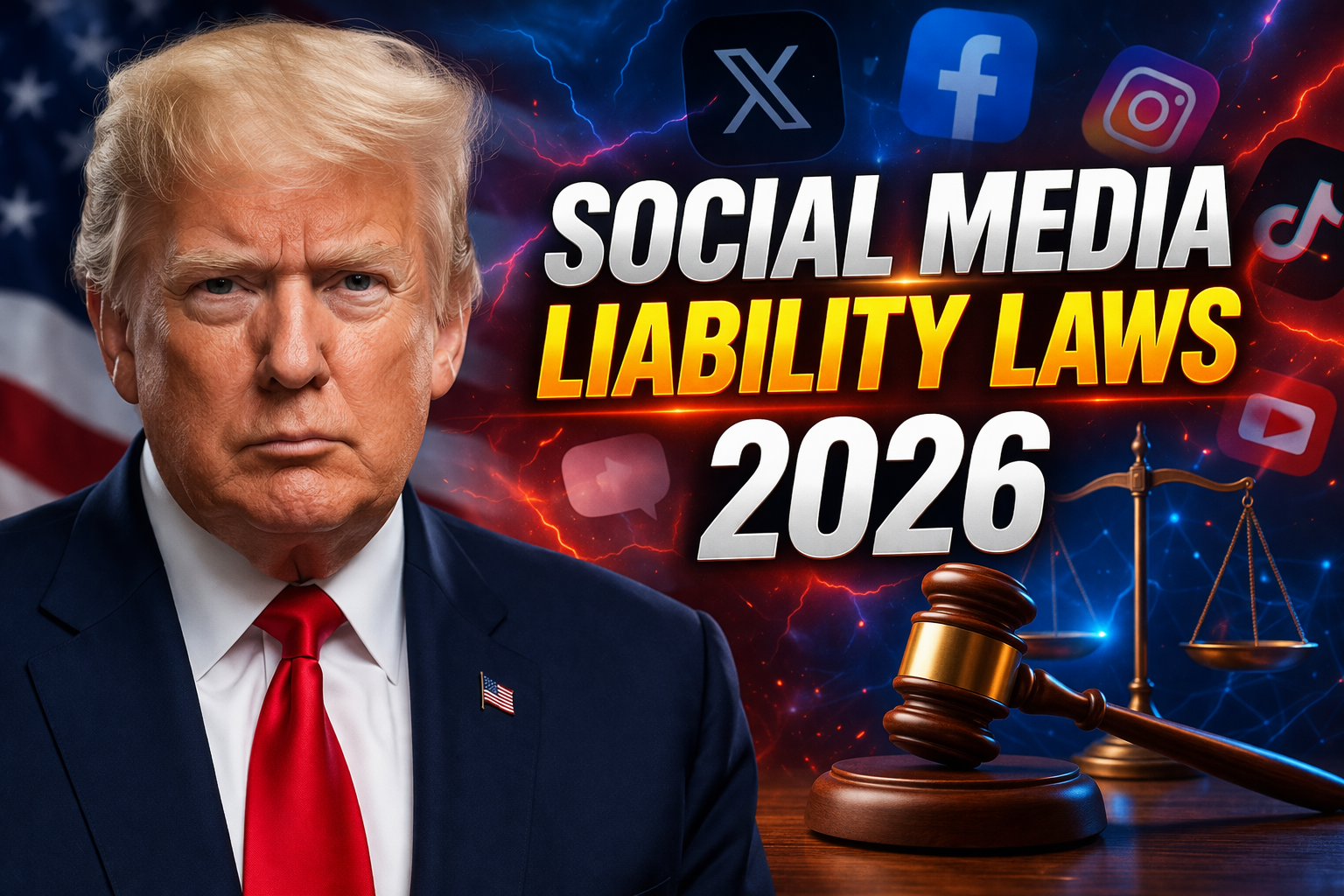
A New Mexico jury delivered a landmark verdict on March 24, 2026, holding Meta Platforms liable for violating state consumer protection laws by misleading users about child safety risks on Facebook and Instagram. The $375 million penalty marks the first major courtroom loss piercing social media’s Section 230 shield, igniting debates over platform accountability amid a wave of similar suits nationwide.
Case Origins
New Mexico Attorney General Raúl Torrez filed suit in October 2023, alleging Meta’s platforms enabled child sexual exploitation through addictive algorithms and inadequate safeguards. Investigators accessed internal documents via subpoenas, revealing executives ignored staff warnings on predator grooming and mental health harms to minors. The case bypassed Section 230 by targeting Meta’s representations—not user content—claiming deceptive trade practices under the Unfair Practices Act.
Plaintiffs highlighted Instagram’s “connectivity” features proliferating harmful contacts, with 208,700 underage users in New Mexico alone. Filed in Santa Fe state court, it survived Meta’s dismissal motions, reaching trial February 9 after nearly seven weeks of testimony.
Trial Arguments
Prosecutors, led by Linda Singer, argued Meta prioritized engagement metrics over safety, hiding known risks like sextortion and self-harm promotion. Witnesses included former employees testifying to suppressed reports and teens recounting exploitation. Singer sought maximum $5,000 per violation per minor user—$2 billion total across two counts.
Meta countered: platforms invest $5 billion yearly in safety tools, underage accounts restricted, and no safety guarantees promised. Attorneys stressed parental controls, content removal (99% of child exploitation reports actioned), and First Amendment protections. They disputed addiction claims, framing harms as inevitable online risks.
Jury Findings
After five days of deliberations, the jury found Meta liable on both counts: deceptive practices concealing predator risks and unconscionable conduct harming mental health. Penalty settled at $375 million—below the $2 billion ask but historic. Jurors rejected Meta’s safety claims, citing internal emails showing profit overrides.
A separate judicial phase looms on injunctive relief, potentially mandating algorithm audits or age-verification overhauls.
Section 230 and Liability Shift
Section 230(c)(1) traditionally immunizes platforms from third-party content liability. New Mexico sidestepped via consumer protection statutes targeting Meta’s own statements and designs. Verdict echoes 2025 Texas ruling against TikTok, signaling courts’ willingness to carve exceptions for youth harms.
Legal scholars predict erosion: states like California and New York prep similar suits. Meta vows appeal to federal circuits, arguing state overreach.
Broader 2026 Lawsuits
This trial pioneers 50+ state AG actions post-2023 bipartisan outrage. California’s federal jury deliberates Meta/YouTube parental suits; Tennessee enforces age limits via KOSA-like laws. Federal Kids Online Safety Act stalls in Senate amid free speech fights.
Outcomes cascade: Snapchat faces Texas predation claims; ByteDance’s TikTok ban pressures child features.
Meta’s Response
CEO Mark Zuckerberg called the verdict “misguided,” pledging appeals while touting teen protections: default private accounts, nudity blockers, and suicide report tools. Platforms already limit minors’ DMs from adults and cap addictive reels. Spokeswoman urged legislative clarity over “hindsight lawsuits.”
Stock dipped 2% post-verdict; analysts eye $500 million reserves for copycats.
Key Statistics and Data Tables
New Mexico user impacts:
| Platform | Under-18 Users | Violations Counted | Max Penalty Sought |
|---|---|---|---|
| 150,000 | 208,700 total | $1.04B | |
| 58,700 | $1.04B | ||
| Total | 208,700 | $2.08B |
Verdict breakdown:
| Violation | Finding | Penalty Portion |
|---|---|---|
| Deceptive Safety Claims | Liable | $200M |
| Mental Health Harms | Liable | $175M |
| Total | $375M |
National litigation pipeline:
| State | Target Platforms | Status |
|---|---|---|
| New Mexico | Meta | Verdict: $375M |
| California | Meta/YouTube | Jury deliberating |
| Texas | TikTok/Snap | Trial June 2026 |
| Multi-state | All majors | Discovery phase |
Meta safety investments (2025):
| Category | Spend ($B) | Actions Taken |
|---|---|---|
| AI Moderation | 3.5 | 99% CSAM blocks |
| Teen Tools | 1.2 | DM limits |
| Reporting | 0.3 | 24/7 teams |
Industry and Policy Ramifications
Verdict accelerates Section 230 reforms: bills mandate default minor protections, algorithm transparency. Platforms face audit mandates; advertisers eye boycotts. Meta accelerates EU-compliant features stateside.
Experts predict $10B+ industry penalties by 2028, spurring self-regulation or consolidation.
Global Context
Australia’s 2025 Online Safety Act fines platforms for harms; UK’s Age Assurance mandates verification. EU’s DSA enforces risk assessments; Brazil probes similar suits. U.S. lags but accelerates post-verdict.
Conclusion
New Mexico’s $375 million hammer shatters Meta’s impunity facade, validating fears of algorithm-fueled child harms. As copycat cases proliferate, 2026 redefines social media liability—profits yield to protections in the courts of law and public opinion.

Abhinav Jain is a legal researcher and writer passionate about simplifying complex laws for everyday readers. With a keen interest in Indian constitutional, civil, and digital laws, he focuses on creating accessible, well-researched articles that promote legal awareness among students, professionals, and citizens alike.