
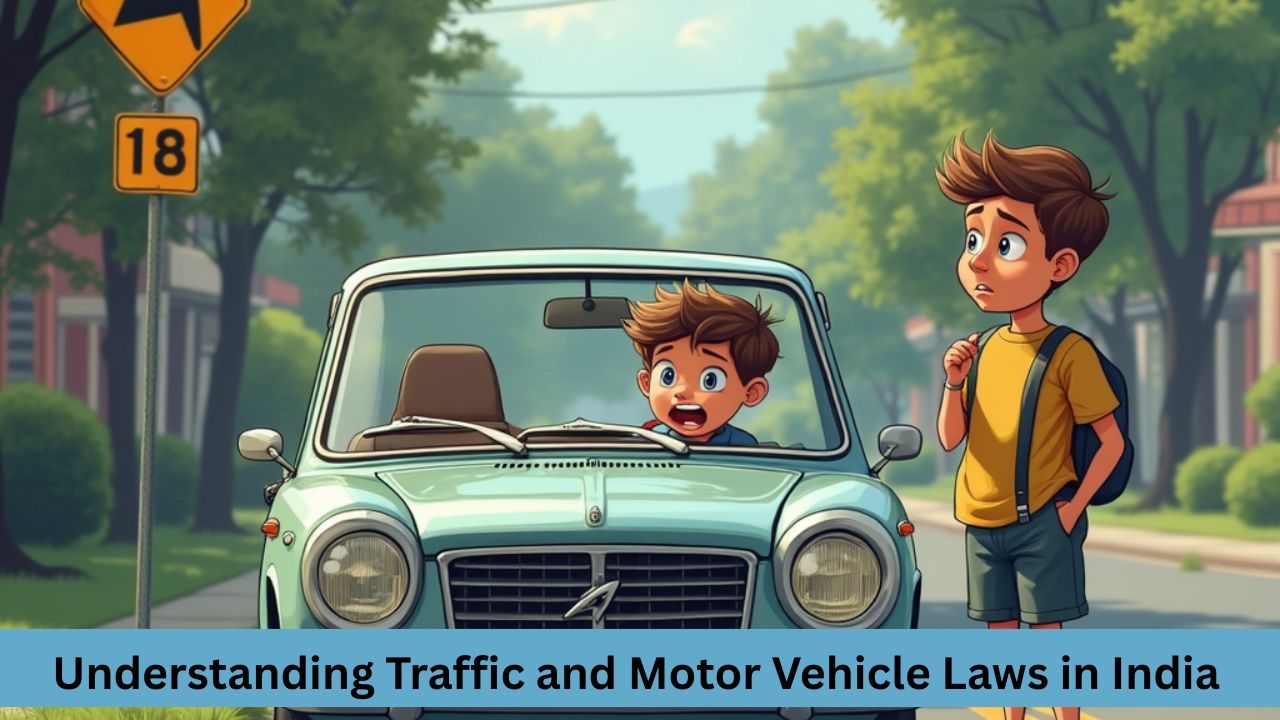
India’s traffic and motor vehicle laws are designed to regulate the movement of vehicles, ensure road safety, and manage traffic efficiently across the country. These laws provide guidelines for licensing, registration, operation, and penalties for violations. Given the rapid increase in vehicle numbers on Indian roads, understanding these laws is critical for every driver, pedestrian, and vehicle owner to promote safer roads and reduce accidents.
Overview of Traffic and Motor Vehicle Laws in India
The Motor Vehicles Act, 1988, stands as the foundational legislation governing road transport vehicles in India. It provides detailed provisions about licensing drivers, registering vehicles, traffic regulations, insurance requirements, and penalties for traffic offenses. Amendments such as the Motor Vehicles (Amendment) Act of 2019 and newer rules implemented in 2025 further strengthen and update these laws to enhance road safety and streamline enforcement.
Road traffic regulations cover everything from speed limits, traffic signals, overtaking rules, to the behavior expected of drivers and pedestrians. The Central Motor Vehicles Rules complement the Act by specifying detailed standards and procedures to be followed nationwide.
Licensing and Registration Requirements
Every driver must obtain a valid driving license after passing a prescribed test. The minimum age and type of license vary based on the vehicle category. The law mandates the registration of all motor vehicles with appropriate Transport Authorities, ensuring vehicles meet safety and pollution standards.
Driving without a license or registration is a punishable offense, with penalties significantly increased in recent years to deter violations.
Rules of the Road and Traffic Regulations
Traffic laws in India prescribe clear rules for:
- Adhering to speed limits differentiated by vehicle type and road conditions
- Observing signal lights, road signs, and markings
- Safe overtaking and lane discipline
- Restrictions on use of mobile phones and other distractions while driving
- Obligations towards pedestrians and emergency vehicles
- Regulations regarding vehicle dimensions, load limits, and permitted routes
Night driving and one-way roads have specific rules that drivers must follow to maintain order and safety.
Important Motor Vehicle Laws and Amendments
The 2019 amendment introduced tougher penalties, mandatory third-party insurance, provisions for body cams on traffic officers, and stricter drink-and-drive laws. The New Motor Vehicle Rules of 2025 further enhanced fines and introduced updated safety norms in response to rising road accidents.
The regulations also address issues such as oversized vehicles, juvenile offenders, and the responsibilities of aggregators like cab services.
Penalties and Fines for Traffic Violations
Penalties under Indian traffic laws vary by the nature of offense. Noteworthy updates have raised fines to deter reckless behavior, including:
| Offense | Penalty (INR) |
|---|---|
| Driving without license | 5,000 |
| Driving after disqualification | Up to 10,000 |
| Overspeeding | 1,000 to 5,000 |
| Drunken driving | Up to 10,000 with imprisonment risk |
| Not wearing helmet/seat belt | 1,000 with possible license suspension |
| Overloading | 20,000 plus additional fees |
| Disobedience of traffic orders | 2,000 |
Serious offenses can lead to license suspension, imprisonment, or both.
Safety Measures and Equipment Mandates
Helmet use for two-wheeler riders, seat belts for four-wheelers, airbags, and vehicle fitness certificates are required by law. Vehicles must pass pollution control norms, and drivers must adhere to safety warnings and road signs.
Emergency lane regulations require drivers to give way to ambulances and fire services promptly to save lives during critical moments.
Insurance and Liability
Third-party insurance is mandatory for all motor vehicles. This law ensures compensation for accident victims from the insurer if the responsible party cannot pay. Driving without insurance incurs strict penalties.
Liability extends to vehicle owners, drivers, and even guardians in case of juvenile offenses.
Role of Authorities and Enforcement
Traffic police and Regional Transport Offices (RTO) enforce licensing, registration, and compliance with traffic rules. The introduction of body cams and digital monitoring aims to curb corruption and improve accountability.
Enforcement includes issuing challans (fines), vehicle impoundment, license suspension, and court proceedings in severe cases.
Challenges and Issues in Indian Traffic Laws
Despite the robust laws, challenges persist:
- Traffic congestion and overcrowding on urban roads
- Non-compliance with lane discipline and signals
- Poor road infrastructure contributing to accidents
- Limited awareness among drivers about updated laws
- Delay in prosecution and overloaded judicial systems
Addressing these requires better implementation, public education, and infrastructure development.
Recent Changes and Trends in Motor Vehicle Laws
The Government of India introduced several changes in 2025 to enhance road safety:
- Increased fines and penalties to deter violations
- Mandatory vehicle fitness and pollution checks
- Use of technology for monitoring and enforcement
- Provisions addressing ride-sharing and aggregator vehicles
- Strengthened drink-and-drive provisions with harsher punishments
There is also growing emphasis on digitization, with online portals simplifying vehicle registration and license issuance.
Tips for Drivers to Comply with Traffic Laws
- Always carry your license, registration, and insurance documents
- Observe speed limits and avoid aggressive driving
- Wear helmets or seat belts as required
- Avoid phone use or distractions while driving
- Follow signals, pedestrian crossings, and road signs carefully
- Do not drive under the influence of alcohol or drugs
- Renew vehicle fitness certificates and insurance on time
Conclusion
Traffic and motor vehicle laws in India form the backbone of road safety and regulation. With over a billion people and millions of vehicles, these laws strive to protect lives and property while facilitating smooth traffic flow. Drivers, riders, and vehicle owners play a critical role by following the rules and practicing responsible behavior on the road. Recent legal updates reflect the government’s commitment to safer roads and stricter enforcement, marking a positive step towards reducing accidents and enhancing compliance across India.

Abhinav Jain is a legal researcher and writer passionate about simplifying complex laws for everyday readers. With a keen interest in Indian constitutional, civil, and digital laws, he focuses on creating accessible, well-researched articles that promote legal awareness among students, professionals, and citizens alike.