
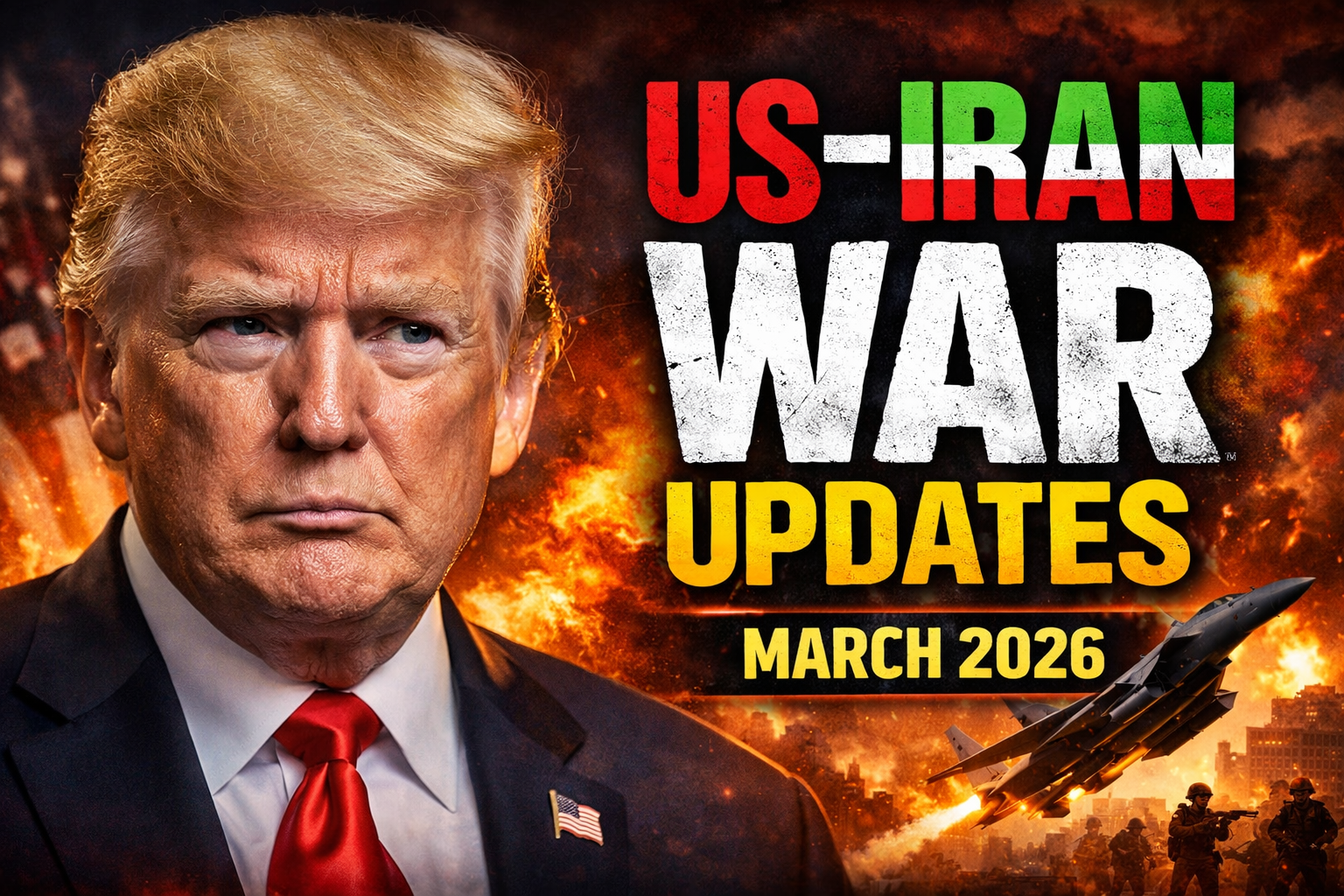
The escalating conflict between the United States and Iran has reached a critical juncture in March 2026, with President Donald Trump authorizing a precision strike on Iran’s vital Kharg Island oil terminal. This bold move aims to cripple Tehran’s economic lifeline amid intensifying military exchanges. As global oil prices skyrocket, the world watches with bated breath, fearing broader repercussions for energy markets and international stability.
Introduction
Tensions between the United States and Iran have simmered for decades, fueled by nuclear ambitions, regional proxy wars, and ideological clashes. Under President Trump’s second term, these frictions erupted into open conflict following failed nuclear negotiations and provocative actions from both sides. The strike on Kharg Island marks a pivotal escalation, targeting the hub that handles nearly all of Iran’s oil exports.
This strategic island in the Persian Gulf pumps out millions of barrels daily, generating revenue that funds Iran’s military and regional influence. Disrupting it sends a clear message: the U.S. will not tolerate threats to global energy security or its allies. As smoke rises from the facility, oil prices have surged past critical thresholds, impacting economies from New York to New Delhi.
Background of the Conflict
The roots of this war trace back to early 2026, when U.S.-Israeli airstrikes targeted Iranian nuclear sites and leadership after talks collapsed in Geneva. Supreme Leader Ali Khamenei was among the high-profile casualties, plunging Iran into chaos and triggering retaliatory missile barrages. President Trump, fresh from his inauguration, deployed carrier strike groups like the USS Gerald R. Ford to the region, signaling unwavering resolve.
Iran responded by mining the Strait of Hormuz, a chokepoint for one-fifth of the world’s oil. U.S. Central Command countered by neutralizing Iranian minelayers, but Tehran’s asymmetric tactics—drones, cyberattacks, and proxy militias—continued to harass shipping lanes. By mid-March, the conflict had claimed hundreds of lives, including U.S. service members in Kuwait, hardening Trump’s stance.
Domestic unrest in Iran, with protests against the regime, provided a backdrop for U.S. rhetoric framing the strikes as support for the Iranian people. Trump’s administration views the war as a necessary preemption against a nuclear-armed adversary, echoing his “peace through strength” doctrine.
The Kharg Island Strike
On March 14, 2026, U.S. forces executed Operation Gulf Thunder, a coordinated assault on Kharg Island using stealth bombers and submarine-launched missiles. President Trump personally approved the order from the Situation Room, citing intelligence that Iran was using the terminal to fund attacks on U.S. assets. The strike damaged key loading platforms and storage tanks, halting exports overnight.
Eyewitness accounts describe fiery explosions illuminating the night sky, with secondary blasts from ignited crude oil. Iranian state media decried it as “economic terrorism,” while U.S. officials reported minimal civilian casualties due to precision targeting. This operation follows earlier hits on nuclear facilities, aiming to degrade Iran’s war machine without a full ground invasion.
Military analysts praise the tactical execution, which involved electronic warfare to jam Iranian defenses. The island’s vulnerability—its flat terrain and concentration of infrastructure—made it an ideal target, but risks of environmental disaster loom large with oil slicks threatening Gulf marine life.
Impact on Global Oil Markets
The strike triggered an immediate spike in oil prices, with Brent crude jumping over 30 percent to record highs above $150 per barrel. Kharg Island accounts for about 90 percent of Iran’s oil shipments, and its disruption has tightened supply chains already strained by Hormuz threats. Trading floors in London and New York buzzed with panic selling of equities and hoarding of futures contracts.
| Oil Price Benchmarks | Pre-Strike Price | Post-Strike Price | Percentage Surge |
|---|---|---|---|
| Brent Crude | $110/barrel | $145/barrel | 32% |
| West Texas Intermediate | $105/barrel | $140/barrel | 33% |
| Dubai OPEC Basket | $108/barrel | $142/barrel | 31% |
This table illustrates the sharp volatility, with Asian markets hit hardest due to proximity. Refineries from India to Japan face shortages, prompting emergency releases from strategic reserves. Long-term, sustained conflict could push prices toward $200, reminiscent of past oil shocks but amplified by modern demand.
Consumers worldwide feel the pinch: gasoline prices in the U.S. have soared 50 cents per gallon in days, while European diesel costs strain trucking industries. OPEC+ nations like Saudi Arabia ramp up production to offset losses, but their spare capacity offers limited relief against geopolitical uncertainty.
Reactions from Key Players
President Trump addressed the nation, declaring the strike a “decisive blow” against Iranian aggression and vowing no escalation unless provoked. Defense Secretary Pete Hegseth echoed this, stating U.S. forces stand ready to defend allies like Israel and Saudi Arabia. Iran’s interim leadership, under Mojtaba Khamenei, vowed retaliation, threatening full Hormuz closure.
Israel, a co-belligerent, lauded the operation as essential to regional security. Prime Minister Netanyahu highlighted joint intelligence that pinpointed Kharg’s role in funding Hezbollah. Saudi Crown Prince Salman, backed by U.S. assurances, positioned forces to counter Iranian proxies, signaling a budding Sunni alliance.
Russia and China condemned the strike at the UN, with Moscow supplying Iran drones and Beijing buying discounted oil to undercut sanctions. European leaders urged de-escalation, fearing refugee waves and inflation spikes.
Strategic Implications
Militarily, the U.S. holds air and naval superiority, but Iran’s missile arsenal and proxies pose ongoing threats. Destroying Kharg weakens Tehran’s finances—oil revenue funds 40 percent of its budget—but could galvanize hardliners. A prolonged campaign risks U.S. casualties climbing into the dozens, testing public support.
Economically, the oil surge benefits producers like Texas and Russia but hammers importers. Inflation could climb 2-3 percentage points globally, derailing recoveries. Environmentally, Gulf spills threaten fisheries and desalination plants critical to millions.
Geopolitically, this war reshapes alliances: NATO’s southern flank activates, while BRICS nations court Iran. Trump’s timetable suggests a four-week wrap-up, but Iranian resilience may prolong the fight.
Economic Fallout Worldwide
Beyond oil, stock markets plunged 5-7 percent, with energy giants like Exxon gaining while airlines cratered. Supply chain snarls hit everything from plastics to fertilizers, as petrochemicals derive from crude. Developing nations like India, reliant on Iranian imports, face balance-of-payments crises.
| Sector | Immediate Impact | Long-Term Risk |
|---|---|---|
| Transportation | Fuel costs up 40% | Route diversions add 20% to shipping |
| Manufacturing | Raw material shortages | Production halts in 2-4 weeks |
| Consumer Goods | Price hikes on essentials | Inflation erodes purchasing power |
This table underscores cascading effects, with food prices rising due to transport costs. Central banks signal rate pauses, but recession fears mount.
Humanitarian Concerns
Civilian tolls mount: Iranian reports claim over 1,300 deaths from airstrikes, with hospitals overwhelmed. Displaced families flee border regions, straining Turkey and Iraq. U.S. losses stand at a handful, but morale dips amid Iranian psyops.
Aid groups like the Red Crescent struggle against blockades, warning of famine if exports remain offline. Protests in Tehran demand peace, but regime crackdowns intensify.
Looking Ahead
The Kharg strike could force Iran to negotiate from weakness, reviving talks on neutral ground. Yet, Tehran’s vow to “bleed the enemy” suggests more pain ahead. Global powers must balance deterrence with diplomacy to avert a wider war.
President Trump’s gamble hinges on swift victory, but history cautions against underestimating Iran. As oil flows falter, the world grapples with scarcity’s harsh lessons. Stability demands resolve matched with restraint—outcomes remain uncertain in this high-stakes chess game.

Abhinav Jain is a legal researcher and writer passionate about simplifying complex laws for everyday readers. With a keen interest in Indian constitutional, civil, and digital laws, he focuses on creating accessible, well-researched articles that promote legal awareness among students, professionals, and citizens alike.