
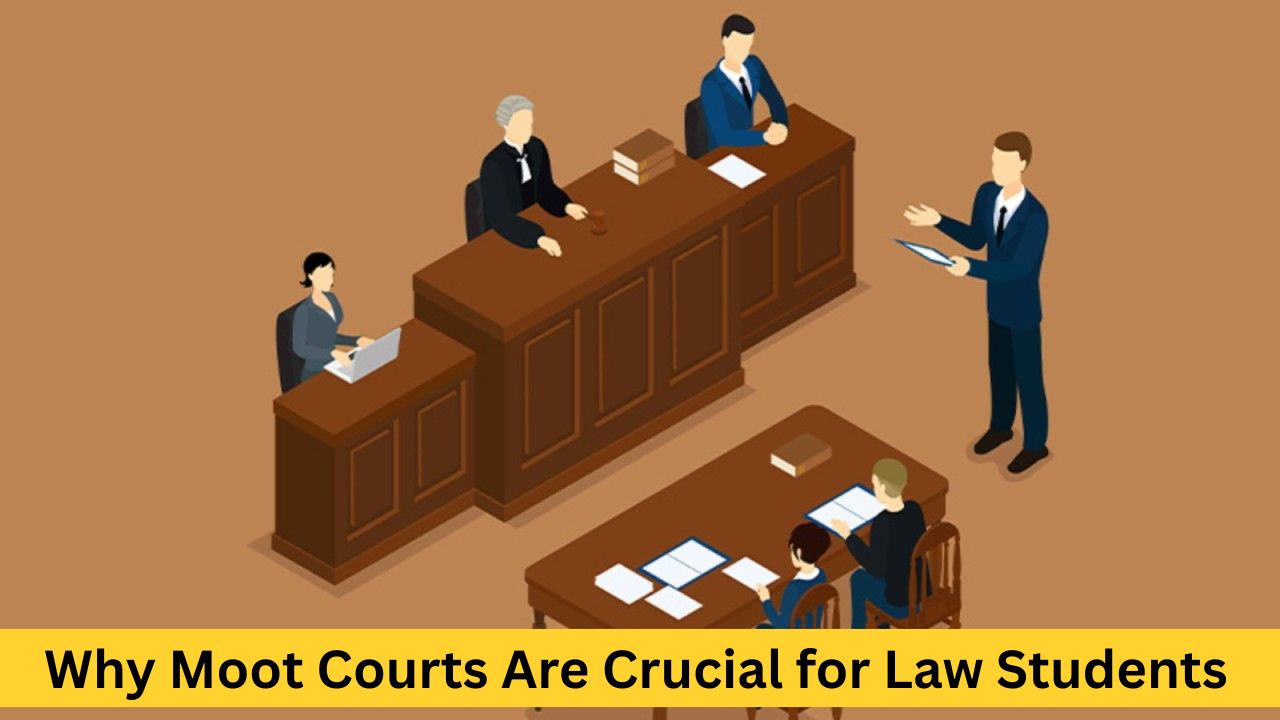
Law school is renowned for its rigorous academic environment, preparing students to interpret statutes, analyze case law, and make reasoned arguments. Yet, traditional classroom settings cannot fully capture the dynamic complexities of actual legal practice. This is where moot court comes in—a revered tradition designed to mimic real judicial proceedings and provide students with a hands-on, transformative education. For both novice and advanced law students, participation in moot courts is more than co-curricular—it is a fundamental bridge to professional competence and confidence.
Understanding Moot Courts
What Is a Moot Court?
A moot court is a simulated courtroom where law students argue imaginary cases as if they were before a real appellate bench. Unlike mock trials, which focus on trial advocacy and witness examination, moot courts emphasize appellate advocacy, legal reasoning, and statutory interpretation. Students present legal arguments, respond to judges’ questions, and submit written briefs, all in accordance with advanced procedural and substantive legal standards.
Core Components of Moot Court Competitions
Moot courts typically comprise three primary roles:
- Petitioners (or appellants): Students representing the party seeking relief.
- Respondents: Students defending the position or judgment being challenged.
- Judges: Senior peers, faculty, or practicing lawyers who evaluate performance.
Competition rounds often involve complex legal problems inspired by real-world disputes, requiring participants to research extensively, draft compelling written submissions, and articulate persuasive oral arguments.
Practical Skills Developed Through Moot Courts
Legal Research and Writing
One of the foremost benefits of moot court is the emphasis on legal research and writing. Students must comb through statutes, judicial precedents, and scholarly articles to craft nuanced arguments. Powerful research skills are essential for drafting persuasive briefs, which form the backbone of successful appellate advocacy.
Oral Advocacy Skills
Standing before a panel and presenting arguments is central to the moot court experience. Students learn to:
- Structure oral submissions logically
- Answer pointed questions on the spot
- Maintain composure under pressure
- Articulate positions clearly and succinctly
This immersive practice builds confidence and sharpens rhetorical abilities—competencies that are vital for any future litigator.
Critical Thinking and Analytical Reasoning
Moot court problems are designed to be multidimensional, requiring students to think critically and anticipate counter-arguments. Participants hone their analytical skills by identifying legal issues, developing alternative interpretations, and reconciling conflicting precedents. This systematic problem-solving ability is indispensable in both the courtroom and broader legal practice.
Real-world Exposure: Bridging Theory and Practice
Simulated Courtroom Experience
Moot courts provide a unique opportunity for students to experience the atmosphere and protocol of actual judicial proceedings. They learn:
- How to address a bench
- How to structure legal arguments according to procedural rules
- The value of etiquette and respect in formal court environments
Such exposure demystifies the trial and appellate processes and fosters a practical understanding that textbooks alone cannot offer.
Exposure to Different Areas of Law
Many moot court problems span various legal domains—constitutional law, international law, intellectual property, and criminal law. As students delve into diverse cases, they gain exposure to multiple disciplines, helping them discover areas of personal interest and specialization.
Networking, Confidence, and Career Opportunities
Building Professional Connections
Moot court tournaments bring together students, faculty, practicing lawyers, and judges. These competitions frequently serve as platforms for:
- Networking with peers and mentors
- Receiving feedback from experienced professionals
- Accessing internship opportunities and career pathways
Connections made in moot courts often extend beyond academic settings, serving as introductions to professional circles and future colleagues.
Enhancing Confidence and Public Speaking
Repeated exposure to public speaking, advocacy, and professional critique fosters enormous personal growth. Many students report increased self-esteem, adaptability, and poise—qualities that are highly regarded in legal and business environments alike.
Career Impact
From law firms to corporate legal departments and public service, recruiters value moot court participation as evidence of practical expertise and commitment. Alumni testimonies suggest that moot court achievements often serve as tie-breakers during recruitment processes, reflecting readiness for challenging roles.
Moot Court Achievements: Data and Trends
Participation Statistics
With the rise in legal education standards, moot court participation rates have increased steadily over the past decade. In prominent law schools, up to 80% of candidates engage in at least one moot court event during their studies.
Impact on Placement and Internships
Surveys indicate that students with moot court experience are approximately 40% more likely to secure internships with top-tier law firms compared to their non-participating peers. Employers frequently cite oral advocacy, research acumen, and teamwork as standout competencies.
Tabular Information: Moot Court vs. Traditional Learning
| Aspect | Moot Court Experience | Traditional Classroom Learning |
|---|---|---|
| Legal Research | Advanced, practical | Theoretical, textbook-based |
| Oral Advocacy | Regular, competitive | Seldom, limited to presentations |
| Judicial Protocol | Simulated, hands-on | General discussion |
| Networking Opportunities | Direct with professionals | Limited to peers/instructors |
| Career Placement | Higher likelihood of work | Lower practical exposure |
| Confidence and Communication | High improvement reported | Moderate improvement |
Challenges and Solutions in Moot Courts
Accessibility and Inclusivity
While moot courts offer invaluable opportunities, not all students have equal access:
- Some may face resource limitations (e.g., lack of legal databases, travel budgets for competitions).
- Others may struggle with language fluency or stage fright.
To mitigate these issues, law schools can introduce practice rounds, mentorship programs, and digital resources, thus democratizing participation.
Overcoming Resource Constraints
Efforts are being made globally to increase moot court accessibility, including:
- Online competitions and remote judging
- Financial aid for travel and materials
- Workshops to support first-time participants
These initiatives serve to level the playing field, maximizing the benefits derived from moot court participation across socio-economic backgrounds.
Conclusion
Moot courts are far more than academic exercises—they are dynamic laboratories that mold law students into skilled, confident professionals ready for real-world challenges. By combining rigorous research, persuasive advocacy, and hands-on courtroom practice, moot courts bridge the gap between theoretical learning and practical application.
As the legal profession grows increasingly complex and competitive, moot courts will remain instrumental in fostering the analytical acumen, communication skills, and ethical awareness that drive successful legal careers. For law students aiming to stand out, participate meaningfully in the profession, and develop lifelong skills, the moot court experience is indispensable.

Abhinav Jain is a legal researcher and writer passionate about simplifying complex laws for everyday readers. With a keen interest in Indian constitutional, civil, and digital laws, he focuses on creating accessible, well-researched articles that promote legal awareness among students, professionals, and citizens alike.