
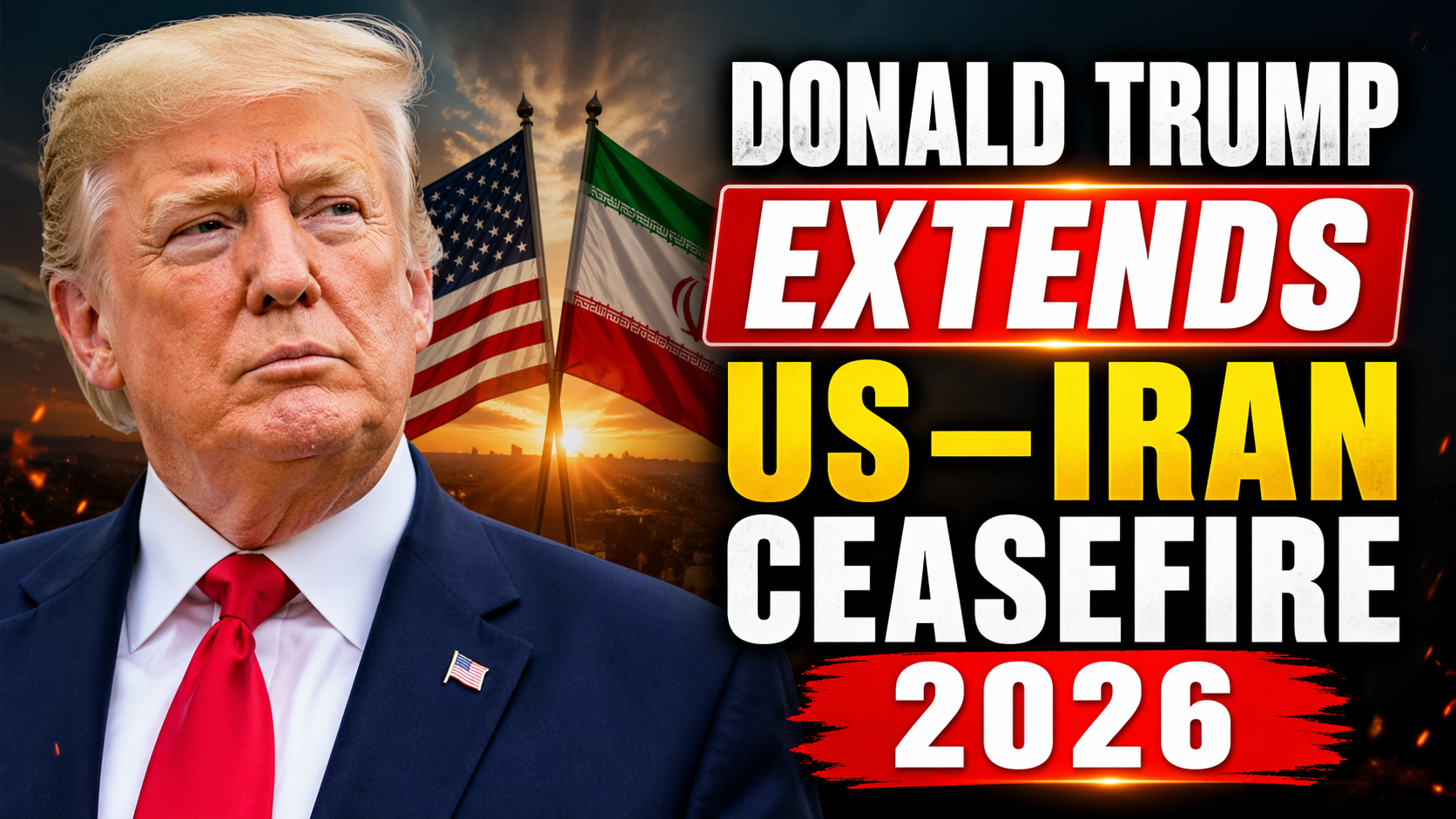
President Donald Trump announced a ceasefire extension with Iran on April 21, 2026, granting precious days to salvage peace talks in Islamabad, Pakistan. After weeks of war that choked global oil flows through the Strait of Hormuz, this move defused immediate threats of renewed strikes. Vice President JD Vance’s shuttle diplomacy, coupled with Pakistan’s mediation, teetered on collapse—yet Trump’s pivot bought time amid volatile markets and battlefield lulls.
The original two-week truce, starting April 7, faced expiry amid stalled negotiations. Iranian officials cited American “bad faith,” while Trump warned of no further delays. This extension, likely 10 days, shifts focus from drones and missiles to conference rooms, with the world watching oil pumps and tankers. Energy security hangs in balance, as reopened straits could steady prices or unleash floods of delayed crude.
Origins of the 2026 Flash War
Tensions boiled over in early March when Iran sealed the Strait of Hormuz, halting 20% of global oil after US assassinations of IRGC commanders. Trump retaliated with precision strikes on energy infrastructure, vowing to dismantle Tehran’s nuclear ambitions and export clout. Cyber ops and naval blockades followed, spiking Brent crude past $100 briefly.
Iran’s missile barrages hit Saudi fields; US carriers enforced no-fly zones. Casualties mounted—thousands dead, millions displaced—while proxies in Yemen and Iraq flared. Pakistan, neutral yet pivotal, offered Islamabad as venue, hosting first direct talks since 1979. The ceasefire paused “energy plant destruction,” per Trump’s social media post, but Hormuz traffic lagged pre-war levels.
Ceasefire Chronology Unpacked
The truce kicked off April 7 evening, Washington time, after 21-hour Islamabad huddles collapsed April 12. Trump initially deemed extension “highly unlikely,” eyeing Wednesday deadline. Yet, as Iranian Parliament Speaker Mohammad Bagher Ghalibaf signaled return if Vance attended, momentum built. Pakistan’s Foreign Minister Ishaq Dar urged restraint, positioning his nation as honest broker.
US demands: full Hormuz reopening, nuclear curbs, delisting of terror proxies. Iran countered: lift sanctions, end assassinations, recognize regional rights. Trump’s April 20 announcement extended dismantling pauses, framing talks as “going very well” despite media “soap opera.”
Inside Islamabad’s Pressure Cooker
Islamabad buzzed with delegations: Vance leading Americans, Ghalibaf for Iran, Pakistani generals facilitating. Security cordons locked down the diplomatic enclave; protests clashed outside. Sessions stretched overnight, tackling Hormuz protocols, sanction relief timelines, and verification via UN observers.
Pakistan’s role amplified—supplying intel, hosting backchannels, balancing ties to both sides. Iranian hesitation stemmed from perceived US stalling; Americans pointed to Tehran’s proxy threats. Breakthrough glimmers included phased tanker escorts and IAEA nuclear snaps, but core rifts persisted. CNN’s Nic Robertson captured the “historic tipping point,” with retired US officers warning of Hormuz minefields.
Trump’s Calculated Gamble
The extension embodies Trump’s dealmaker style—leverage threats, then dangle carrots. Facing domestic pump price fury ($5/gallon peaks), he prioritized markets over total victory. Advisors like JD Vance pushed diplomacy; hawks urged strikes. Bloomberg interviews revealed Trump’s frankness: no endless pauses, but talks merit runway.
Domestically, it blunts midterm attacks; globally, reassures Europe and Asia starved of LNG. Critics decry softness; supporters praise realism. The move echoes Nixon’s Vietnam pauses—tactical, not transformational—yet ties to energy independence pledges via domestic drilling ramps.
Oil Markets in Freefall and Frenzy
The war ignited chaos: Brent surged 10-13% to $80-82 by March, touching $100+ on Hormuz fears. Closure slashed 20 million barrels daily, per IEA—the largest supply hit ever. Traders hoarded; refineries idled; airlines hiked fares. Post-ceasefire, futures retreated as tankers crept through, but volatility reigned—10% daily swings norm.
Citi warned global stocks could drop 900 million barrels even with extension, pressuring OPEC+. US SPR releases cushioned blows, but inventories thinned. Gasoline futures mirrored crude, adding 0.8% to inflation forecasts.
Here’s the market snapshot:
| Period | Brent Avg ($/bbl) | Key Driver | Global Impact |
|---|---|---|---|
| Pre-War (Feb 2026) | $72 | Steady demand | Balanced |
| War Peak (Mar) | $98 | Hormuz Block | +15% gas prices |
| Ceasefire Dip (Apr 8-20) | $85 | Partial reopen | Airfare +20% |
| Extension (Apr 21+) | $78-82 | Talk hopes | Inventory crunch |
| Projected (May) | $75-90 | Deal odds | Recession risk |
Worldwide Economic Tremors
Consumers felt pain: US gas hit $4.50 average; Europe’s $8/gallon sparked strikes. India, China—top importers—tapped reserves, slowing growth. Airlines parked jets; shipping rerouted via Cape. Saudi Arabia pumped overtime, gaining market share; Russia smirked at Western woes.
Allies pressured: Israel urged hardline; NATO sought LNG guarantees. Developing nations faced fuel riots. Positives emerged—US shale boomed, renewables gained urgency. IMF slashed global GDP 0.5 points, citing “greatest energy security challenge.”
Hurdles to Lasting Truce
Distrust festers: Iran eyes US elections; Trump demands verifiable wins. Proxies like Houthis test waters with drone hits. Sanctions relief sequencing stalls—Tehran wants upfront cash, Washington phased compliance. Verification fights loom over IAEA access.
Pakistan’s mediation strains its economy; domestic hardliners on both sides decry compromise. Cyber skirmishes persist, eroding goodwill. Oil traders bet 60% on deal, 40% breakdown—nerves fray with each tanker delay.
Pathways Forward
Optimistic: Hormuz fully reopens by May, nuclear caps via side deals, sanctions ease incrementally. Pessimistic: Talks collapse, strikes resume, $120 oil triggers recession. Middle ground: frozen conflict, partial flows, OPEC+ cuts.
Trump’s vision: grand bargain tying energy to Mideast peace. Long-term: US-Iran détente reshapes alliances, boosts global growth 1-2 points via stable crude.
Critical Milestones
- Hormuz at 80% capacity.
- Nuclear site inspections.
- First sanction waivers.
- Proxy ceasefires verified.
Breathing Room for a Volatile World
Trump’s ceasefire extension marks a diplomatic lifeline amid the 2026 Iran war’s wreckage, centering Islamabad as peace pivot. Oil markets stabilize tentatively, but supply scars linger, reminding all of chokepoint perils. From Washington’s Oval to Tehran’s halls, leaders weigh words against weapons—hoping talks outpace tankers, securing energy flows and futures alike.

Abhinav Jain is a legal researcher and writer passionate about simplifying complex laws for everyday readers. With a keen interest in Indian constitutional, civil, and digital laws, he focuses on creating accessible, well-researched articles that promote legal awareness among students, professionals, and citizens alike.