
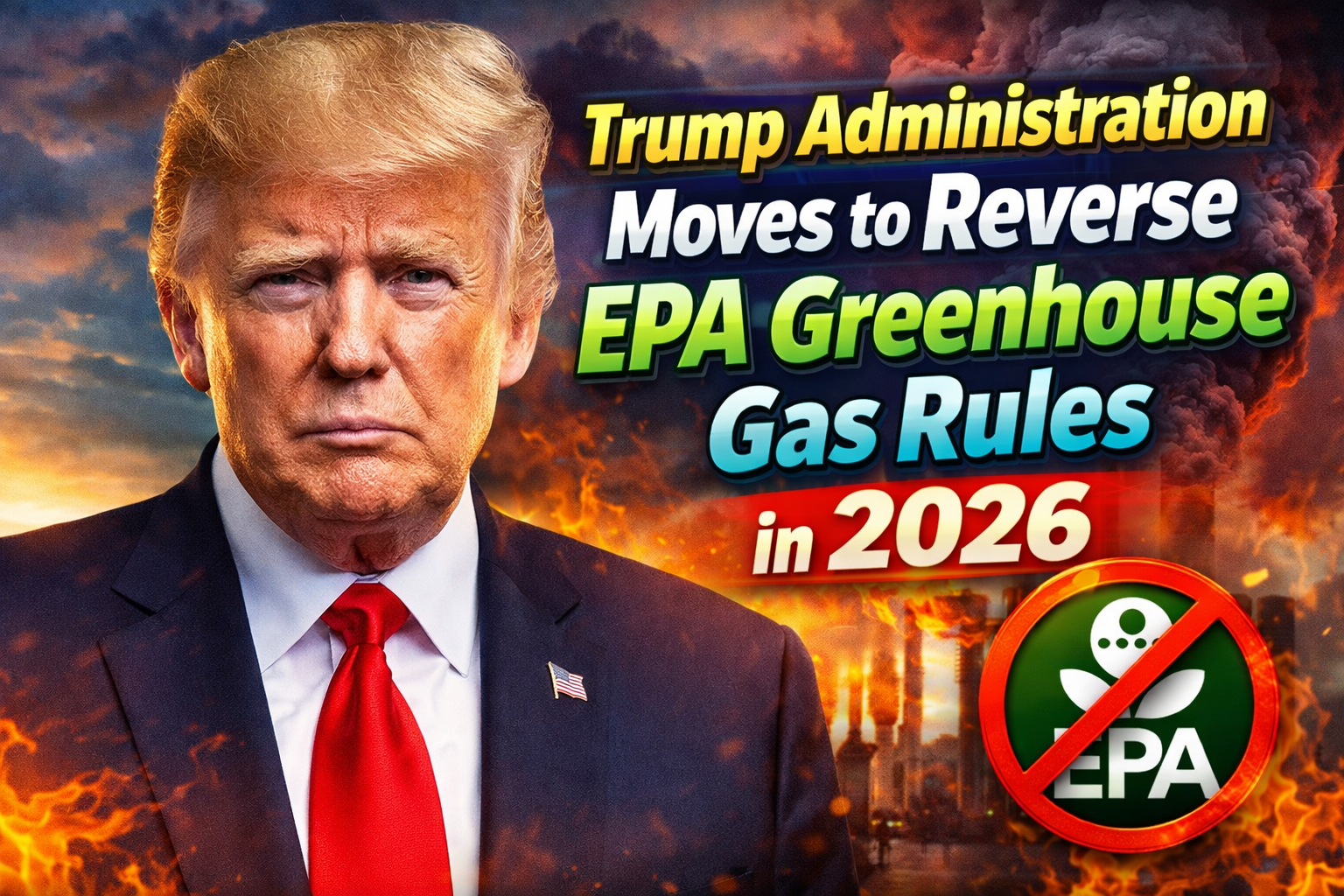
The Trump Administration has launched a bold initiative to dismantle longstanding EPA greenhouse gas regulations, prioritizing American energy dominance and economic growth. This move, centered on revoking the foundational endangerment finding, signals a dramatic pivot from prior climate-focused policies.
Background on Existing Rules
The cornerstone of federal greenhouse gas oversight traces back to a key determination that classified emissions like carbon dioxide and methane as threats warranting Clean Air Act intervention. Established years ago, this finding empowered the EPA to impose limits on vehicles, power plants, and industrial sources, driving mandates for cleaner technologies and fuel efficiency.
These rules shaped national standards, from tailpipe emissions for cars and trucks to controls on coal and natural gas facilities. Transportation emerged as the top emitter, accounting for nearly a third of total output, while power generation followed closely with its reliance on fossil fuels. Over time, these measures spurred investments in electric vehicles and renewable transitions, though critics argued they stifled innovation in traditional energy.
Compliance carried hefty costs for industries, including retrofits for emission capture and shifts toward less profitable vehicle models. The regulations aimed to curb billions of tons of emissions over decades, promising societal benefits like lower fuel costs, yet they drew fire for inflating energy prices and hindering domestic production.
Details of the Reversal Plan
EPA Administrator Lee Zeldin spearheads the effort, proposing to nullify the endangerment finding by asserting the Clean Air Act targets only localized pollutants, not broad climate gases. This legal reinterpretation would strip the foundation for all related rules, with formal announcements tied to White House events for maximum impact.
Targeted rollbacks include vehicle emission standards across light, medium, and heavy-duty categories, alongside power plant limits that required up to nine out of ten emissions captured by the early next decade. Methane rules for oil and gas operations face elimination too, aligning with an executive order unleashing domestic energy resources.
The process unfolds through public comment periods and interagency reviews, but the administration eyes swift implementation, branding it the largest deregulatory action in history. Automakers gain freedom to produce larger, thirstier vehicles without federal penalties, while energy firms anticipate relaxed oversight on operations.
Impacts on Key Sectors
Transportation Sector Shakeup
The transportation overhaul frees manufacturers from stringent fuel economy mandates, projected to slash tens of billions in annual compliance expenses. Heavier trucks and SUVs, which dominate profits, can proliferate without electric vehicle quotas that once aimed for half of sales in the coming years.
Consumers stand to save on vehicle prices and maintenance, as the push for hybrids and electrics wanes. Road travel, the biggest direct emitter, will likely see higher output short-term, but proponents argue market forces will drive efficiency gains without mandates.
| Sector | Pre-Reversal Rules | Post-Reversal Changes | Projected Savings |
|---|---|---|---|
| Light-Duty Vehicles | Strict MPG targets, EV push | No tailpipe GHG limits | $20-30 billion/year |
| Heavy-Duty Trucks | Emission caps by 2030 | Full repeal | $15 billion/year |
| Overall Transport | 50% EV sales goal | Market-driven mix | Reduced fuel costs for drivers |
Power Plant Transformations
Coal and gas plants escape requirements to install costly carbon capture tech, preserving their viability against intermittent renewables. This shift bolsters grid reliability, as baseload fossil power fills gaps left by weather-dependent sources.
Output from these facilities, responsible for a quarter of emissions, surges without caps, supporting industrial demand amid economic expansion. Utilities report boosted bottom lines, with older plants extending lifespans rather than facing premature shutdowns.
Economic and Industry Benefits
Deregulation promises massive windfalls, with estimates pegging annual savings at over fifty billion across sectors. Fossil fuel extraction ramps up under a “drill, baby, drill” mantra, creating thousands of high-wage jobs in drilling, refining, and manufacturing.
Energy independence strengthens, reducing reliance on foreign suppliers and stabilizing prices for households and businesses. Automakers, hit hard by prior rules, rebound with profitable lineups, offsetting tariff pressures through higher-volume sales of popular models.
Smaller manufacturers and rural economies benefit most, as lower energy costs trickle down to agriculture and logistics. The policy dovetails with broader tax cuts and infrastructure pushes, fueling a manufacturing renaissance.
| Industry | Job Gains Estimate | Cost Reduction | Key Winners |
|---|---|---|---|
| Oil & Gas | 100,000+ | $25 billion/year | Extraction firms |
| Automotive | 50,000 | $30 billion/year | Truck/SUV makers |
| Utilities | 30,000 | $10 billion/year | Coal/gas plants |
| Total | 180,000+ | $65 billion/year | Energy consumers |
Environmental and Legal Challenges
Critics decry the moves as a retreat from planetary safeguards, warning of unchecked warming and health risks from localized pollution. Advocacy groups mobilize lawsuits, targeting the EPA’s authority reinterpretation and demanding scientific reaffirmation of emission dangers.
Legal battles loom large, with precedents from past administrations offering ammunition on both sides. States like California, long wielding waiver powers, vow resistance, potentially fragmenting national standards into a patchwork.
Public health angles intensify scrutiny, as soot, mercury, and methane rules also soften. Environmental justice advocates highlight disproportionate impacts on low-income areas near facilities, framing the agenda as prioritizing profits over people.
Global Context
America’s pivot contrasts with Europe’s tightening emissions trading and China’s renewable dominance, yet it positions the U.S. as a fossil fuel exporter powerhouse. Allies in energy-rich nations applaud the reliability boost for global supply chains.
Developing markets gain affordable energy imports, aiding their growth without green mandates. Trump’s strategy bets on technology-driven reductions over regulation, echoing skeptics who view climate pacts as economic shackles.
Internationally, the changes ripple through trade talks, where U.S. leverage grows via abundant resources. Critics abroad predict diplomatic friction, but backers see it as reclaiming sovereignty from unratified accords.
Future Outlook
If finalized, these reversals cement a pro-growth EPA, with Project-inspired blueprints guiding further cuts to wetlands protections and refrigerants. Congressional allies shield against reversals, while Supreme Court leanings favor deregulation.
Innovation in clean coal and advanced nuclear could bridge gaps, maintaining leadership without heavy-handed rules. Watch for midterm elections and state actions shaping the policy’s endurance.
Ultimately, the administration frames this as liberating American ingenuity, betting economic vigor will outpace environmental doomsaying. As implementation unfolds, industries gear up for a freer era, while opponents dig in for protracted fights. The energy landscape transforms, heralding cheaper power and robust growth in the years ahead.

Abhinav Jain is a legal researcher and writer passionate about simplifying complex laws for everyday readers. With a keen interest in Indian constitutional, civil, and digital laws, he focuses on creating accessible, well-researched articles that promote legal awareness among students, professionals, and citizens alike.