
Escalating Tensions in the Strait
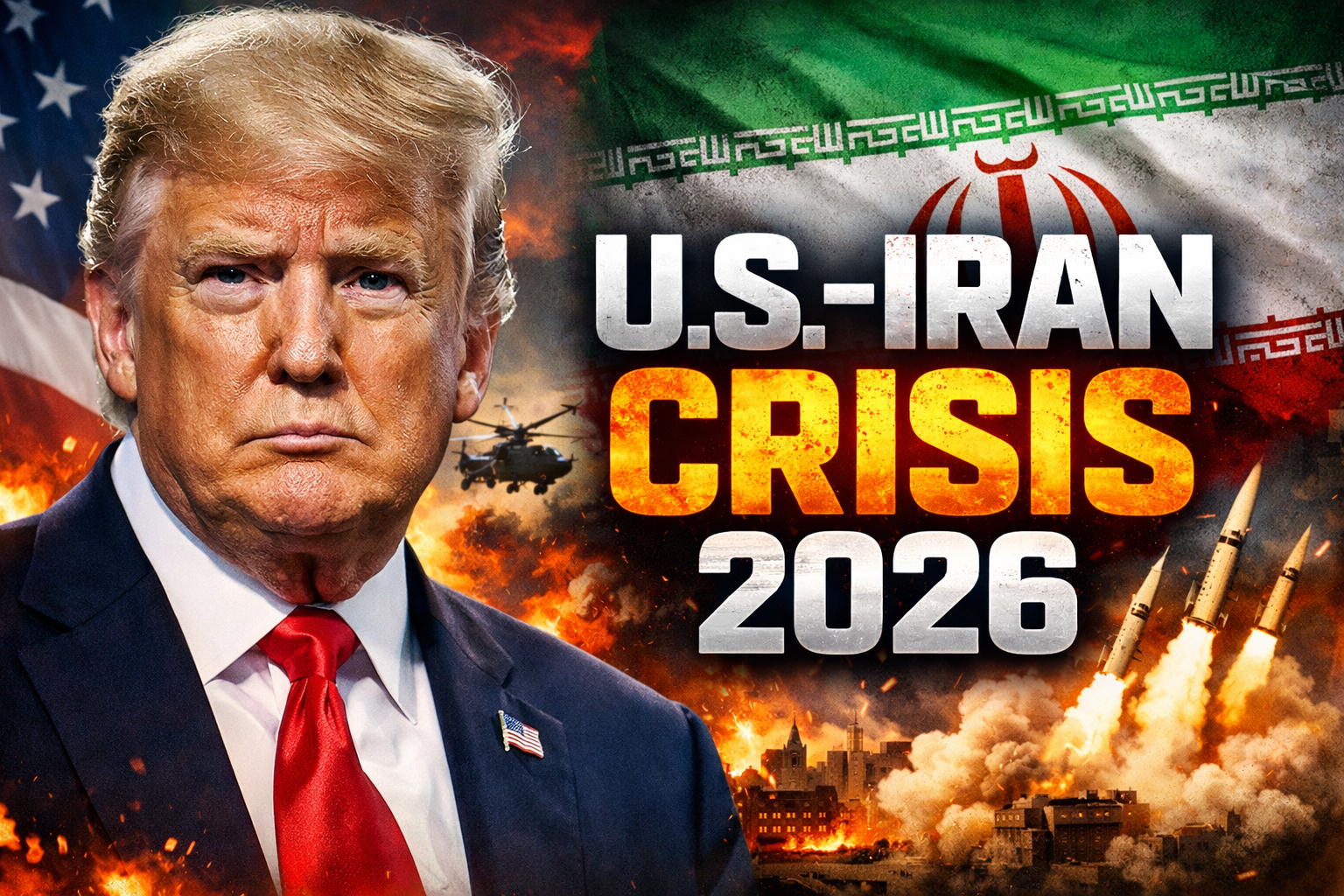
The Strait of Hormuz, a narrow waterway between Iran and Oman, handles about one-fifth of the world’s oil supply daily. In early April 2026, the United States imposed a naval blockade on Iranian ports in response to heightened regional conflicts, including proxy wars and failed diplomatic talks. This move aimed to pressure Tehran over its nuclear activities and support for militias, but it quickly disrupted shipping lanes and spiked energy costs globally.
Iran responded by threatening to close the strait entirely, labeling the blockade an act of war. The incident involving the USS Spruance marked the first direct naval confrontation, turning a simmering standoff into open crisis. As President Donald Trump, reelected and firm on foreign policy, backed the military action, world leaders scrambled to avert a broader war.
Global Stakes at Risk
Markets reacted instantly, with crude oil benchmarks jumping sharply as traders feared prolonged disruptions. Everyday consumers faced higher fuel prices at pumps, while industries from aviation to manufacturing braced for cost hikes. This article delves into the seizure, blockade details, economic fallout, and potential paths forward in this high-stakes drama.
Background of the Crisis
Roots in Long-Standing Rivalries
U.S.-Iran friction dates back decades, fueled by sanctions, nuclear disputes, and Iran’s role in Middle East instability. By 2026, escalating attacks on shipping and U.S. allies prompted Washington to enforce a blockade starting mid-April. The U.S. Navy positioned destroyers and carrier groups to intercept vessels linked to Iran’s military or illicit trade.
Iran, reliant on the strait for its own oil exports, viewed the blockade as economic strangulation. Tehran rallied allies, warning of asymmetric responses like mine-laying or swarm boat attacks. A fragile ceasefire in related conflicts was set to expire soon after the incident, adding urgency.
Key Players Involved
The U.S. 5th Fleet, operating from Bahrain, led the operation. President Trump authorized the blockade to protect navigation freedom, echoing past strategies. Iran’s Islamic Revolutionary Guard Corps Navy (IRGCN) patrols the strait aggressively, often harassing commercial ships. Regional powers like Saudi Arabia and the UAE supported the U.S., while China and Russia criticized the move as provocative.
The USS Spruance Seizure
Dramatic Nighttime Operation
On the night of April 19 into 20, the guided-missile destroyer USS Spruance detected the Iranian-flagged cargo ship Touska attempting to run the blockade in the Gulf of Oman near the strait entrance. U.S. forces issued multiple warnings via radio and signal flares, but the vessel pressed on, prompting defensive action.
Spruance fired precision shots to disable the ship’s propulsion, halting it without sinking. Marines from the 31st Marine Expeditionary Unit fast-roped from helicopters onto the deck, securing the crew and cargo in a swift boarding. Video footage released later showed troops in night vision securing the bridge amid tense standoffs.
Cargo and Strategic Implications
Boarding teams discovered suspected military-grade materials, including drone components and missile fuels, hidden among commercial goods. U.S. Central Command called the action “proportional and professional,” aimed at enforcing the blockade. The Touska now sits under U.S. control, possibly headed to a neutral port like Oman for further inspection.
This marked the first direct seizure in the blockade, after weeks of interceptions. Iran decried it as “armed piracy,” with IRGC commanders vowing retaliation. The event underscored U.S. naval superiority but risked Iranian escalation via proxies or direct strikes.
Strait of Hormuz Blockade Explained
Mechanics of the Naval Enforcement
The U.S. blockade targets Iranian-registered or state-linked ships, creating a de facto no-go zone. Destroyers like Spruance use advanced radar and helicopters for surveillance, while mine countermeasures protect against sabotage. Over two dozen vessels had been turned back prior to the seizure.
Iran countered by sporadically closing lanes, stranding tankers and forcing reroutes around Africa. This chokepoint handles 21 million barrels of oil daily, making any closure catastrophic.
Historical Precedents
Past “Tanker Wars” in the 1980s saw similar U.S.-Iran naval clashes during the Iran-Iraq War. Today’s blockade mirrors those reflagged operations but leverages drones and cyber tools. Legal debates rage over blockade legality under international law, with the U.S. claiming right of visit for security.
Oil Price Surge Impact
Immediate Market Shock
Oil prices erupted post-seizure. Brent crude leaped 7 percent to over $100 per barrel, while West Texas Intermediate hit $103.50, up 54 percent from pre-crisis levels. Wholesale gasoline climbed 6 percent, and heating oil benchmarked for jet fuel rose 10 percent.
| Oil Benchmark | Pre-Crisis Price | Post-Seizure Price | Percentage Surge |
|---|---|---|---|
| Brent Crude | $72 per barrel | $102 per barrel | 40% |
| WTI Crude | $67 per barrel | $103.50 per barrel | 54% |
| Gasoline | $3.20 per gallon | $3.80 per gallon | 19% |
| Heating Oil | $2.50 per gallon | $3.20 per gallon | 28% |
This table illustrates the volatility, driven by fears of total strait closure.
Ripple Effects on Global Economy
Consumers worldwide felt the pinch: U.S. pump prices neared $5 per gallon, Europe’s topped €2.50 per liter. Airlines hiked fares, and shipping firms passed costs to goods. Inflation-weary economies, still recovering from prior shocks, faced renewed pressures.
Developing nations like India, importing 85 percent of oil via the strait, saw currency dips and subsidy strains. Stock markets wobbled initially but recovered as U.S. strategic reserves loomed as a buffer.
Iran’s Response and Retaliation Threats
Tehran’s Outrage and Vows
Iranian state media blasted the seizure, with officials promising “necessary measures.” The IRGC positioned fast-attack craft and submarines, hinting at tit-for-tat seizures or mine deployments. Supreme Leader allies framed it as Zionist-U.S. aggression.
Protests erupted in Tehran, burning U.S. flags. Diplomats rejected talks unless the blockade lifts, complicating UN mediation efforts.
Potential Escalation Scenarios
Iran could unleash proxies like Houthis to hit Saudi facilities or cyberattack refineries. Direct strikes on U.S. ships risk full war, but asymmetric tactics allow deniability. A full strait minefield could halt traffic for months, pushing oil to $150+ per barrel.
Broader Geopolitical Ramifications
U.S. Allies and Adversaries
Gulf states quietly cheered, boosting their oil exports. Israel, amid its conflicts, saw reduced Iranian supply lines. China, Iran’s top buyer, urged de-escalation to secure energy. Russia exploited the chaos, ramping up sales.
NATO discussed support, but Europe prioritized energy diversification.
Economic Warfare Dimensions
The blockade acts as sanctions-plus, crippling Iran’s $80 billion oil revenue. Tehran pivots to barter deals, but reserves dwindle. U.S. shale output ramps up, mitigating some global shortages.
| Affected Economies | Daily Oil Transit Impact | Projected GDP Hit |
|---|---|---|
| China | 5 million barrels | 0.5-1% |
| India | 3 million barrels | 1-2% |
| Europe | 2 million barrels | 0.8% |
| United States | Minimal direct | 0.3% |
This table highlights vulnerability gradients.
U.S. Military and Diplomatic Strategy
Naval Might on Display
The USS Spruance, Arleigh Burke-class, boasts Tomahawk missiles and Aegis defense. Backed by carriers, it projects power. Marines’ boarding drills proved flawless, deterring copycats.
Trump administration eyes quick wins to force negotiations before ceasefire lapses.
Path to De-Escalation
Backchannel talks via Oman persist. Releasing the Touska’s crew could ease tensions. IAEA nuclear inspections might trade for blockade lift. Markets watch for tanker restarts as buy signals.
Future Outlook
Scenarios Ahead
Optimistic: Diplomacy yields truce, oil stabilizes at $90. Pessimistic: Retaliation spirals, prices hit $120, recessions loom. Most likely: Tit-for-tat persists months, with U.S. reserves cushioning.
Global shift accelerates to renewables, renewables, but oil dependence lingers.
Lessons for Energy Security
Diversify routes, stockpile reserves, invest in LNG. The crisis spotlights strait risks, urging pipelines and Arctic shipping.
Conclusion
The USS Spruance seizure crystallized 2026’s U.S.-Iran showdown, blending naval bravado with economic peril. As oil surges reshape budgets, stakeholders pray for restraint. History warns of quagmires, but resolve might yet forge peace. The world watches Hormuz, where chokepoints birth crises—and opportunities.

Abhinav Jain is a legal researcher and writer passionate about simplifying complex laws for everyday readers. With a keen interest in Indian constitutional, civil, and digital laws, he focuses on creating accessible, well-researched articles that promote legal awareness among students, professionals, and citizens alike.