
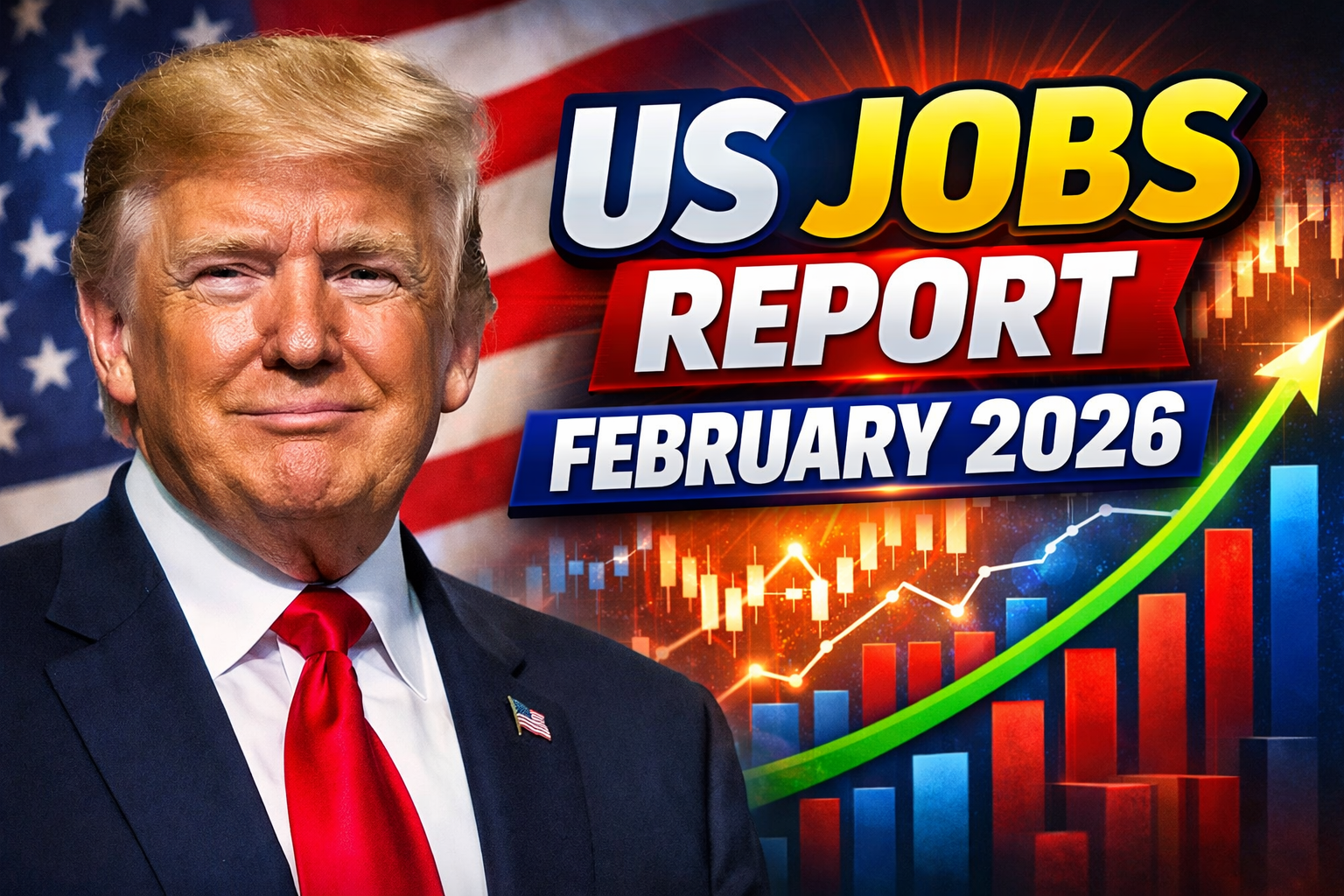
The Bureau of Labor Statistics released its monthly employment snapshot, painting a picture of an economy under strain. This downturn follows a period of relative stability, but external shocks have accelerated the slide into contraction.
February’s data underscores vulnerabilities exposed by aggressive trade policies and escalating military conflicts. Businesses, facing higher input costs and supply chain disruptions, have pulled back on hiring aggressively.
Analysts had braced for slower growth, but the outright decline signals deeper troubles brewing in corporate boardrooms and factory floors nationwide.
Headline Figures and Expectations
Economists forecasted around 60,000 new jobs, a deceleration from prior months, yet reality proved far harsher with a net loss of 92,000 positions. The unemployment rate ticked up from 4.3 percent to 4.4 percent, reflecting more Americans entering the job market only to face rejection.
Downward revisions to December and January added another layer of concern, shaving off tens of thousands from previously reported gains. This adjustment brings the three-month average into negative territory for the first time in years.
| Metric | February Actual | Prior Month | Consensus Forecast |
|---|---|---|---|
| Nonfarm Payrolls | -92,000 | +126,000 (revised) | +60,000 |
| Unemployment Rate | 4.4% | 4.3% | 4.3% |
| Average Workweek | 34.0 hours | 34.1 hours | 34.2 hours |
These numbers highlight a labor market losing momentum rapidly.
Sector Breakdown and Job Losses
Construction led the declines, shedding over 11,000 roles as residential specialty contractors grappled with soaring material prices. Transportation and warehousing followed with 11,000 cuts, hampered by logistics snarls from global disruptions.
Leisure and hospitality, often a resilient sector, lost 27,000 jobs, with restaurants and bars hit hardest by weather woes and reduced consumer spending. Manufacturing continued its slump, dropping 12,000 amid factory slowdowns.
Professional and business services saw modest erosion, while social assistance eked out small gains. Financial activities also posted slight increases, but these were drops in the ocean against widespread losses.
| Sector | Jobs Change | Key Drivers |
|---|---|---|
| Construction | -11,000 | Higher material costs, residential slowdown |
| Transportation/Warehousing | -11,000 | Supply chain issues, port delays |
| Leisure/Hospitality | -27,000 | Weather, cautious spending |
| Manufacturing | -12,000 | Tariffs, reduced orders |
| Social Assistance | +5,000 | Steady demand for services |
This table illustrates the breadth of the downturn across industries.
Impact of Tariffs on Key Industries
President Trump’s renewed tariff regime has reshaped trade flows, but at a steep domestic cost. Imported steel and aluminum duties have inflated construction expenses, stalling housing projects and commercial builds.
Automotive manufacturers face retaliatory measures from trading partners, leading to idle assembly lines and layoffs. Despite promises to revive factories, employment in this space has stagnated or declined monthly since inauguration.
Consumers feel the pinch too, with higher prices for everyday goods curbing discretionary purchases. Small businesses, reliant on affordable imports, report margin squeezes forcing staff reductions.
Tariffs aimed to protect American workers, yet they’ve triggered a hiring freeze as firms reassess profitability amid uncertainty.
Geopolitical Tensions from Iran War
The escalating conflict with Iran has sent shockwaves through energy markets and beyond. Oil prices have surged, amplifying transportation and manufacturing costs while straining household budgets.
Supply routes in the Middle East face interruptions, delaying shipments of critical components and raw materials. Defense spending ramps up, but civilian sectors bear the brunt through diverted resources and investor flight to safety.
Markets reacted swiftly, with stock indices tumbling post-report amid fears of prolonged hostilities. Businesses cite war-related volatility as a top reason for pausing expansion plans.
This external pressure compounds domestic policy challenges, creating a perfect storm for job creators.
Broader Economic Implications
A shrinking workforce risks tipping the economy into recession territory. Consumer confidence, already fragile, could plummet further as layoff notices mount.
Retail sales may soften if unemployment benefits fail to offset lost wages, creating a feedback loop of reduced spending. Corporate earnings warnings are proliferating, signaling profit squeezes ahead.
Yet pockets of resilience persist, with technology and healthcare showing stability. Government spending on infrastructure offers some buffer, though implementation lags.
The report tempers optimism around a soft landing, urging swift policy recalibration.
Labor Force Participation Trends
Participation edged lower, as discouraged workers exit the market amid bleak prospects. Prime-age men saw minimal shifts, but youth unemployment spiked, hitting recent highs.
Long-term unemployment rose, with many exhausting benefits without reentry. Remote work options dwindle as firms demand returns to office, sidelining some demographics.
Women in services faced disproportionate hits from hospitality cuts. Immigrants, key to agriculture and construction, report visa hesitancy amid trade rhetoric.
These trends point to structural shifts beyond cyclical woes.
Wage Growth and Inflation Pressures
Average hourly earnings rose modestly, but adjusted for inflation, real wages stagnate. Nominal gains fail to keep pace with tariff-fueled price hikes.
Benefits costs climb as health insurers pass on premiums amid supply shortages. Workers trading stability for pay bumps find fewer offers.
Inflation ticks up, complicating the Federal Reserve’s calculus. Sticky services prices from labor shortages persist despite overall softening.
Wage pressures could prolong high interest rates if unaddressed.
Federal Reserve Policy Outlook
Jerome Powell’s team faces a dilemma: ease too soon and risk inflation; delay and court downturn. Markets price in scant rate cuts before mid-year.
Tariff pass-through and oil spikes from Iran bolster hawks arguing for patience. Yet job losses tilt doves toward accommodation.
Futures indicate a hold at current levels through spring. Quantitative tightening may slow to support liquidity.
Policymakers monitor data closely, with March deliberations pivotal.
Regional Variations Across States
The Midwest manufacturing belt suffered most, with Rust Belt states like Ohio and Michigan logging steep drops. Energy-dependent Texas saw oil service cuts from war premiums.
Coastal tech hubs like California held firmer, buoyed by software gains. Southern Sun Belt states mixed, with Florida tourism battered by weather.
Rural areas lagged urban centers, exacerbating divides. Federal aid targets hard-hit zones, but distribution delays hinder relief.
| Region | Net Jobs Change | Standout Sector |
|---|---|---|
| Midwest | -35,000 | Manufacturing |
| South | -28,000 | Energy, Hospitality |
| West | -15,000 | Construction |
| Northeast | -14,000 | Transportation |
Disparities demand tailored responses.
Expert Reactions and Forecasts
Wall Street economists slashed growth projections, with some eyeing sub-one percent GDP for the quarter. Goldman Sachs warns of tariff recession risks.
Labor unions decry policy missteps, rallying for stimulus. Chamber of Commerce urges tariff reviews to unlock hiring.
Optimists highlight historical rebounds, betting on American resilience. Pessimists foresee prolonged stagnation without course correction.
Debate rages, but consensus forms around caution.
Path Forward for Recovery
Policymakers must balance protectionism with pragmatism. Targeted retraining programs could redeploy workers from declining sectors.
Diplomatic off-ramps in Iran talks might ease energy woes. Infrastructure acceleration promises jobs in construction.
Businesses seek clarity to resume investing. Households brace for belt-tightening.
Restoring confidence hinges on data-driven decisions amid turbulence. The March report looms large.

Abhinav Jain is a legal researcher and writer passionate about simplifying complex laws for everyday readers. With a keen interest in Indian constitutional, civil, and digital laws, he focuses on creating accessible, well-researched articles that promote legal awareness among students, professionals, and citizens alike.