
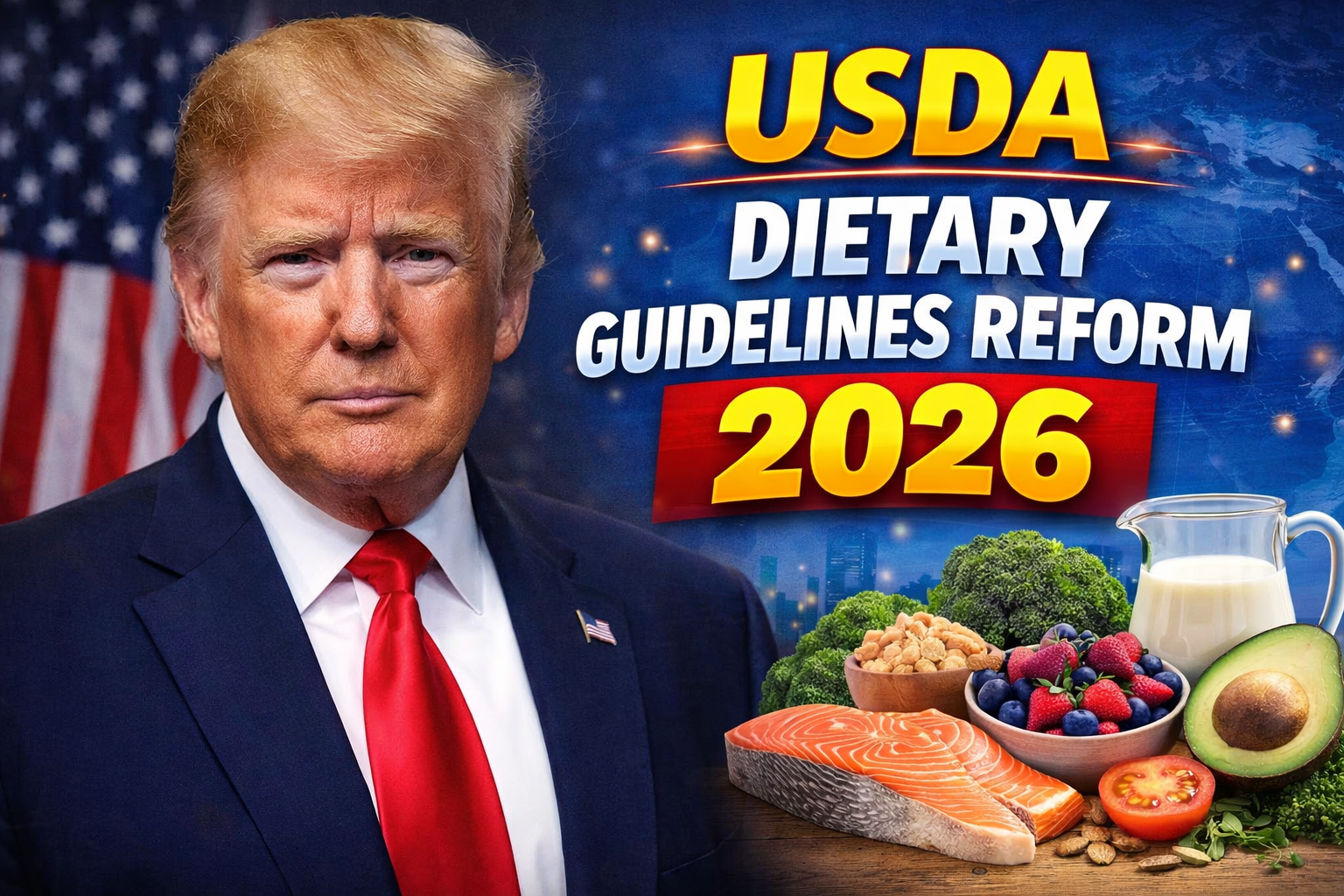
The 2026 overhaul of the USDA Dietary Guidelines marks a seismic shift in federal nutrition policy, driven by Health Secretary Robert F. Kennedy Jr.’s aggressive “Make America Healthy Again” agenda. This reform targets chronic disease epidemics through radical dietary prescriptions, imposing strict SNAP benefit restrictions to enforce compliance and reshape American eating habits.
Introduction
Chronic illnesses like obesity, diabetes, and heart disease afflict over 60% of US adults, costing the economy trillions annually in healthcare burdens. RFK Jr.’s MAHA initiative, launched under President Trump’s second term, promises to reverse this tide by mandating “real food” consumption over processed junk. The 2025-2030 Dietary Guidelines, unveiled in January 2026 by USDA Secretary Brooke Rollins and Kennedy, invert decades of low-fat dogma, elevating proteins, full-fat dairy, and vegetables while demonizing sugars and ultraprocessed items. Central to this revolution are SNAP reforms, barring soda, candy, and refined carbs from the $120 billion program serving 42 million low-income Americans. These changes ripple through schools, military mess halls, and global food trade, igniting debates on personal freedom versus public health imperatives.
Core Elements of the Reformed Guidelines
The new guidelines ditch the familiar MyPlate for an inverted pyramid, crowning meats, cheeses, and vegetables as dietary kings. This visual overhaul symbolizes a return to ancestral eating patterns, prioritizing satiety and nutrient density.
Key Recommendations
Americans should anchor every meal with high-quality protein—think steak, eggs, wild fish—aiming for 1 to 1.6 grams per kilogram of body weight daily. For a 150-pound adult, that means 80 to 110 grams, sourced from grass-fed beef, pasture-raised poultry, or seafood rich in omega-3s. Full-fat dairy gets a glowing endorsement: three daily servings of plain yogurt, cheese, or whole milk, sans added sugars, to combat bone loss and metabolic woes.
Vegetables dominate at three servings per 2,000-calorie diet, favoring leafy greens, cruciferous varieties, and roots over starchy fillers. Fruits cap at two servings, emphasizing whole forms like berries over juices. Healthy fats from avocados, olive oil, nuts, and even beef tallow lubricate the system, while whole grains like quinoa or oats limit to two to four servings, slashing refined carbs.
Highly processed foods, added sugars, and artificial additives face outright limits—under 10% of calories from sugars, ideally zero from sodas. Hydration hinges on water and unsweetened drinks; alcohol gets curtailed for optimal vitality.
| Food Category | Daily Servings (2,000 cal) | Preferred Sources |
|---|---|---|
| Protein | Every meal priority | Meats, eggs, fish, legumes |
| Dairy | 3 | Full-fat, no added sugar |
| Vegetables | 3 | Leafy greens, broccoli |
| Fruits | 2 | Berries, apples whole |
| Grains | 2-4 | Whole, fiber-rich only |
| Fats | Ample | Olive oil, nuts, tallow |
Tailored advice covers life stages: infants start with meat purees over cereals; pregnant women load omega-3s; seniors prioritize protein against sarcopenia.
RFK Jr’s ‘Make America Healthy Again’ Vision
Kennedy’s MAHA crusade frames nutrition as national security, linking poor diets to military recruitment shortfalls and economic drag. He lambasts Big Food lobbyists for corrupting prior guidelines, vowing to purge ultraprocessed poisons from public programs.
Philosophical Underpinnings
“Eat real food” distills MAHA’s ethos—whole, unadulterated items mimicking nature’s bounty. Kennedy spotlights seed oils, high-fructose corn syrup, and emulsifiers as metabolic saboteurs, citing studies linking them to inflammation and gut dysbiosis. His plan mobilizes federal levers: revamping school lunches to ban flavored milks, mandating military meals align with guidelines, and subsidizing regenerative farms producing nutrient-dense crops.
Kennedy champions transparency, demanding food dyes and preservatives face rigorous safety reviews. He pushes Head Start programs toward full-fat dairy, reversing low-fat mandates blamed for childhood obesity spikes. MAHA extends to mental health, positing nutrient deficiencies fuel America’s anxiety epidemic.
Implementation Roadmap
By mid-2026, USDA rolls out compliance tools: apps scanning groceries for guideline alignment, rebates for MAHA-approved staples. Public campaigns flood airwaves with Kennedy’s folksy appeals, partnering influencers to demo steak-and-salad feasts. Private sector buy-in comes via tax incentives for compliant manufacturers, pressuring Kellogg’s and PepsiCo to reformulate.
SNAP Restrictions: The Enforcement Hammer
SNAP, the Supplemental Nutrition Assistance Program, becomes MAHA’s frontline battleground. Starting July 2026, beneficiaries lose eligibility for soda, candy, chips, and energy drinks—categories gobbling 20% of current spending.
Restriction Details
Banned items span ultraprocessed fare: any product over 10% added sugars, artificial colors, or refined flours gets delisted. EBT cards reject checkout for Pepsi, Skittles, or frozen pizzas, redirecting dollars to ground beef, broccoli, and raw cheese. Exemptions cover minimal staples like unflavored oats or canned tuna, but frozen meals face strict scrutiny.
States pilot “healthy cart” incentives: bonus credits for hitting protein and veggie quotas. Noncompliance triggers tiered penalties—first offense warnings, repeaters face benefit cuts. USDA projects $15 billion annual savings, funneled to farmer subsidies for affordable real food.
| Restricted Category | Examples | Rationale |
|---|---|---|
| Sugary Drinks | Soda, energy drinks | Metabolic havoc, empty calories |
| Candy & Sweets | Chocolate bars, gummies | Addiction drivers, dental decay |
| Ultraprocessed Snacks | Chips, cookies | Trans fats, gut disruptors |
| Refined Baked Goods | White bread, pastries | Blood sugar spikes |
Projected Impacts
SNAP households, averaging $250 monthly benefits, shift toward bulk buys of eggs and cabbage, potentially slashing obesity rates 15% in five years per models. Critics decry paternalism, warning food deserts exacerbate access woes, but Kennedy counters with mobile markets and farm co-ops.
Criticisms and Scientific Debates
Not all experts salute. Harvard nutritionists flag the red meat push, warning saturated fats hike LDL cholesterol risks despite protein perks. Plant-based advocates lament dairy dominance, ignoring lactose intolerance in 65% of adults. Pediatricians fret over kid-friendly transitions, as fruit pouches join the ban.
Industry howls loudest: beverage giants lobby fiercely, projecting 50,000 job losses. Yet American Medical Association endorses the anti-sugar thrust, crediting it for curbing diabetes precursors. Longitudinal data bolsters MAHA—populations eating this way show 30% lower chronic disease incidence.
| Stakeholder View | Support Level | Key Concern |
|---|---|---|
| Medical Groups | High | Saturated fat emphasis |
| Nutritionists | Mixed | Whole foods win, meat overload |
| Food Industry | Low | Revenue hits from bans |
| Public Health | High | Obesity reversal potential |
Economic and Agricultural Ripple Effects
Reform supercharges US agriculture: beef demand surges 25%, buoying ranchers in Texas and Kansas. Dairy farms pivot to full-fat lines, while vegetable acres expand via USDA grants. Processed food giants scramble—PepsiCo sheds divisions, General Mills bets on organic.
Globally, Brazil’s soy exporters eye US whole-grain voids; New Zealand lamb gains entrée. Taxpayers save billions in Medicaid, offsetting SNAP tweaks. Rural economies boom as regenerative practices—rotational grazing, no-till—earn premium credits.
Rollout Timeline and Challenges
January 2026 launches guidelines; SNAP phase-in spans six months, with full enforcement by 2027. School meals align by fall, WIC rebates prioritize proteins. Hurdles loom: lawsuits from soda lobbyists, supply chain snarls for grass-fed beef.
Kennedy’s bully pulpit counters resistance, rallying moms and veterans weary of kid-sized epidemics. Success metrics track BMI drops, diabetes diagnoses, via annual HHS reports.
Broader Societal Transformation
MAHA redefines wellness culture, spawning “real food” aisles in Walmarts and CrossFit meal preps. Celebrities like Joe Rogan amplify, while TikTok erupts in tallow-cooking hacks. Mental clarity anecdotes proliferate—users report sharper focus sans sugar fog.
Equity gaps narrow as SNAP upgrades inner-city access, though cultural shifts lag in immigrant communities wedded to rice-heavy diets. Long-term, expect insurance premiums dip, productivity soar, military readiness peak.
Future Outlook
By 2030, MAHA aims for halved obesity rates, cementing Trump-era legacy. Success hinges on sustained funding, bipartisan buy-in post-midterms. If SNAP adherence hits 80%, chronic disease spending plummets, freeing budgets for innovation.
Kennedy’s gambit—bold, unapologetic—challenges complacency, betting Americans crave health over convenience. As plates fill with steak and kale, the nation edges toward vitality, proving policy can conquer the fork.

Abhinav Jain is a legal researcher and writer passionate about simplifying complex laws for everyday readers. With a keen interest in Indian constitutional, civil, and digital laws, he focuses on creating accessible, well-researched articles that promote legal awareness among students, professionals, and citizens alike.